

In our Care Home, meals are a crucial aspect of daily life, contributing not only to the physical health of residents but also to their overall well-being and quality of life. The provision of breakfast, noon (lunch), and dinner involves more than just serving food; it requires thoughtful planning, nutritional balance, and a consideration of individual preferences and dietary restrictions. This Menu Page elaborates on the importance of meals, the standards for quality.In our care home, the quality and importance of meals cannot be overstated. Nutritious, well-balanced meals are vital for maintaining the health and well-being of residents. These meals provide essential nutrients that support physical health, boost immunity, and promote cognitive function.
Moreover, mealtime offers a significant social opportunity, fostering a sense of community and improving mental health through social interaction. Ensuring meals are both nutritious and enjoyable, enhances resident’s quality of life, demonstrating the care home’s commitment to their overall welfare. Thus, prioritizing high-quality meals is a fundamental aspect of exemplary care in these settings.
Breakfast meals: The Start of a Good Day
Importance of Breakfast
Breakfast is often considered the most important meal of the day, and this is particularly true in a care home setting. A nutritious breakfast helps to kick-start the metabolism, provides energy for the morning activities, and can significantly impact mood and cognitive function. For elderly residents, a well-balanced breakfast can also aid in managing chronic conditions such as diabetes and hypertension.
Menu of our Quality Breakfast:
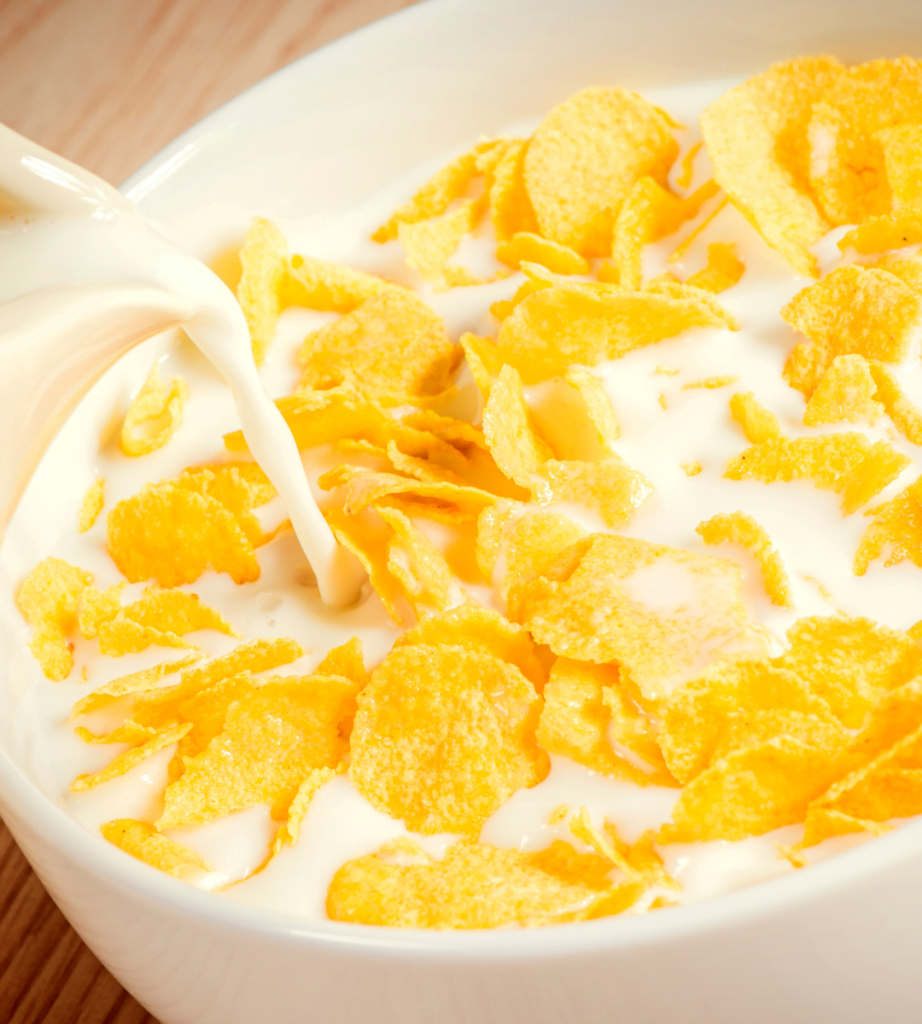
Corn flakes
Oats

Fruit and nut cornflakes
Fruit and fibre flakes
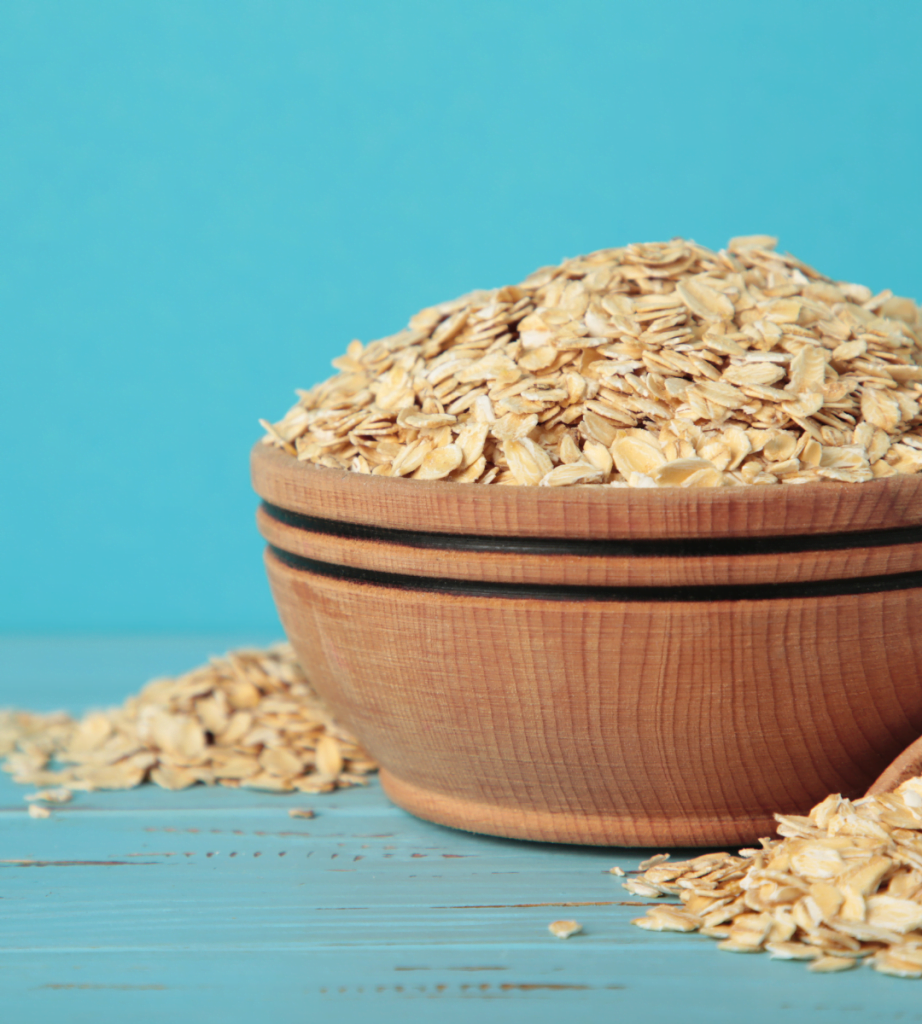
Brown flakes
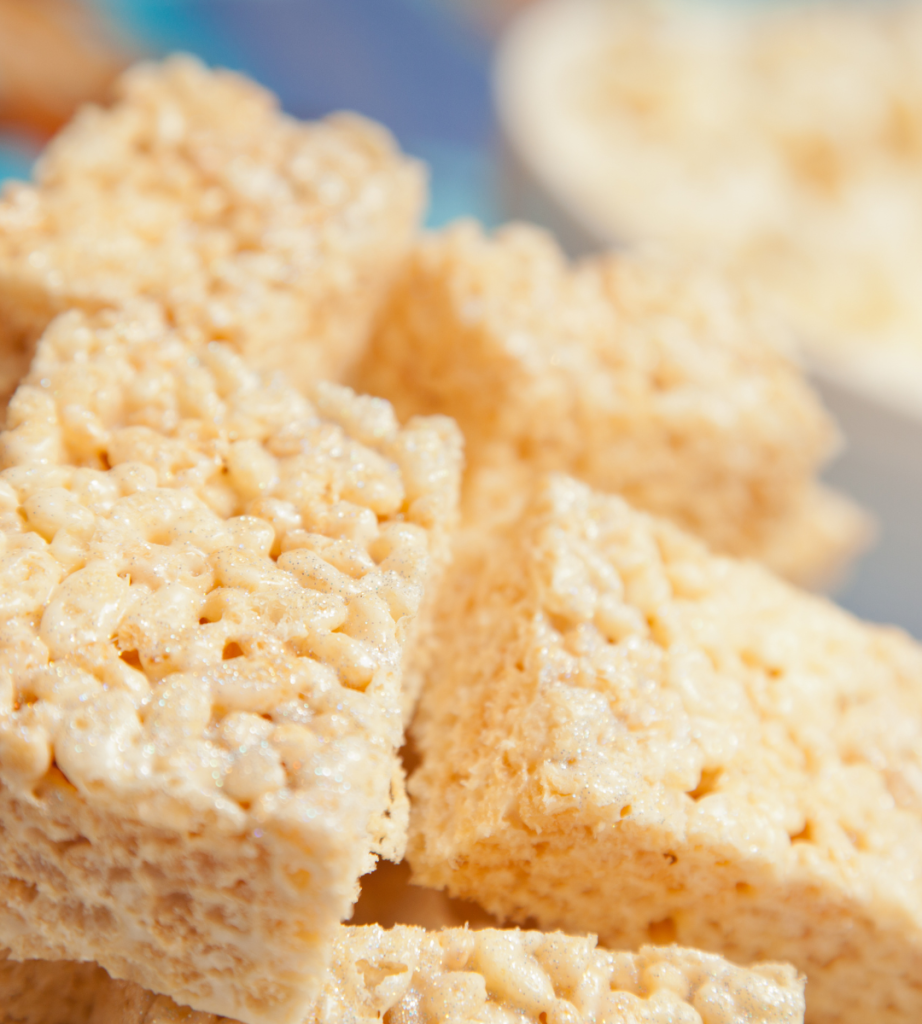
Rice Krispies
Porridge
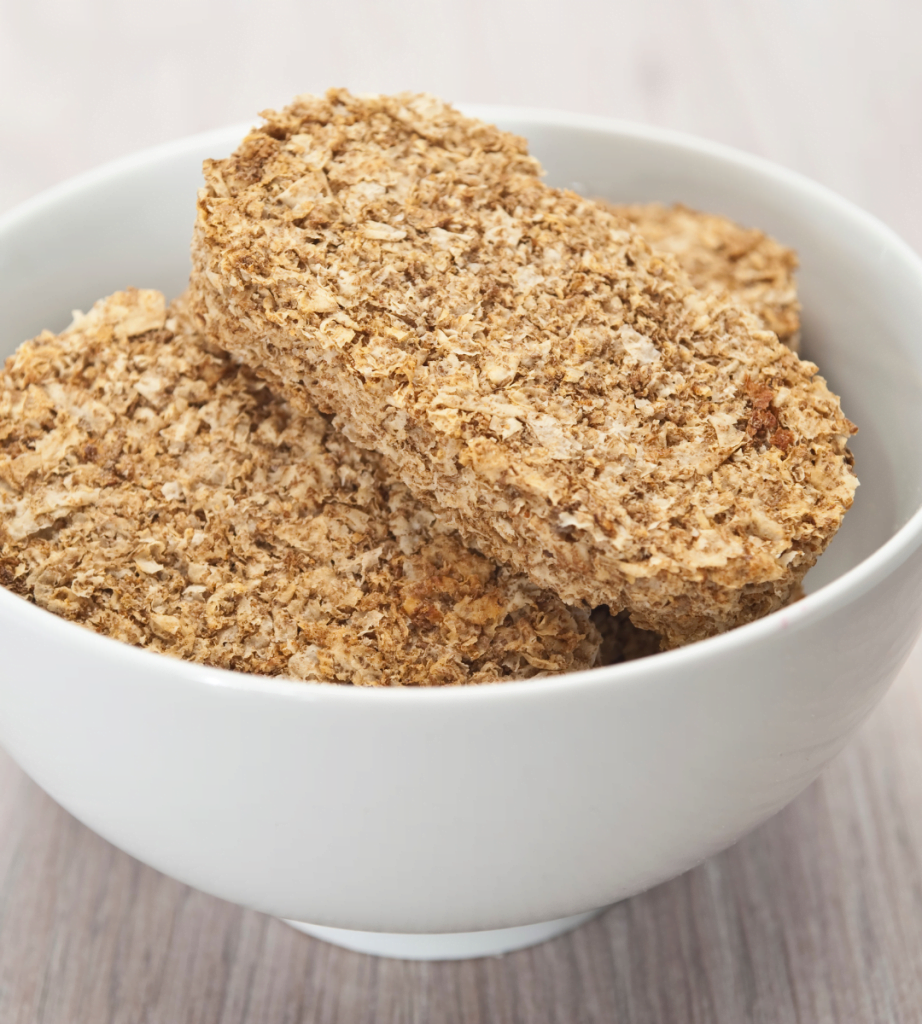
Shredded wheat
Toast
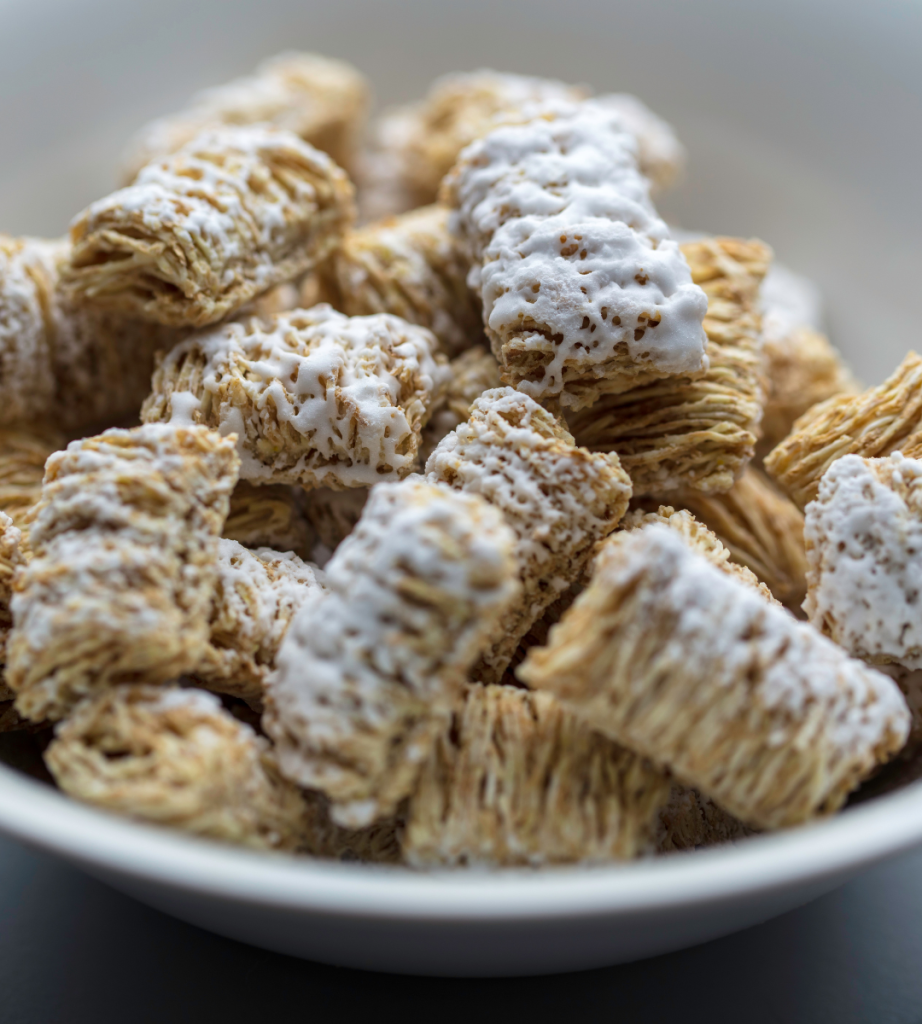
Weetabix
Noon Menu: Sustaining Energy and Nutrition
Importance of the Noon Meals
The noon meal, or lunch, is vital for maintaining energy levels throughout the day. It serves as an opportunity to provide a substantial portion of the daily nutritional intake, particularly in terms of vegetables, proteins, and whole grains. For many residents, lunch is the main meal of the day and should be given special attention.
.
Shepherds Pie
Steak pie
Cottage pie
Fisherman’s pie
Beef pie
Chicken pie
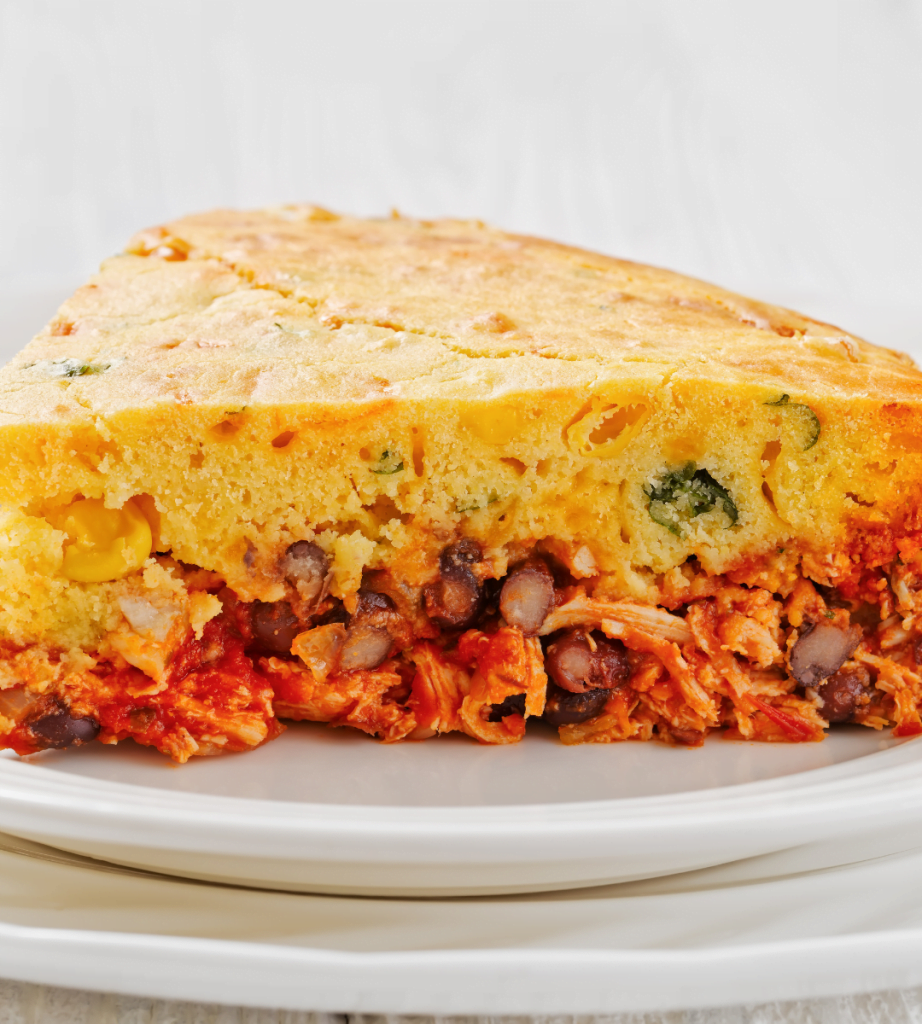


English breakfast

Veg dinner

Chicken dinner
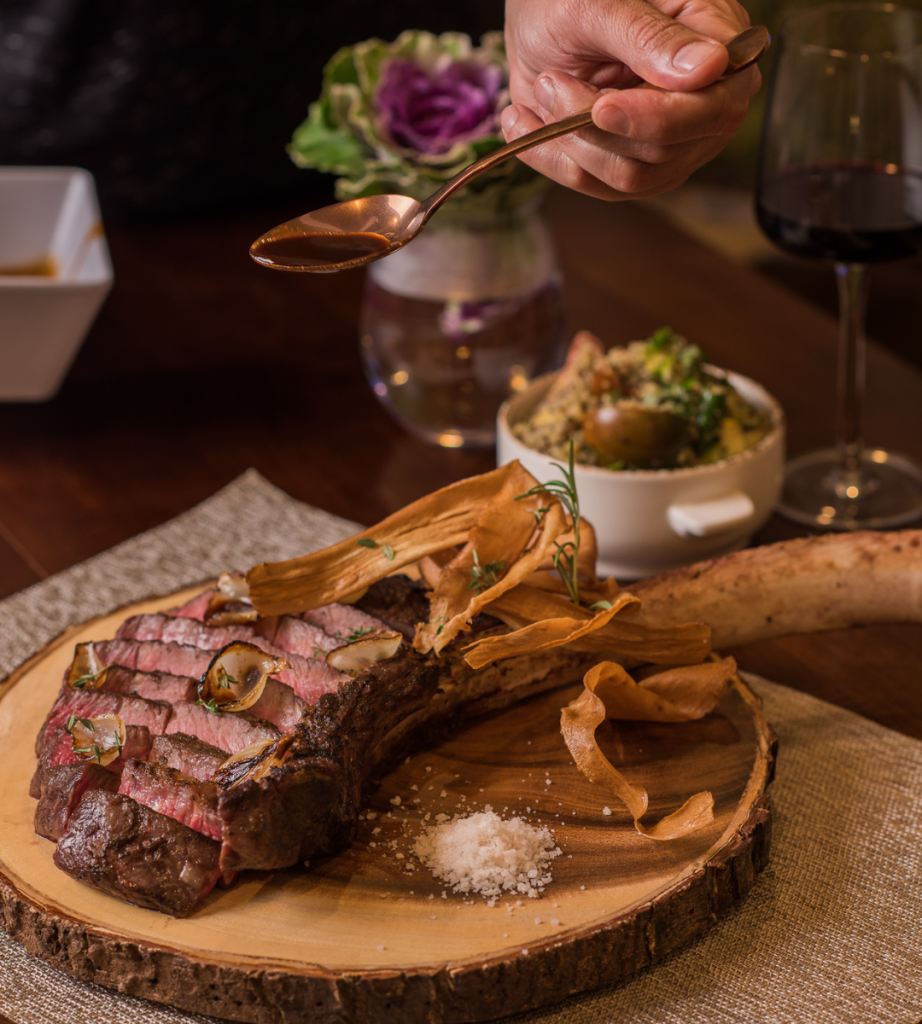
Beef dinner

Lamb dinner
.
.
.
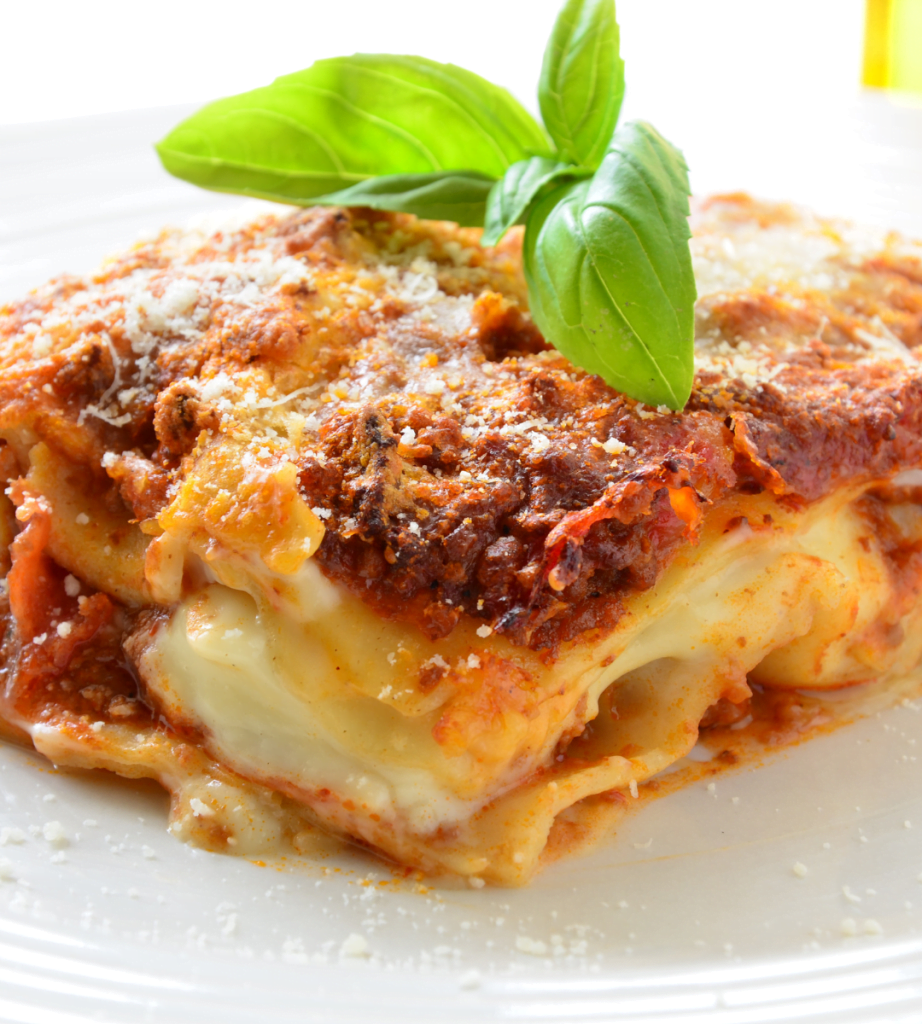
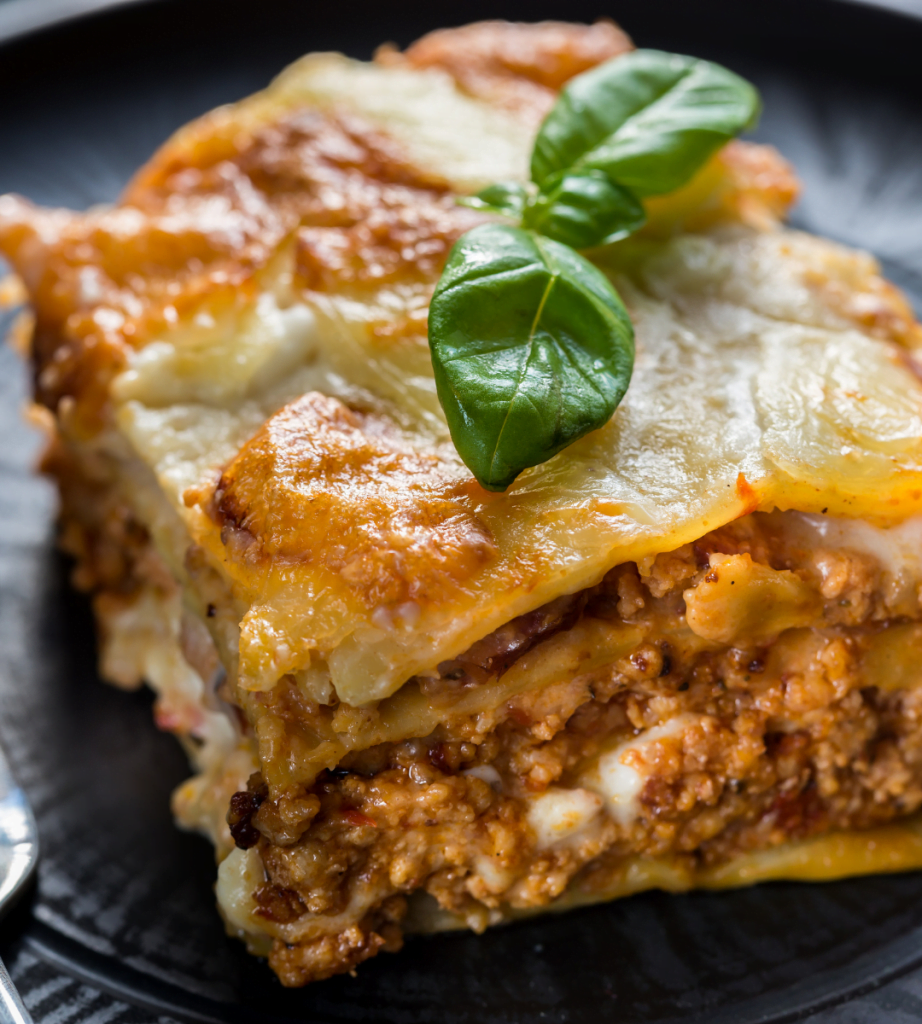
Lasagne
.
.

Pork chops with mashed potatoes and veg

Roast beef and veg
Beef grill with veg

Roast chicken
Hubters chicken with veg and mushy peas

Fish cake

Sea food and chips

Fish fingers and chips
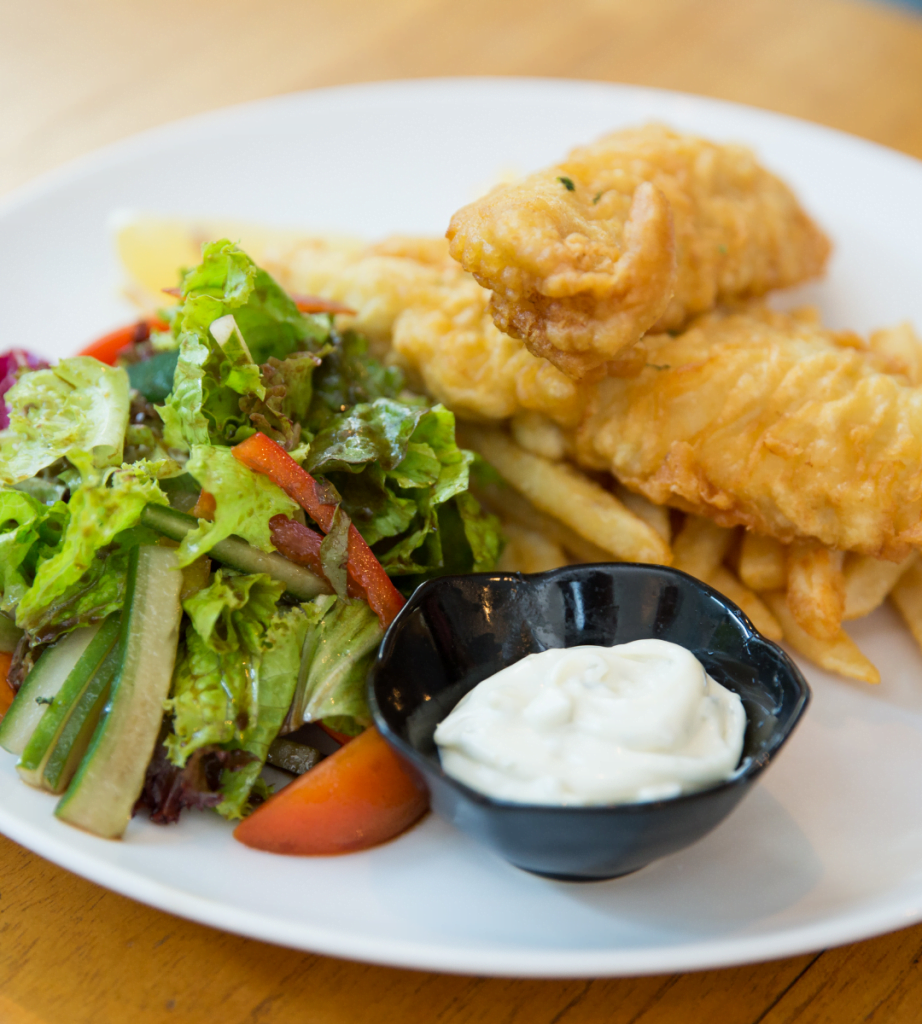
Salad and chips
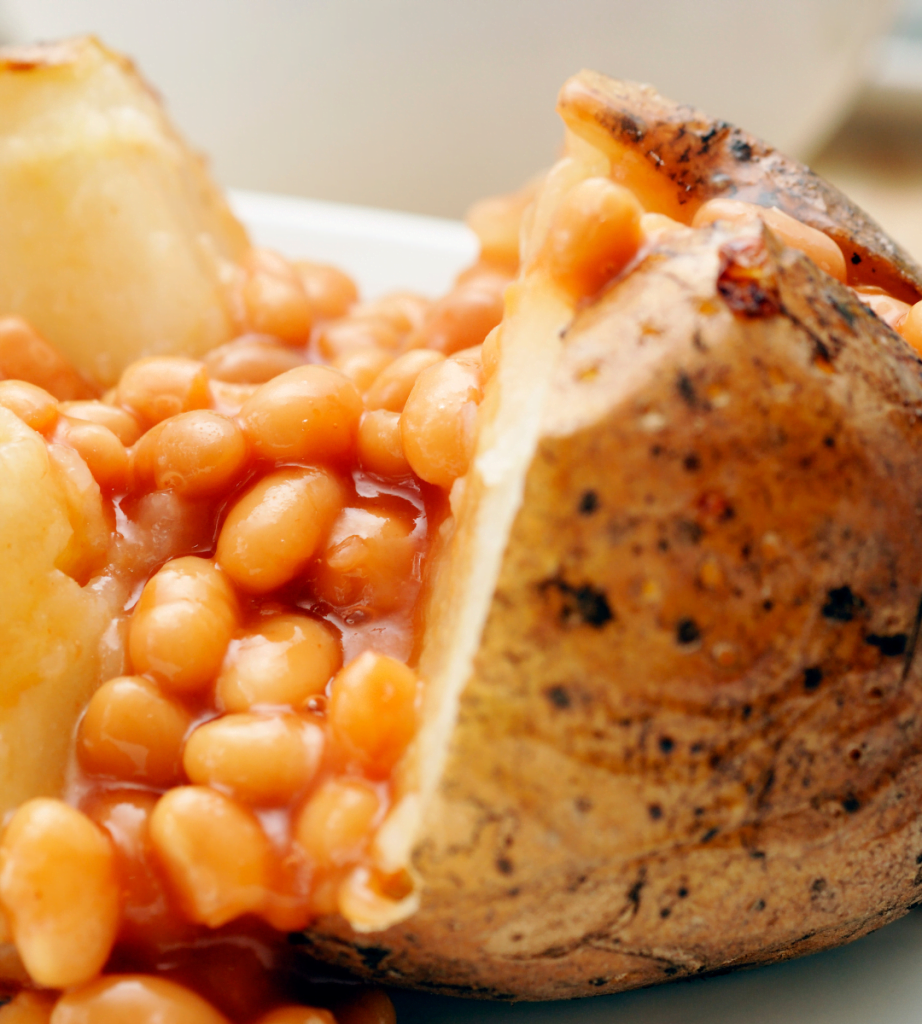
Jacket potatoes
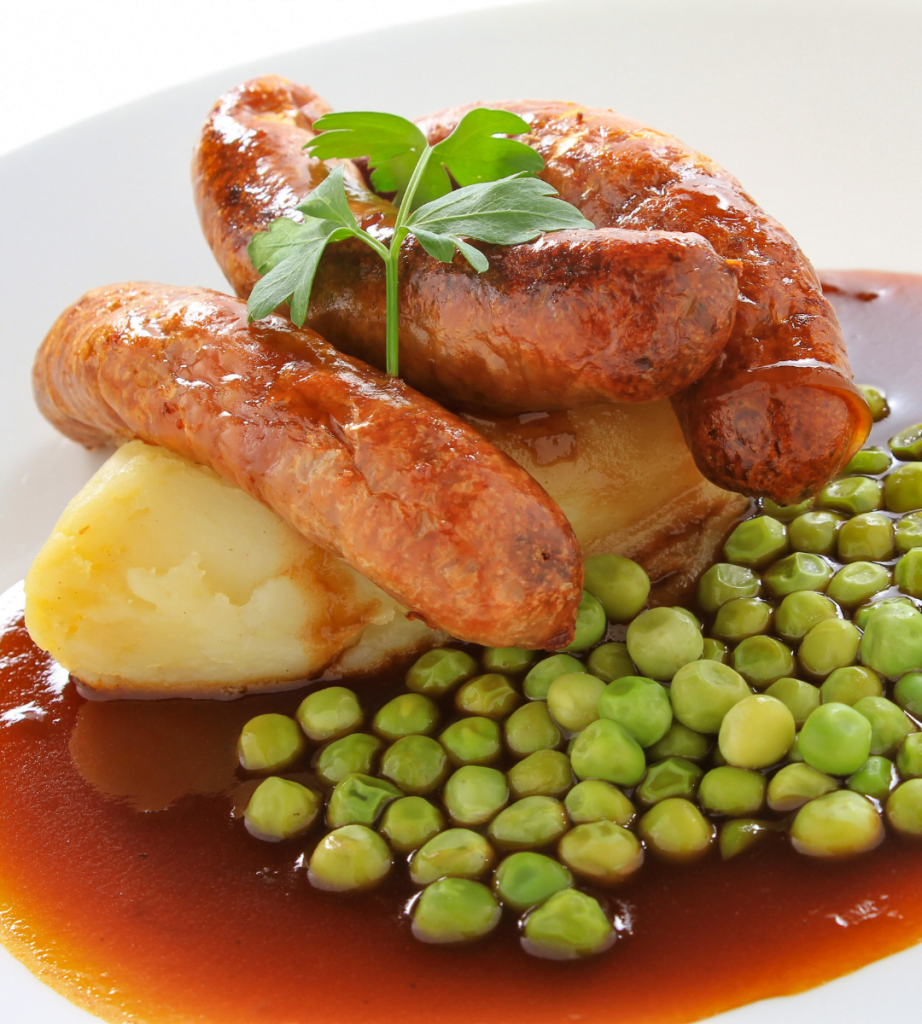
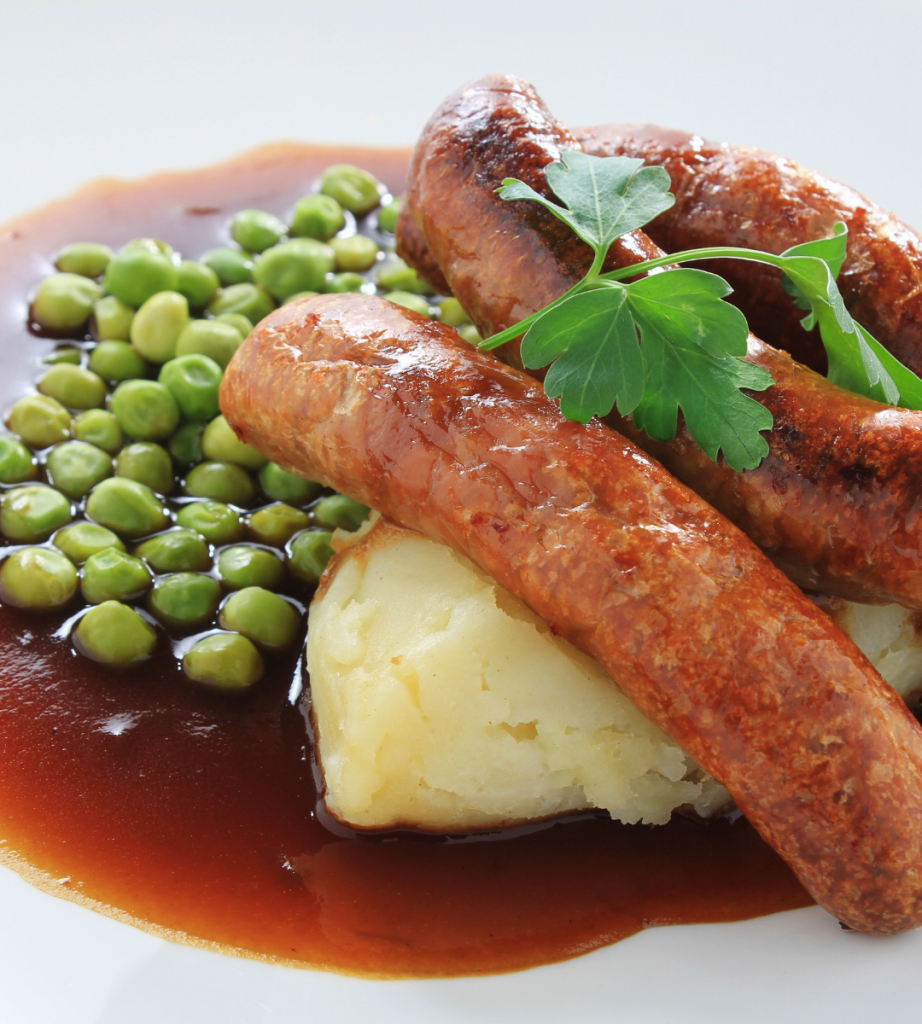
Sausage and mash potatoes
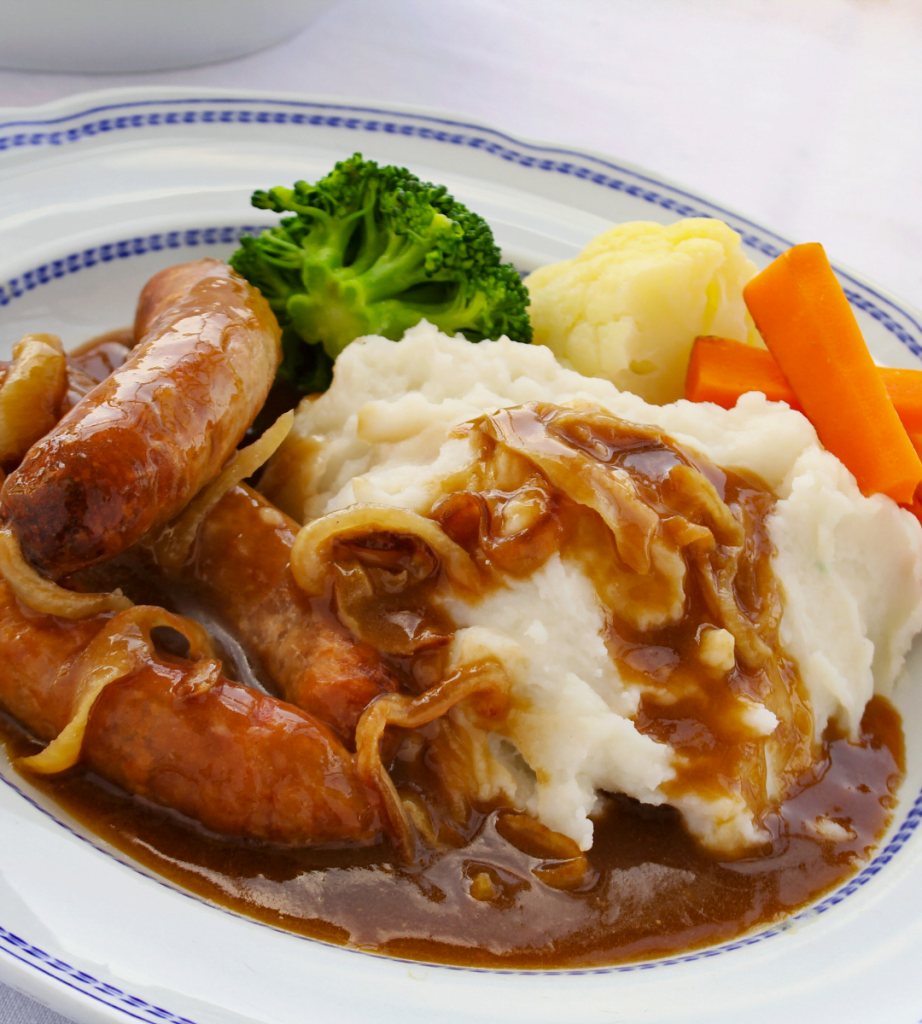
Sausage and vegetables
Dinner meals: End-of-Day Nourishment
Importance of Dinner
Dinner serves as the final meal of the day, providing an opportunity to wind down and relax. It should be lighter than lunch but still nutritious, ensuring that residents go to bed feeling satisfied but not overly full.
.
An ideal dinner in our care home include:

Chicken nuggets and chips

Chicken dippers and chips

Scrambled egg and toast


Bacon, egg and tomatoes

.
Pizza
.

Quiche with salad

Spam fritters
.
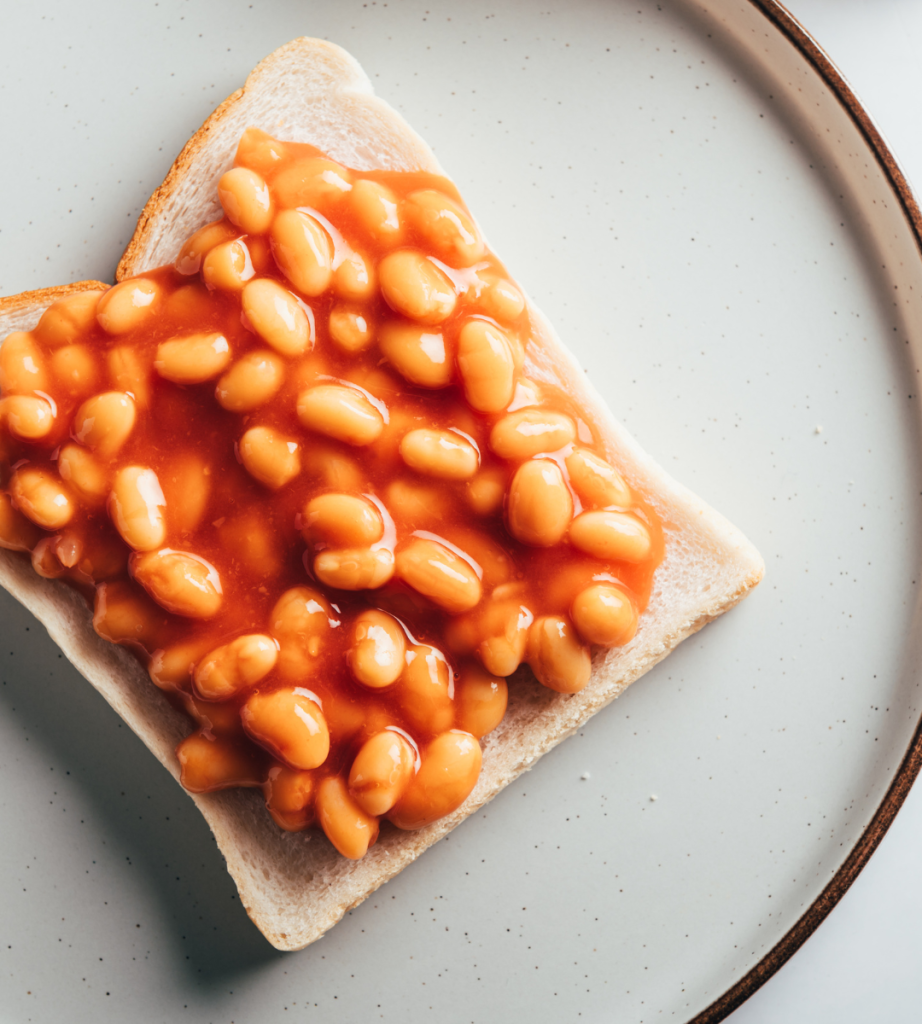
Beans on toast
.
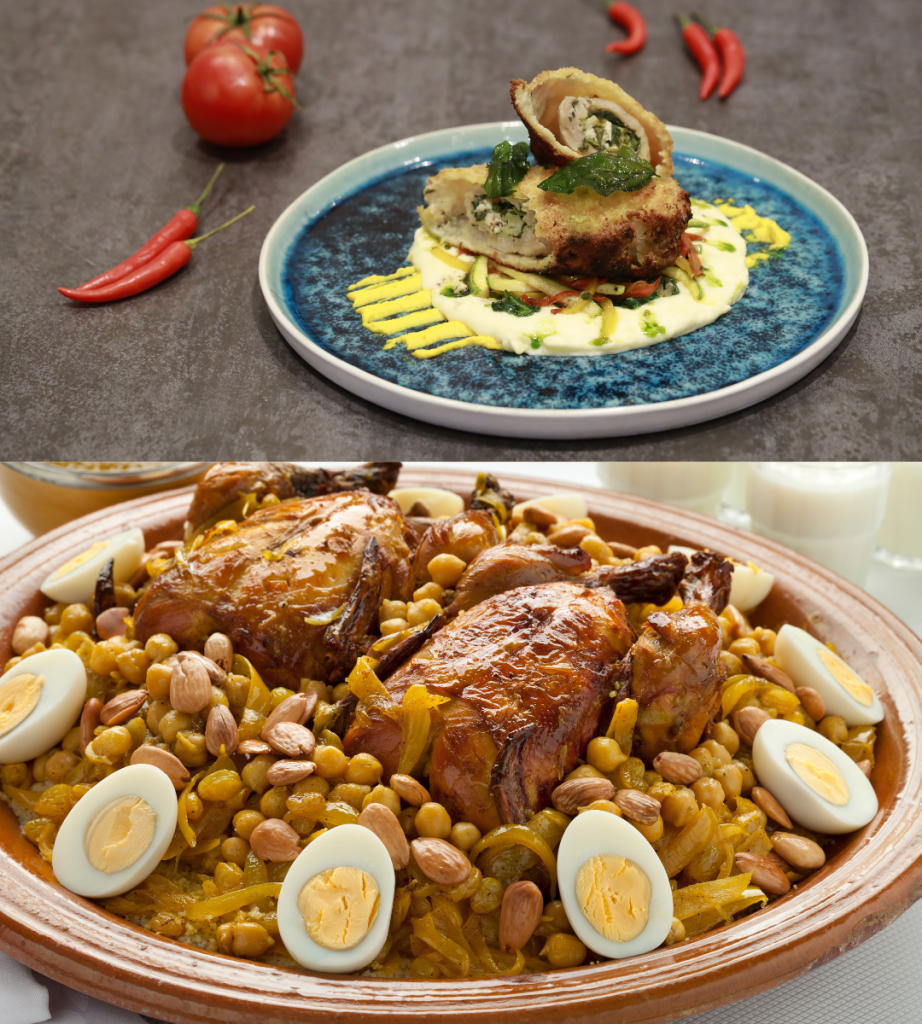
chicken Kiev and beans

Hash browns egg and beans

Veg, Chicken, French Onion, Mushroom, Parsley, Beef, Tomato soups
Sandwich Menu:

Beef
Ham
Corned beef
Meat paste
Chicken
Turkey
Egg
Spam
Cheese
Tuna
The atmosphere during dinner should be calm and inviting. Soft lighting, comfortable seating, and a pleasant dining environment can make a significant difference in the dining experience. Encouraging residents to socialise can also enhance the mealtime experience, promoting a sense of community and belonging.
Ensuring Quality and Hygiene
Food Safety Standards
In our care home, we assure safety and hygiene and are of paramount importance. Proper storage, preparation, and serving of food must adhere to strict guidelines to prevent food-borne illnesses. Staffs are trained in food safety practices, including proper handwashing, cross-contamination prevention, and safe cooking temperatures.
Meals in our care home are more than just nourishment; they are a cornerstone of health, comfort, and social interaction. By providing high-quality, balanced, and enjoyable meals for breakfast, noon, and dinner, we can significantly enhance the quality of life of the residents. Attention to nutrition, personalisation, and the dining environment are key factors in creating a positive and fulfilling mealtime experience which we are very imminent.