In the rhythm of life, music has always been a universal language, bridging gaps and uplifting spirits. In the serene setting of our care home, we’ve discovered that music goes beyond entertainment it becomes a source of healing, connection and empowerment for our residents.
This blog explore the profound impact of music therapy, the science that underscores its effectiveness, and how it has become an integral part of our residents’ lives, enriching their days and fostering meaningful moments.
Understanding Music Therapy
Music therapy is a therapeutic approach that uses music to address individual needs and improve well being. It is conducted by trained professionals who employ techniques such as singing, playing instruments, listening to music and song writing to achieve therapeutic goals. The key objectives of music therapy are;
- Enhance emotional well-being
- Stimulate cognitive functions
- Improve social interactions
- Reduce stress and anxiety
- Support physical rehabilitation
For older adults, especially those in care homes, music therapy can be life-changing. It is inclusive, non-invasive and tailored to individual preferences and needs.
The Science Behind Music Therapy
The human brain has a unique connection with music. Studies have shown that music activates multiple areas of the brain, including those linked to memory, emotions and motor control. Here’s how music therapy works:
EMOTIONAL REGULATION: Music has the power to evoke memories and emotions, offering an outlet for expression and helping residents manage feelings of sadness, loneliness or anxiety.
COGNITIVE STIMULATION: For individuals with dementia or Alzheimer’s, music can trigger memories and improve focus. Familiar tunes often stimulate recollection of events or people, creating a sense of continuity and identity.
PHYSICAL BENEFITS: Rhythmic music encourages movement, aiding in physical rehabilitation. Activities such as clapping, tapping or dancing to music improve motor skills and coordination.
SOCIAL CONNECTION: Group music sessions foster a sense of belonging and community, reducing feelings of isolation.
Benefits of Music Therapy in Care Homes
IMPROVED MOOD AND EMOTIONAL WELL BEING: Music therapy provides a safe space for residents to express emotions. Residents often feel happier and more relaxed after sessions, which contributes to an overall positive atmosphere in the care home.
ENHANCED MEMORY AND COGNITIVE FUNCTION: Familiar songs can unlock long-forgotten memories, particularly for those with dementia. Music therapy helps maintain cognitive abilities and delays the progression of memory loss.
REDUCED STRESS AND ANXIETY: Listening to calming music reduces cortisol levels, helping residents feel at ease. This is especially beneficial for those experiencing anxiety or agitation.
BETTER PHYSICAL MOBILITY: Music therapy encourages gentle physical activity, such as dancing or stretching. These movements enhance flexibility, strength, and balance, reducing the risk of falls.
STRENGHTHENED SOCIAL BONDS: Group sessions bring residents together, promoting interaction and creating a shared sense of joy. Singing or playing instruments collaboratively builds camaraderie.
PAIN MANAGEMENT: Music acts as a natural pain reliever by distracting the mind and releasing endorphins. Residents dealing with chronic pain or recovering from surgery benefit greatly from therapeutic music sessions.
MUSIC THERAPY IN ACTION
At our care home, we’ve seamlessly integrated music therapy into daily life. Here’s how we ensure it’s accessible, engaging and impactful:
PERSONALISED PLAYLISTS: Each resident has unique musical preferences. We create personalised playlists featuring their favourite songs, ensuring the therapy resonates on an individual level.
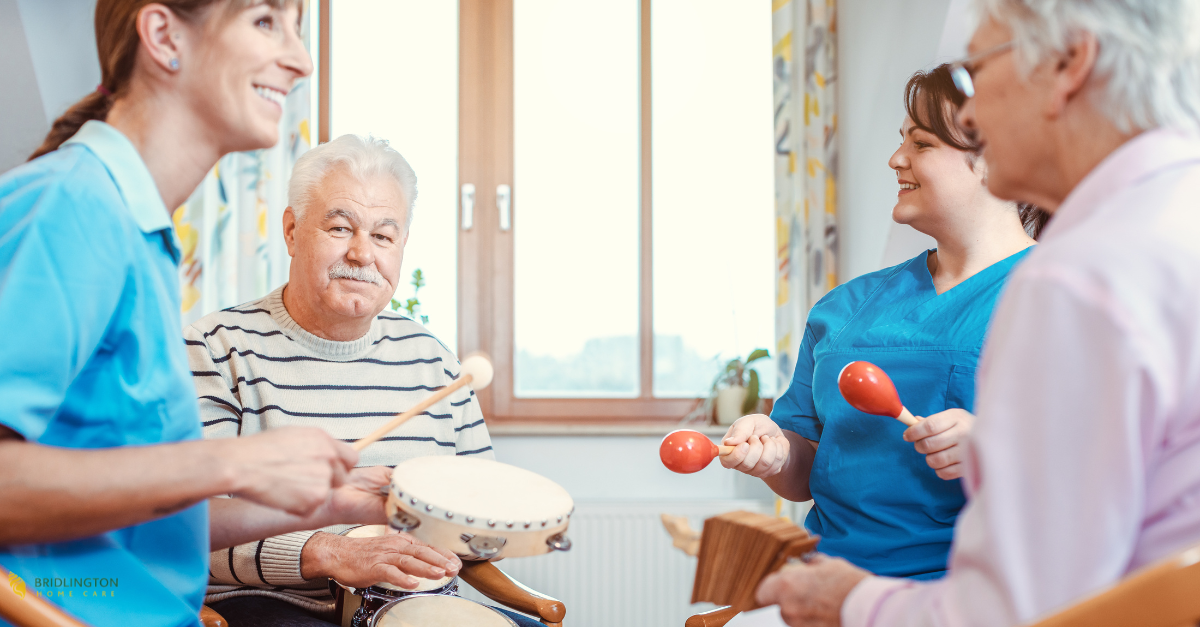
GROUP MUSIC SESSIONS: Residents come together for group activities like singing, drumming or karaoke. These sessions not only entertain but also promote social interaction and teamwork.
LIVE PERFORMANCES: Local musicians and volunteers often visit to perform for residents. These live performances provide a vibrant and immersive experience.
MUSIC AND MOVEMENT: Combining music with physical exercises, such as rhythmic dancing or gentle stretches, enhances both physical and mental health.
REMINISCENCE THERAPY: For residents with dementia, we use music from their younger years to evoke positive memories. This approach fosters a sense of identity and continuity.
RELAXATION SESSIONS: Soothing instrumental music is played during relaxation or meditation sessions, helping residents unwind and reduce stress.
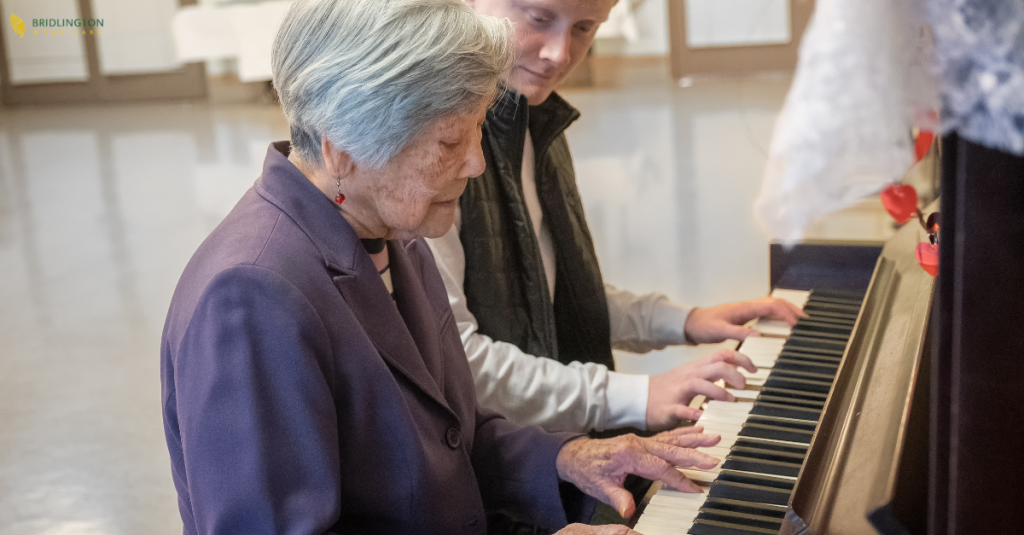
Music therapy is more than just an activity it’s a lifeline that brings joy, healing and connection to older adults in care homes. Whether it’s unlocking memories, easing pain or simply creating moments of happiness, the power of music is undeniable.
At our care home, we’re proud to harness this power, transforming lives one note at a time. If you’re looking for a care home that prioritises holistic well-being, visit us and discover how we’re making a difference through music therapy.