
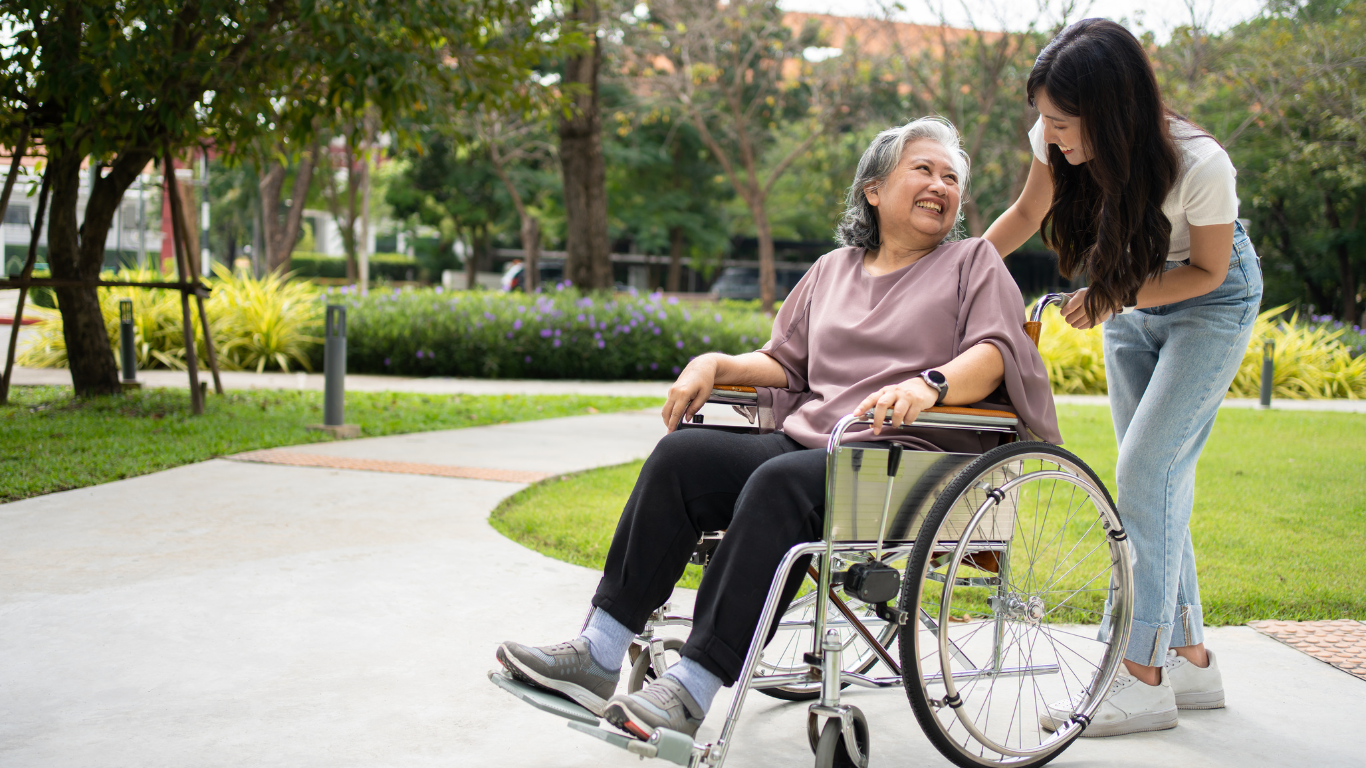
Loneliness felt by elderly is a increasing problem in Uk that is often left unnoticed .Over 2 million people in England aged 75 and above live alone. Additionally, more than a million older people report going over a month without speaking to a friend, neighbour, or family member.
What is Loneliness In Elderly
Loneliness in the elderly is the feeling of being isolated, disconnected without meaningful social relationships. It’s not just about being alone, but about feeling a lack of companionship, support, or purpose in their life
Elderly experience loneliness when meaningful social connections are lost or diminished. It is caused by factors such a deceased spouse, reduced mobility, or limited access to social activities. Many older adults get isolated due physical health problems, which restrict their ability to leave the house or engage in community events. Social relationships get weakened by the passing of friends, and loneliness is also increased by the difficulty older people face in using modern technology to stay in touch with family or friends.
Loneliness In Elderly Effect on health
Loneliness in the elderly significantly affect both their physical and mental health. Mental health conditions, such depression and anxiety, is increased when prolonged loneliness is experienced. Social isolation contribute to feelings of sadness and hopelessness, which can impair emotional well-being.
Physically, the immune system weakened, making individuals more susceptible to illness. The stress caused by loneliness has linked to higher blood pressure and increased risk of cardiovascular diseases. Additionally, the risk of cognitive decline, including dementia, heightened when regular social interaction is absent.
In many cases, the lack of social support leads to reduced physical activity, which, in turn, worsens overall health. This negative cycle is difficult to break unless an deliberate efforts made to intervene and provide the elderly with social connections and emotional support.
How to help them: Loneliness In Elderly
Helping elderly individuals recover from loneliness involves a combination of emotional support, social engagement, and practical interventions. Here are several ways to assist in the recovery from loneliness:

1. Encourage Social Interaction
- Regular Visits: Family and friends should make an effort to visit regularly, even if it’s just for a short period. This can help reduce feelings of isolation.
- Group Activities: Encourage participation in local senior centers, clubs, or hobby groups. These settings provide opportunities for socialization, even for those with mobility issues.
- Volunteer Programs: Volunteering can give a sense of purpose and connection. It provides a way to interact with others while contributing to the community.
2. Utilize Technology
- Teach How to Use Digital Tools: Introduce elderly to video calling, social media, or messaging apps, which allow them to maintain contact with family and friends.
- Online Communities: Suggest joining online groups or forums that focus on shared interests or hobbies. Virtual events, classes, or support groups can help combat loneliness.
3. Promote Physical Activity
- Exercise Classes: participation in gentle exercise classes like yoga or walking groups, which are specifically tailored for elderly individuals.
- Physical Mobility: Assist with mobility aids and support for those with physical limitations to get out of the house and into the community.
4. Provide Mental Health Support
- Therapy and Counseling: Professional support from therapists or counselors can help elderly individuals deal with feelings of sadness and depression
- Cognitive Activities: Engaging in activities like puzzles, reading, or memory games can help maintain cognitive health and its a opportunities for social interaction.
- Resilience Training: Programs that teach coping skills and emotional resilience can help elderly individuals navigate the challenges of aging and loneliness.
5. Assist with Access to Community Services
- Social Services and Support Networks: Help them connect with local support services that provide companionship, such as befriending services, meal delivery programs, or senior transportation services.
- Home Care Services: A caregiver can provide companionship and help with daily activities, ensuring the elderly person does not feel alone or unsupported.
6. Create Opportunities for Purposeful Engagement
- Pet Therapy: Interaction with pets has shown to reduce feelings of loneliness. Bringing pets or encouraging elderly individuals to adopt pets (if feasible) can provide emotional comfort and companionship.
- Creative Outlets: Encourage hobbies like painting, knitting, or gardening. Having a creative outlet can promote emotional expression and engagement with the world around them.
7. Build Stronger Family and Social Connections
- Family Involvement: Families should encouraged to remain involved in the elderly person’s life offering regular contact, shared meals, and outings.
- Community Support: Involve neighbors and community groups in building a support network for the elderly person, encouraging them to invite the person to social events or outings.
Loneliness In Elderly : Role of bridlington manor
Care homes play a crucial role in helping elderly individuals recover from loneliness by fostering a supportive and interactive environment. First, by organizing regular social activities like games, arts and crafts, and movie nights, care homes provide opportunities for residents to engage with others and form connections. Shared meals and celebrations for birthdays or holidays further promote social interaction and create a sense of community.
Staff members also offer valuable emotional support by spending time with residents, providing one-on-one companionship, and checking in regularly on their well-being. Some care homes implement befriending programs where volunteers or other residents paired those who feel offering much-needed companionship.
Facilitating family visits is another way care homes reduce loneliness. Providing comfortable spaces for loved ones to visit and encouraging family involvement in activities helps residents maintain important personal relationships. Additionally, many care homes now provide access to technology, enabling residents to video call family and friends, or participate in virtual events, which is especially important for those with limited mobility.
Promoting physical activity through exercise classes and outdoor activities, such as gardening or walking, also combats loneliness while improving physical health. Care homes can also introduce intergenerational programs that connect residents with younger generations, fostering new friendships and reducing social isolation.
Ultimately by offering personalized care, social opportunities, and emotional support, care homes help elderly individuals feel valued, connected, and less isolated, contributing to their overall recovery from loneliness.
People also read : Loss of appetaite in elderly