

Alzheimer’s is the most common type of dementia. It is an comprehensive term that refers to a range of symptoms affecting cognitive ablities, while alzheimer’s is a kind of dementia characterized by progressive memory loss and cognitiv decline. This is a progressive disease starts with mild memory loss which possibly into loss of ability to carry on a conversation and response to the environment. It is a neurological disorder that affects millions of people worldwide. Dementia and alzheimer’s diseases leads to gradually impairing memory, cognitive abilities and daily functioning.
Understanding Dementia and Alzheimer’s diseases is crucial for providing effective care and support to those affected. Dementia and Alzheimer’s diseases are degenerative brain disorders characterized by the gradual deterioration of memory, thinking, behaviour and the ability to perform everyday activities. Dr. Alois Alzheimer, who first described the condition in 1906 after observing changes in the brain tissue of a woman who had died of an unusu daily functioningal mental illness. This blog will cover the basics of Dementia and Alzheimer’s diseases, its symptoms, causes, stages and available treatments.
SYMPTOMS OF DEMENTIA AND ALZHEIMER’S
Alzheimer’s symptoms vary from person to person and worsen over time. The early sign of Alzheimer’s can be mistaken for normal aging health issues. But gradually these symptoms becomes more severe. Understanding the common symptoms of Alzheimer’s is crucial for early detection and effective management, helping to improve the quality of life for those affected by this challenging condition.

MEMORY LOSS: Memory loss is a major symptom of Alzheimer’s, difficulty remembering recent events, names or important dates. Repeating the same questions etc should be noted.
COGNITIVE DECLINE: People may affected with problem-solving, planning and decision-making. Difficulty following familiar tasks and routines.
DISORIENTATION: One of the common symptom is disorientation people lost in time and place. Getting lost in familiar settings.
LANGUAGE PROBLEMS: Alzheimer’s affect in trouble in finding the right words, following conversations or understanding written and spoken language.
BEHAVIORAL CHANGES: Increased irritability, anxiety, depression or mood swings and withdrawal from social activities may be a symptom of Alzheimer’s.
IMPAIRED JUDGMENT: Making poor decisions and exhibiting unusual behaviours.
CAUSES AND RISK FACTORS OF DEMENTIA AND ALZHEIMER’S
The exact cause of Alzheimer’s disease is not fully understood but it is believed to result from a combination of genetic, environmental and lifestyle factors. Understanding these causes and risk factors is essential for identifying individuals at higher risk and developing strategies for prevention and early intervention. By exploring the underlying mechanisms and influences, we can better grasp the challenges of this growing disease and work towards mitigating its impact on those affected.
GENETICS: Family history and specific genetic mutations can increase the risk of developing Alzheimer’s. The APOE-e4 gene is one such genetic risk factor leads to Alzheimer’s dementia.
AGE: The risk of Alzheimer’s increases with age especially after age 65.
LIFESTYLE AND HEALTH: Factors such as cardiovascular health, diet, physical activity and brain health can influence the risk of developing Alzheimer’s.
OTHER MEDICAL CONDITIONS: Conditions like diabetes, hypertension and high cholesterol are prone to a higher risk of Alzheimer’s.
STAGES OF DEMENTIA AND ALZHEIMER’S DISEASE
Alzheimer’s disease progresses through several stages and each stages is the symptoms becam by worsening. These stages is crucial for recognizing the signs and symptoms as the disease progresses which enable timely interventions and appropriate care. From the subtle memory lapses in the early stages to the profound impairments in advanced stages, the progression of Alzheimer’s disease profoundly impacts both individuals and their families. By familiarizing ourselves with the stages of Alzheimer’s we can better prepare for the journey ahead and provide compassionate support to those affected by this challenging condition.
PRECLINICAL STAGE: Changes in the brain begin years before symptoms appear. No noticeable symptoms during this stage.
MILD ALZHEIMER’S (EARLY STAGE): Mild memory loss and cognitive difficulties but individuals may still function independently but may need assistance with complex tasks.
MODERATE ALZHEIMER’S (MIDDLE STAGE): Increased memory loss and confusion. Difficulty recognizing friends and family. At this stage the person needs assistance with daily activities becomes necessary.
SEVERE ALZHEIMER’S (LATE STAGE): Severe cognitive decline and Loss of ability to communicate, recognize loved ones and perform basic self-care. At this stage they requires full time assistance.
DIAGNOSIS
Diagnosing Alzheimer’s disease involves a comprehensive assessment by healthcare professionals. The process of diagnosing Alzheimer’s involves a comprehensive evaluations. By understanding the diagnostic process individuals and their families can better navigate the complexities of Alzheimer’s and seek appropriate medical and supportive care.

MEDICAL HISTORY: Reviewing the patient’s medical history, family history and symptoms are essential.
COGNITIVE TEST: Conducting tests to evaluate memory, problem-solving skills and other cognitive functions.
NEUROLOGICAL EXAMS: Assessing brain function through neurological examinations.
BRAIN IMAGING: Using MRI scan or CT scan to detect brain changes associated with Alzheimer’s.
LABORATORY TEST: Conducting blood tests to rule out other causes of symptoms.
TREATMENT AND MANAGEMENT
Currently there is no cure for Alzheimer’s disease, but several treatments and strategies can help manage symptoms and improve quality of life. The treatments of Alzheimer’s is to address cognitive decline, behavioural changes, and daily functioning. Effective management also includes a strong support system for both patients and caregivers focusing on maintaining the highest possible level of independence and well-being. Understanding the available treatment and management options is essential for navigating the challenges of Alzheimer’s disease and providing comprehensive care.
MEDICATION: Drugs like cholinesterase inhibitors (e.g., Donepezil, Rivastigmine) and memantine can help manage cognitive symptoms.
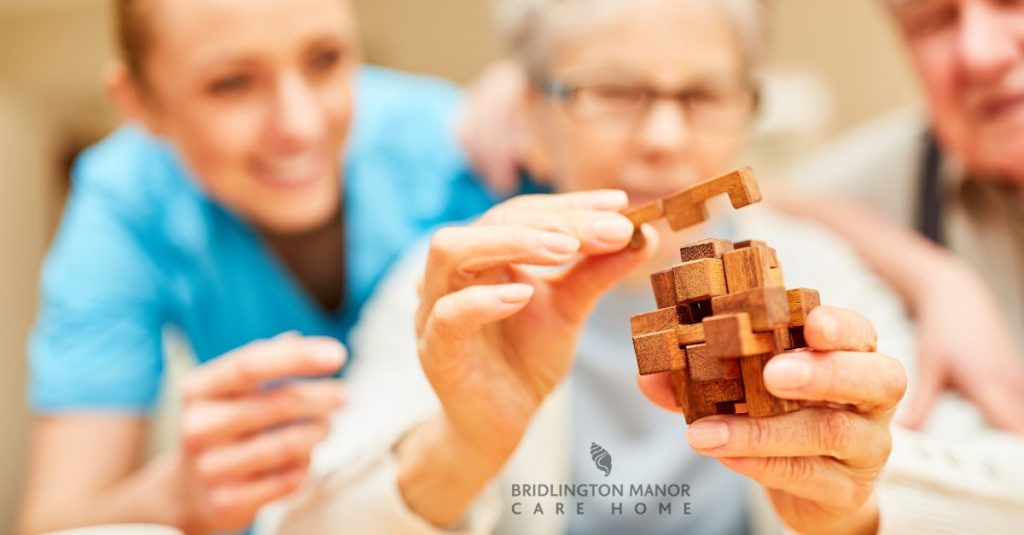
THERAPIES: Cognitive therapies, behavioural interventions and occupational therapy can help maintain cognitive function and manage behaviour changes.
LIFESTYLE CHANGES: Maintaining a healthy lifestyle including a balanced diet, regular exercise and social engagement can positively impact overall well-being.
SUPPORTIVE CARE: Emotional and psychological support through counselling, support groups and therapy is crucial for both patients and caregivers.
SUPPORTS FOR FAMILIES AND CAREGIVERS
Caring for someone with Alzheimer’s can be challenging and demanding. Here are some tips for families and caregivers
EDUCATE YOURSELF: Learn about the disease to better understand its progression and management.
BUILD A SUPPORT NETWORK: Connect with other caregivers, support groups and healthcare professionals.
PLAN FOR THE FUTURE: Address legal and financial matters early, including power of attorney and advance directives.
TAKE CARE OF YOURSELF: Caregivers need to prioritize their health by taking breaks, seeking respite care and participating in support groups.
Alzheimer’s dementia is a complex and challenging condition that affects millions of people worldwide. Understanding its causes, symptoms, stages and management can help those affected navigate this difficult journey. At Bridlington manor care home, we commit ourselves to providing compassionate care and support for individuals with Alzheimer’s and their families. For more information, resources and support please contact us or visit our website.


COST OF CARE HOMES - Bridlington Manor says:
[…] specialized facility to provide a safe and supportive environment for individuals living with dementia, including Alzheimer’s disease and other memory-related conditions. These homes are staffed by […]
DIFFERENCE BETWEEN RESIDENTIAL AND NURSING CARE - Bridlington Manor says:
[…] including administering medication, wound care and managing chronic illnesses like diabetes or dementia. They also handle post-surgery rehabilitation and other complex medical […]
ART THERAPY IN CARE HOMES - Bridlington Manor says:
[…] Dementia is one of the most prevalent conditions among elderly populations in care homes. With no cure for the disease, care home staff and families are often left seeking alternative ways to provide comfort and support. Art therapy offers one such approach. […]
MOVING INTO A CARE HOME CHECKLIST - Bridlington Manor says:
[…] DEMENTIA OR ALZHEIMER’S: Specialized care homes cater to those with memory issues, providing tailored support in a safe environment. […]
MEMORY CARE - Bridlington Manor says:
[…] care specially made to meet the needs of individuals living with memory related conditions such as Alzheimer’s disease dementia and other cognitive impairments. The demand of memory care services increase day by day. This […]
CARE HOMES FOR COUPLES - Bridlington Manor says:
[…] some cases like Dementia specialised dementia care units ensure a safe and supportive environment for individuals with […]
Aromatherapy to Support Relaxation and Well-Being in Care Home says:
[…] decline is a common issue among elderly residents, particularly those with dementia or Alzheimer’s disease. Rosemary oil, refers to as the “memory herb,” that has shown to improve concentration […]
Music Therapy: Transforming Lives in Our Care Home - Bridlington Manor says:
[…] STIMULATION: For individuals with dementia or Alzheimer’s, music can trigger memories and improve focus. Familiar tunes often stimulate recollection of […]
Loss Of Appetite In Seniors - Bridlington Manor says:
[…] cancer, gastrointestinal disorders such as acid reflux or irritable bowel syndrome and Dementia or Alzheimer’s disease may occur as result of appetite […]