
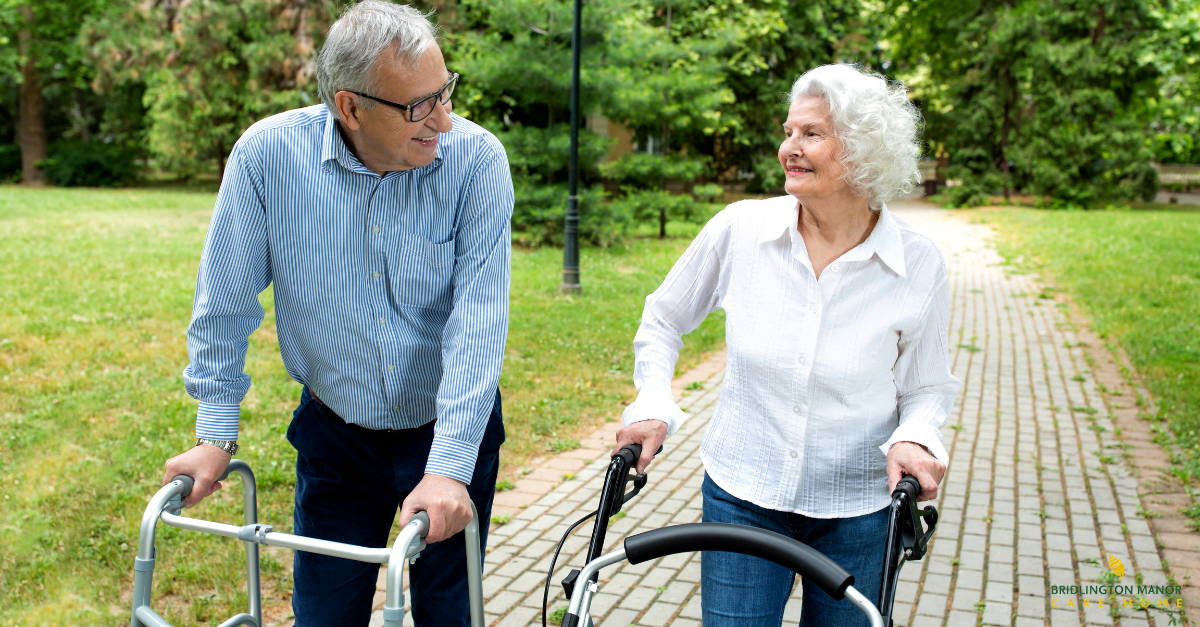
Going through surgery is a difficult journey, especially for older adults. The time following surgery is vital, main challenges during this time is managing pain effectively. Pain management post surgery plays a important role in the recovery, particularly to those elderly individuals who may have underlying health conditions or be more sensitive to the after effects of surgery. Proper pain managements helps in fostering a quicker and smoother recovery. This will help the patients to regain mobility, independence and quality of life. In this blog, we will speak about the significance of pain management post surgery, common techniques used, potential complications and how care homes can provide the necessary support for their residents.
UNDERSTANDING PAIN POST-SURGERY
Post surgical pain is the natural outcome of most medical procedures. The intensity and duration of pain can depends on factors such as the type of surgery, the individuals pain threshold and any pre existing medical conditions. Pain may be acute, occurring immediately after surgery or chronic if it persists for weeks or even months after the procedure. It is crucial to differentiate between normal post-operative pain and pain that indicates complications, such as infections or poor healing. For residents in care homes, the psychological and emotional impact of surgery can also contribute to their perception of pain. Anxiety, fear and isolation often amplify pain experiences, particularly in elderly patients who might feel vulnerable and dependent on others for their care.
IMPORTANCE OF EFFECTIVE PAIN MANAGEMENT
Effective pain management is not just about comfort it is about improving health outcomes and quality of life. Here are some of the key reasons why managing pain post-surgery is crucial,

IMPROVED HEALING
Uncontrolled pain can slow down the healing process. Pain can increase stress, trigger inflammation and impede the body’s ability to repair tissues efficiently. Managing pain helps in reducing these adverse effects and supports the body’s recovery mechanisms.
BETTER MOBILITY
Post-operative pain, especially following procedures such as joint replacements or abdominal surgery, can limit mobility. Pain relief enables residents to move more comfortably, preventing complications like blood clots, muscle atrophy or pneumonia due to prolonged immobility.
ENHANCED PSYCHOLOGICAL WELL BEING
Pain can have a profound psychological impact, contributing to anxiety, depression and a sense of helplessness. For older adults, who may already be dealing with the emotional challenges of aging, effective pain control is essential for promoting mental health and overall well-being.
PREVENTION OF CHRONIC PAIN
Acute pain, if not managed properly, can become chronic. This can lead to long-term dependency on pain medications and a decreased quality of life. Managing pain effectively during the acute phase post-surgery can reduce the risk of chronic pain developing.
FACILITATING REHABILITATION
Physical therapy is often requires post-surgery, but if pain is uncontrollable, patients may be unwilling or unable to participate fully in rehabilitation exercises. Proper pain management supports engagement in physical therapy, which is essential for a full recovery.
COMMON PAIN MANAGEMENT TECHNIQUES
A multi-dimensional approach to pain management is often the most effective, combining medications, physical therapies and alternative techniques. Below are the common methods using for managing pain post-surgery:

MEDICATION
NON OPIOID ANALGESICS
These include acetaminophen and nonsteroidal anti-inflammatory drugs (NSAIDs) like ibuprofen or aspirin. They are often used for mild to moderate pain and are preferred because they have fewer side effects than stronger painkillers.
OPIOIDS
For more severe pain, opioids such as morphine, oxycodone, or codeine may be prescribed. While effective, opioids come with risks such as dependency, sedation and constipation which can be particularly problematic in elderly patients. Careful monitoring is essential to prevent abuse and manage side effects.
LOCAL ANESSTHETICS
Some patients may benefit from local or regional anaesthetics, which block pain in specific areas of the body. These can be delivered via injections or nerve blocks and are often used for surgeries involving the limbs or abdomen.
ADJUVANT MEDICATIONS
Medications typically used for other conditions, such as antidepressants or anticonvulsants, can also be helpful in managing certain types of post-surgical pain, particularly neuropathic pain.
NON-PHARAMACOLOGICAL PAIN RELIEF
COLD AND HEAT THERAPY
Applying ice packs or warm compresses can reduce pain and swelling. Ice is particularly effective in the first 24-48 hours after surgery, while heat can help to relax muscles and improve blood flow as the healing process continues.
PHYSCIAL THERAPY
Engaging in gentle movements and exercises, under the guidance of a physical therapist, can improve circulation, reduce stiffness, and prevent the formation of scar tissue. Physical therapy is crucial for regaining strength and mobility after surgery.
MASSAGE AND MANUAL THERAPY
Soft tissue manipulation through massage can help reduce muscle tension and alleviate pain. It can also improve the range of motion and increase circulation to the affected area, promoting healing.
TRANSCUTANEOUS ELECTRICAL NERVE STIMULATION(TENS)
TENS devices use low-voltage electrical currents to stimulate nerves, providing pain relief. This method can be particularly helpful for residents who experience chronic post-surgical pain.
PSYCHOLOGICAL APPROACHES
COGNITIVE BEHAVIOURAL THERAPY (CBT)
CBT can help patients manage their perception of pain and cope with the emotional impact of surgery. Techniques like relaxation exercises, meditation, and deep breathing can reduce stress and anxiety, making pain more manageable.
DISTRACTION TECHNIQUES
Engaging in activities that focus attention away from pain, such as listening to music, watching television, or engaging in hobbies, can help reduce the intensity of pain for some individuals.
ALTERNATIVE THERAPIES
ACUPUNCTURE
In some cases, acupuncture can be used to manage pain post-surgery. This ancient practice involves inserting thin needles into specific points on the body to relieve pain and promote healing.
AROMATHERAPY AND ESSENTIAL OILS
Certain scents, such as lavender or chamomile, have been shown to have calming effects and may help reduce pain perception when used in combination with other pain management strategies.
COMPLICATION OF PAIN MANAGEMENT IN OLVER ADULTS
Managing pain in older adults, especially those residing in care homes, presents unique challenges. The aging process itself alters the body’s response to medications and therapy, and many elderly individuals have multiple chronic conditions that can complicate treatment. Below are some of the potential complications:

MEDICATION INTERACTIONS
Older adults are often on multiple medications to manage various health conditions. Introducing pain medications, especially opioids, can increase the risk of adverse interactions. For instance, NSAIDs may increase the risk of gastrointestinal bleeding, and opioids can exacerbate constipation and lead to sedation or confusion.
INCREASED SENSITIVITY TO MEDICATIONS
As the body ages, its metabolism slows down, making it more difficult for the body to process and eliminate drugs. This means that even standard doses of pain medications can have stronger effects, leading to side effects like dizziness, falls, or confusion.
RISK OF DEPENDENCY
Older adults are at higher risk for dependency on pain medications, especially opioids. This makes it essential for care home staff to monitor pain management closely and use opioids only when necessary, gradually tapering them off as the patient recovers.
DECREADED MOBILITY AND RISK OF COMPLICATIONS
If pain is not managed effectively, it can result in prolonged immobility. This increases the risk of complications such as deep vein thrombosis (DVT), pressure ulcers, and muscle atrophy. Elderly patients are particularly vulnerable to these complications, so it is essential to encourage movement as soon as possible post-surgery.
HOW CARE HOMES SUPPORTS POST-SURGERY PAIN MANAGEMENT
Care homes play a critical role in managing post-surgical pain for their residents. Here are some ways in which care homes can provide comprehensive support:

INDIVIDUALIZED PAIN MANAGEMENT PLANS
Every resident’s experience of pain is unique. Care homes should work closely with healthcare providers to develop individualized pain management plans that take into account the resident’s medical history, type of surgery, and personal preferences. These plans should be regularly reviewed and adjusted as the resident progresses through their recovery.
REGULAR PAIN ASSESSMENTS
Staff should conduct regular pain assessments using standardized tools, such as the Numeric Rating Scale (NRS) or the Visual Analog Scale (VAS). For residents who may have difficulty communicating their pain (e.g., those with dementia), observational tools that assess body language, facial expressions, and changes in behaviour should be used.
EDUCATION FOR STAFFS AND RESIDENTS
Educating staff about the importance of pain management and how to identify signs of uncontrolled pain is essential. Residents should also be educated about pain management options and encouraged to report their pain levels honestly.
MULTIDISCIPLINARY APPROACH
Pain management should involve a multidisciplinary team, including physicians, nurses, physical therapists, and mental health professionals. This team can provide a holistic approach to care, addressing not only physical pain but also emotional and psychological needs.
EMPHASIS ON REHABILITATION
Care homes should emphasize the importance of rehabilitation as part of the recovery process. Encouraging residents to engage in physical therapy, exercise, and activities that promote mobility can reduce the risk of long-term pain and complications.
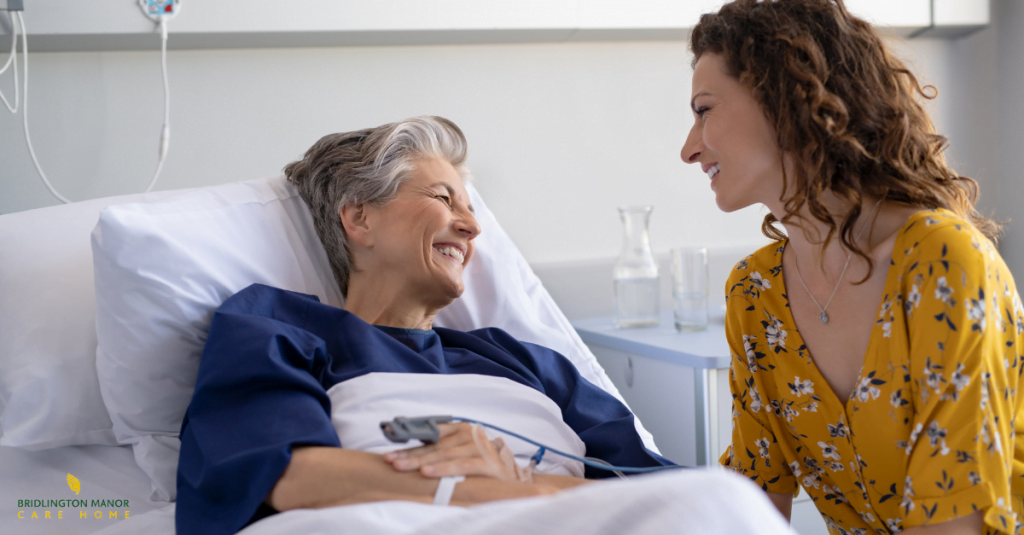
Effective pain management post-surgery is essential for ensuring a smooth recovery, particularly for elderly individuals in care homes. By adopting a multi-faceted approach that includes medications, physical therapies, psychological support, and alternative treatments, care homes can significantly improve the well-being and quality of life for their residents. Pain control not only enhances physical healing but also supports emotional and mental health, allowing residents to regain independence and confidence.
Involving healthcare professionals, care home staff, families, and the residents themselves in creating personalized pain management plans fosters a compassionate environment where recovery is prioritized. By staying vigilant and responsive to each resident’s needs, care homes can play a pivotal role in ensuring that post-surgical pain is effectively managed, minimizing discomfort and maximizing the potential for a full and successful recovery.