A stroke can make a drastic impact on the life of individual as well as their family members. The person who affected by stroke experience significant physical, cognitive and emotional challenges. It also affect the emotional well being of the entire family. When it comes to stroke rehabilitation it is the most important and difficult part for the survivor and the family. Stroke rehabilitation is a process aims at helping survivors to regain their independence and enhance their quality of life. In this blog we explain various aspects of stroke rehabilitation including its importance, methodologies, and the role of caregivers.
WHAT IS A STROKE?
A stroke is a medical emergency that occur when the blood supply to part of the brain is interrupted or reduced which preventing brain tissue from getting oxygen and nutrients. There are two main types of strokes, ischemic stroke and haemorrhagic stroke.
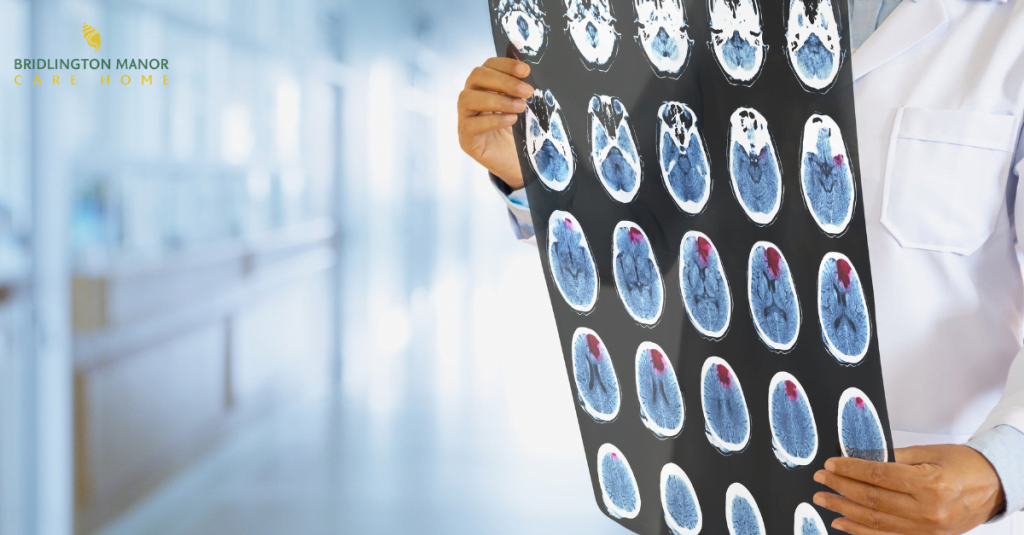
An ischemic stroke occur when blood vessel supplying blood to the brain is blocked typically by a blood clot. This blockage prevents oxygen and nutrients from reaching the brain tissue, leading to the death of brain cells in the affected area. Thrombotic stroke and embolic stroke are the type of stroke comes under the ischemic stroke. Thrombotic stroke happens when a blood clot forms in one of the arteries supplying blood to the brain and embolic stroke occurs when a blood clot or other debris forms away from the brain (commonly in the heart) and is swept through the bloodstream to lodge in narrower brain arteries.
An haemorrhagic stroke occurs when a blood vessel in the brain ruptures and bleeds into the surrounding brain tissue. This bleeding increases pressure on the brain cells, leading to damage and loss of function. Haemorrhagic stroke has two sub categories Intracerebral haemorrhagic and subarachnoid haemorrhagic. Intracerebral haemorrhagic is the most common type, occurring when an artery in the brain bursts, flooding the surrounding tissue with blood. Subarachnoid haemorrhagic occurs when there is bleeding in the area between the brain and the thin tissues covering it, often caused by the bursting of an aneurysm.
SYMPTOMS OF STROKE
Recognizing stroke symptoms quickly is crucial. The acronym FAST can help:
FACE DROPPING: One side of the face droops or feels numb
ARM WEAKNESS: One arm feels weak or numb.
SPEECH DIFFICULTY: Speech is slurred or hard to understand.
Other symptoms may include sudden numbness or weakness in the leg, confusion, trouble seeing in one or both eyes, difficulty walking, dizziness, loss of balance or a severe headache with no known cause.
THE IMPACT OF STROKE
The effects of a stroke can vary widely but often includes the following;
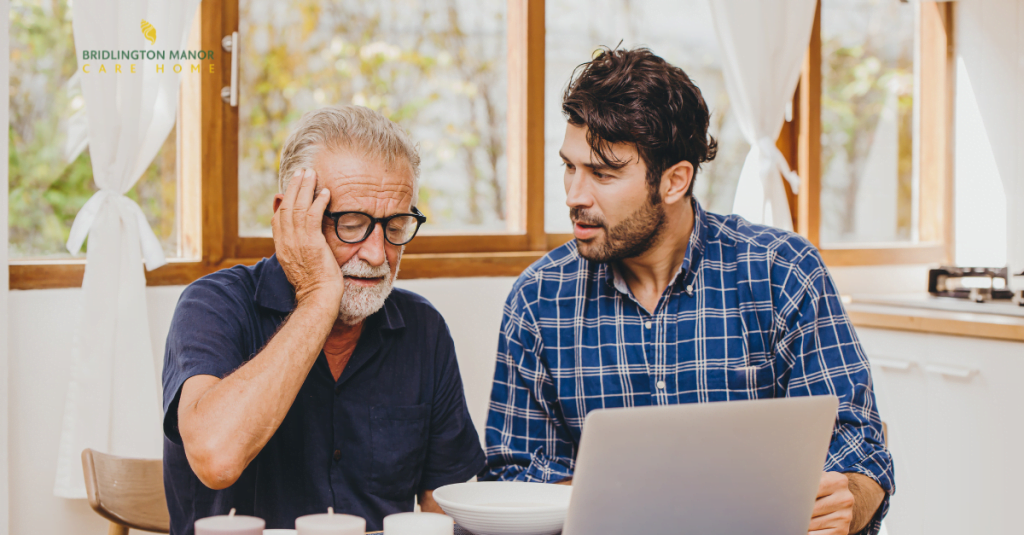
PHYSICAL IMPAIRMENTS: Weakness, paralysis, and coordination problems, typically on one side of the body.
COGNITIVE DEFICITS: Memory loss, difficulty with problem-solving and impaired judgment.
SPEECH AND LANGUAGE ISSUES: Trouble with speaking, understanding language, reading or writing.
EMOTIONAL CHANGES: Depression, anxiety and personality shifts.
THE IMPORTANCE OF STROKE REHABILITATION
Stroke rehabilitation is the first crucial step a survivor should take to come back into normal life. Stroke rehabilitation aims at restore functions of the patients by helping them to regain as much physical, cognitive and emotional function as possible. The survivors face several secondary issues like muscle atrophy, bedsores and blood clots. In this stage addressing and preventing these complications is essential. We should promote their independence by enable them to perform daily activities with minimal assistance. In short stroke rehabilitation aims at improving the overall well-being and life satisfaction of stroke survivors.
KEY COMPONENTS OF STROKE REHABILITATION
PHYSICAL THERAPY
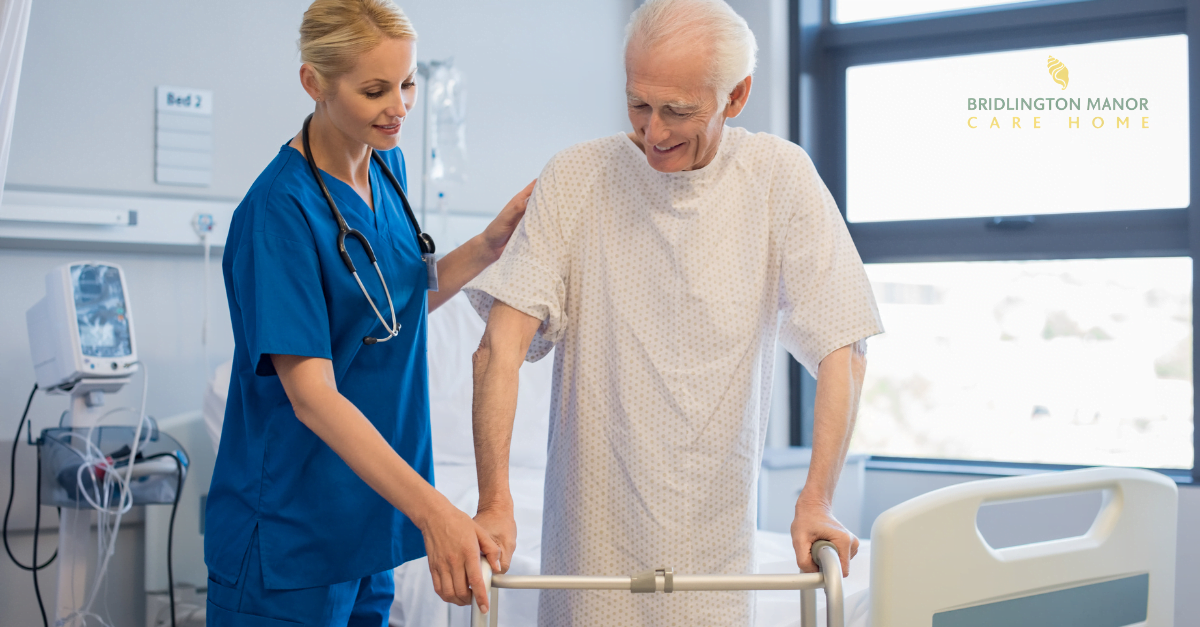
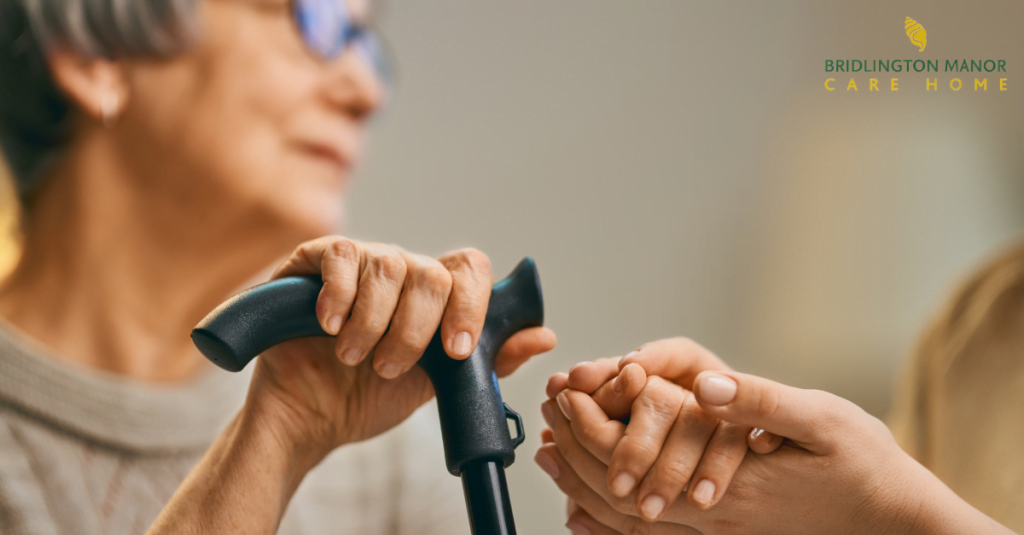
Physical therapy important key component of stroke rehabilitation which focuses on improving mobility, strength and coordination. In physical therapy we Includes exercises to enhance motor skills, balance and the use of assistive devices like canes or walkers.
OCCUPATIONAL THERAPY
Occupational therapy help patients relearn daily activities such as bathing, dressing and eating. Here we offer Utilizes adaptive techniques and tools to promote independence of survivors.
SPEECH LANGUAGE THERAPY
After surviving from stroke the patients face difficulty in speaking. Speech language therapy is the process Involves exercises to improve speech, language comprehension and cognitive communication skills.
COGNITIVE REHABILITATION
Cognitive rehabilitation target at functions like memory, attention and problem-solving. This stage aims at engaging patients in tasks designed to stimulate brain activity and improve mental functions.
EMOTIONAL AND PSYCHOLOGICAL SUPPORT
Provides counselling and support to address emotional changes and mental health issues is essential after surviving from stroke. Encourages participation in social activities and other community programs helps to reduce feelings of isolation among the patients.
REHABILITATION SETTINGS
INPATIENT REHABILITATION FACILITIES (IRFs)
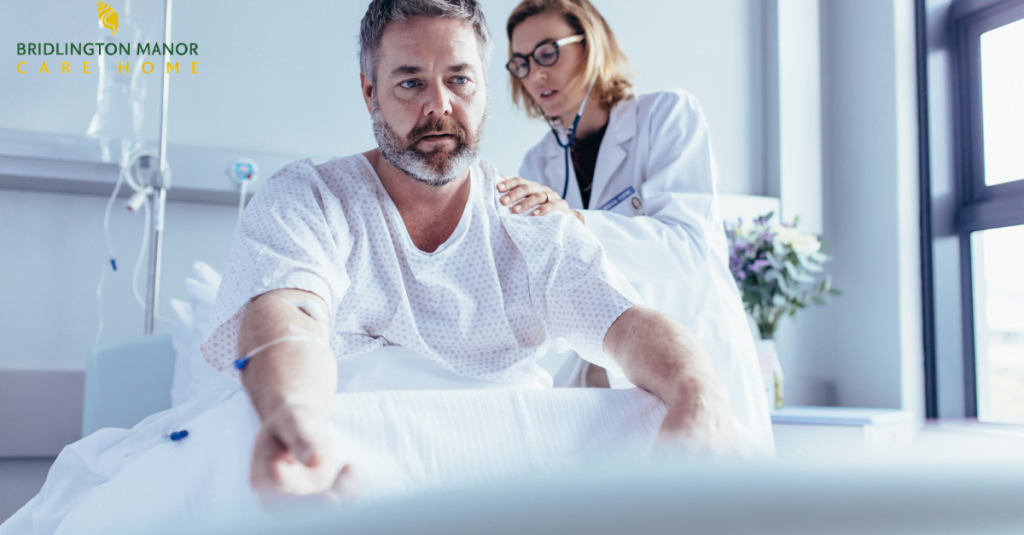
Inpatient rehabilitation facilities (IRFs) are specialized medical centres dedicated to providing intensive rehabilitation services to patients recovering from strokes. These facilities offer comprehensive, multidisciplinary care aimed at restoring functional abilities and improving quality of life. Patients typically receive tailored treatment plans that include physical therapy, occupational therapy, speech-language therapy and other specialized therapies to address their specific needs. The care team often includes doctors, nurses, therapists and social workers who collaborate to ensure holistic and personalized treatment. IRFs equippes with advanced medical equipment and resources to support patients’ recovery. IRFs offers a structured environment that promotes healing, independence and a safe return to daily activities.
OUTPATIENT REHABILITATION
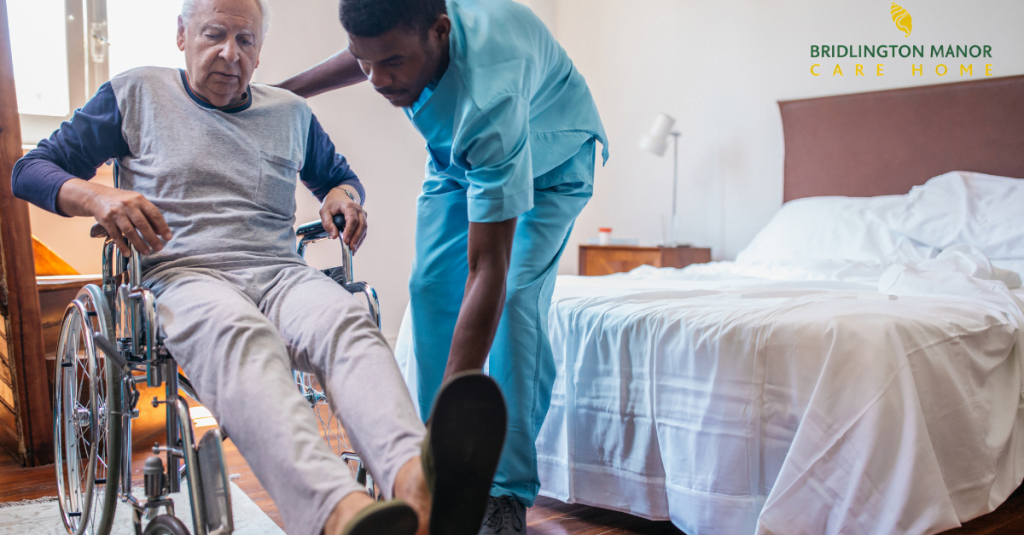
Outpatient rehabilitation provides patients with access to specialized therapeutic services while allowing them to live at home and maintain their daily routines. These facilities offer a range of therapies, including physical therapy, occupational therapy, speech therapy and other specialized treatments tailored to individual needs. Outpatient rehab is ideal for patients recovering from strokes that require ongoing but less intensive care than inpatient programs. The flexible scheduling allows patients to receive professional care and support without the need for a hospital and gradually helps the survivors return to normal activities and enhancing overall recovery.
HOME BASED REHABILITATION
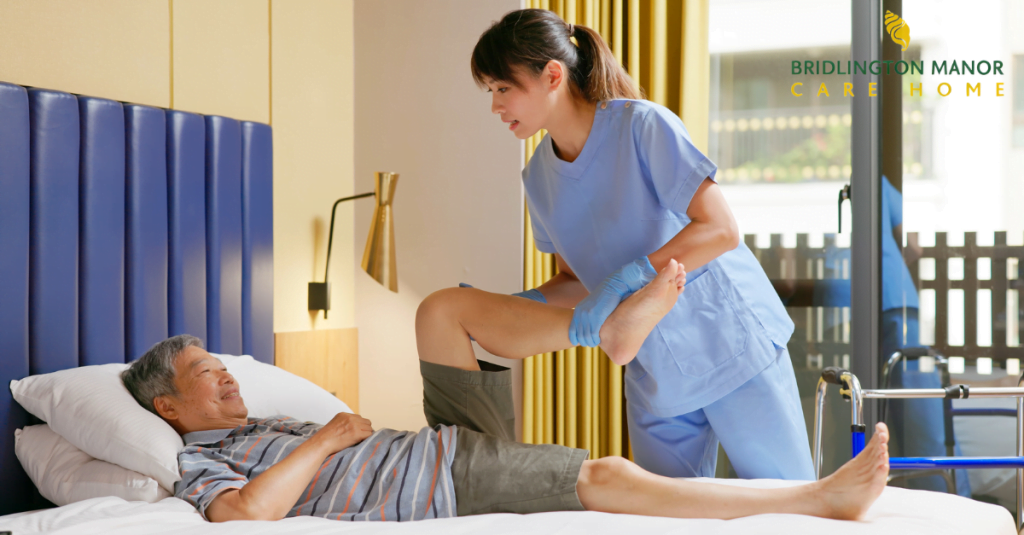
Home-based rehabilitation provides patients with therapeutic services in the comfort and convenience of their own homes. This approach is particularly beneficial for individuals who face mobility challenges, have busy schedules or prefer a familiar environment for their recovery. Home-based rehab programs typically include physical therapy, occupational therapy and speech therapy. It is tailored to each patient’s unique needs and goals. Therapists visit the patient’s home to deliver personalized care, utilizing everyday household items and settings to enhance functional recovery and independence. This model not only promotes comfort and convenience but also encourages patient and family involvement in the rehabilitation process, ultimately supporting a holistic and effective recovery journey.
COMMUNITY BASED PROGRAMS
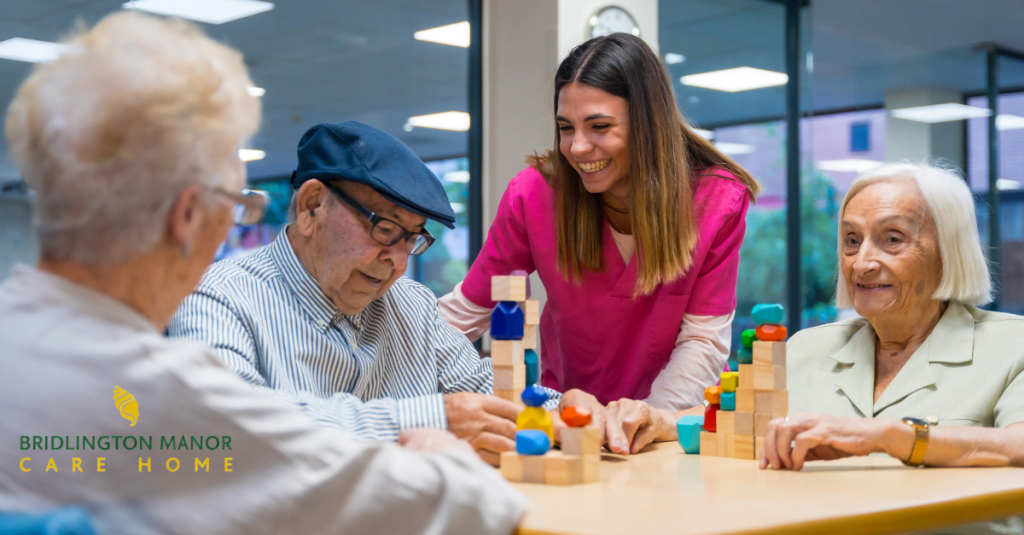
Community based rehabilitation programs include group therapy sessions, fitness programs and recreational activities. This method is more suitable for the survivors that are almost recovered. These programs promote social interaction and community support among stroke survivors.
TIPS FOR EFFECTIVE STROKE REHABILITATION
SET REALISTIC GOALS: Work with healthcare providers to set achievable rehabilitation goals.
STAY CONSISTENTS: Regular therapy and exercise are crucial for recovery.
MAINTAIN A POSITIVE ATTITUDE: Encourage a hopeful and determined mindset
UTILIZE SUPPORT NETWORKS: Engage with support groups and community resources.
Stroke rehabilitation is a multidimensional and personalized process that requires dedication, patience and support. At Bridlington manor, we are committed to providing comprehensive stroke rehabilitation programs tailored to each individual’s needs. By integrating various therapies, involving family members and leveraging technological advancements, we toil to help stroke survivors achieve the best possible recovery and improve their quality of life.
CARDIOVASCULAR DISEASES - Bridlington Manor says:
[…] stroke occurs when the blood supply to a part of the brain is interrupted or reduced. This prevent […]