
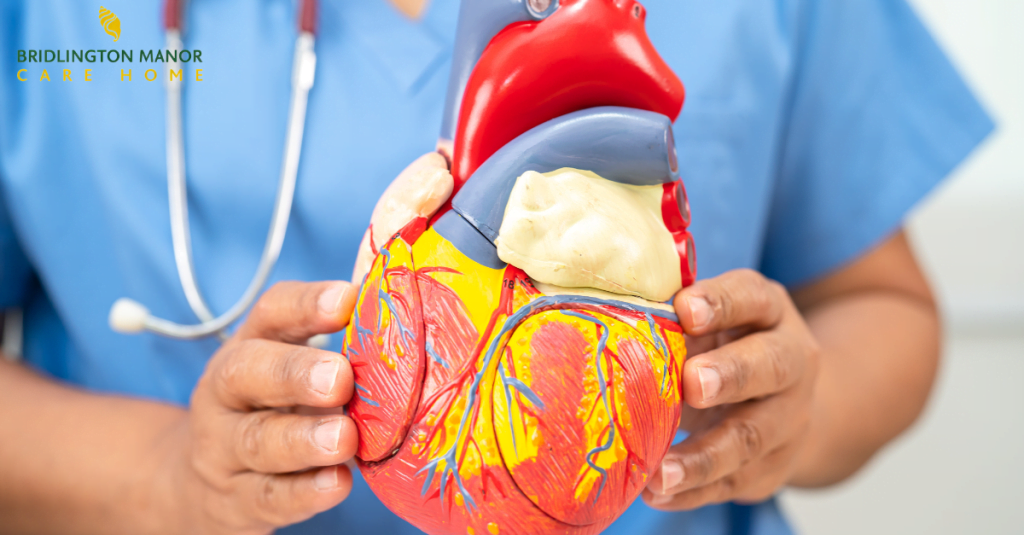
The disorders that affect heart and blood vessels are grouped as cardiovascular diseases including coronary artery disease, heart failure, arrhythmias, and stroke. These diseases are more common among seniors and are a leading cause of illness and mortality worldwide. Understanding cardiovascular diseases are important for seniors well being. In this blog post we explain the factors, symptoms and prevention strategies can help seniors to get better awareness about cardiovascular diseases and lead healthier and active lives.
TYPES OF CARDIOVASCULAR DISEASES
CORONARY ARTERY DISEASE (CAD)
It is a common cardiovascular condition characterized by the narrowing or blockage of the coronary arteries which supply blood to the heart muscle. This occurs due to the build up of plaque which is a combination of fat, cholesterol, and other substances on the artery walls. This process known as atherosclerosis. CAD can lead to reduced blood flow to the heart, causing chest pain (angina), shortness of breath or more severe consequences like heart attacks.
HEART ATTACK (MYOCARDIAL INFRARCTION)
A heart attack or myocardial infarction occurs when a part of the heart muscle is lacks oxygen-rich blood. This occurs due to the blockage in one or more of the coronary arteries. The blockage is caused by a build up of plaque, which can rupture and form a blood clot. If it is not treated the affected heart muscle can suffer irreversible damage or even death. Immediate medical attention and interventions such as medications or surgical procedures are critical for minimizing heart damage and improving survival rates.
HEART FAILURE
When the heart is unable to pump blood effectively to meet the body’s needs heart failure occurs . This a chronic condition result from various factors including coronary artery disease, high blood pressure and previous heart attacks which weaken the heart muscle. As the heart’s pumping ability diminishes, fluid can accumulate in the lungs and other tissues, worsen these symptoms. Managing heart failure involves lifestyle changes, medications and sometimes medical devices or surgery to improve heart function and quality of life. Early diagnosis and treatment are crucial to slowing the progression of heart failure and reducing the risk of severe complications.
STROKE
A stroke occurs when the blood supply to a part of the brain is interrupted or reduced. This prevent brain tissue from getting the oxygen and nutrients it needs. This can happen due to a blockage (ischemic stroke) or a rupture (haemorrhagic stroke) of a blood vessel in the brain. Without prompt treatment, brain cells begin to die which leads to potentially severe and permanent damage. Immediate medical attention is critical as early intervention can significantly improve outcomes and reduce long-term disability.
PERIPHERAL ARTERY DISEASE (PAD)
Peripheral Artery Disease (PAD) is a common condition in which narrowed arteries reduce blood flow to the limbs usually the legs. This reduction is typically caused by atherosclerosis, the build up of fatty deposits on artery walls. Early detection and treatment are vital to prevent complications such as critical limb ischemia or increased risk of heart attack and stroke.
RISK FACTORS OF CARDIOVASCULAR DISEASES
Cardiovascular diseases are influenced by a variety of risk factors, many of which are interconnected and can compound the overall. This risk factors includes;

AGE: The risk of CVD increases with age.
GENDER: Men are generally at higher risk at an earlier age, but women’s risk increases and can surpass men’s after menopause.
FAMILY HISTORY: A family history of heart disease increases the risk.
HIGH BLOOD PRESSURE: Hypertension can damage blood vessels and heart tissue.
HIGH CHOLESTEROL: High levels of LDL cholesterol can lead to plaque build up in the arteries.
DIABETES: Diabetes increases the risk of CVD significantly.
SMOKING: Smoking damages blood vessels and increases the risk of heart disease.
OBESITY: Excess weight strains the heart and can lead to diabetes and high blood pressure.
PHYSICAL INACTIVITY: Lack of exercise contributes to obesity and other risk factors.
UNHEALTHY DIET: Diets high in saturated fats, trans fats, salt and sugar can contribute to heart disease.
Addressing these risk factors through lifestyle changes, medical interventions, and regular monitoring is crucial for preventing and managing CVDs.
SYMPTOMS OF CARDIOVASCULAR DISEASES
symptoms of cardiovascular diseases may vary depending on the specific condition but often includes the following;

CHEST PAIN: Often described as pressure, squeezing, or fullness.
SHORTNESS OF BREATH: Can occur with or without chest discomfort.
PAIN IN THE NECK,JAW,THROAT OR BACK: Often overlooked as heart-related.
PAIN IN THE LEGS OR ARMS: Particularly if it occurs with activity and stops with rest (PAD).
FLUTTERING IN THE CHEST: Which could indicate an arrhythmia.
SWELLING IN THE LEGS,ANKLES OR FEET: These can be a sign of heart failure.
FATIGUE: Unusual or persistent fatigue can be a symptom of heart failure.
PREVENTION AND MANAGEMENT OF CARDIOVASCULAR DISEASES
Preventing and managing cardiovascular diseases (CVDs) involves a disciplined approach that emphasizes lifestyle changes, medical interventions, and regular health monitoring.

HEALTHY DIET: Eat plenty of fruits, vegetables, whole grains and lean proteins. Limit saturated fats, trans fats, salt and sugar.
REGULAR EXERCISE: Aim for at least 30 minutes of moderate exercise most days of the week.
QUIET SMOKING: Seek help to stop smoking, as it’s one of the most significant risk factors.
MONITOR BLOOD PRESSURE: Keep track of your blood pressure and maintain it within healthy ranges.
CONTROL CHOLESTEROL AND DIABETES: Follow your doctor’s advice to manage cholesterol levels and diabetes.
LIMIT ALCOHOL: Drink in moderation, not more than one drink per day for women and two for men.
REGULAR CHECK-UPS: Regular visits to your healthcare provider can help detect and manage risk factors early.
By integrating these strategies seniors can significantly lower their risk of developing CVDs and enhance their overall quality of life.
Understanding cardiovascular diseases is crucial for seniors to take steps in maintaining their heart health. By recognizing the risk factors, symptoms and preventive measures seniors can significantly reduce their risk of developing serious heart conditions. Encourage regular check-ups and a healthy lifestyle to promote cardiovascular health and well-being.
At Bridlington care home we adapt these steps that can lead to a longer, healthier life allowing our seniors to enjoy their golden years to the fullest.

MANAGING CHRONIC CONDITIONS - Bridlington Manor says:
[…] Heart disease […]
ACTIVE AGING THEORY - Bridlington Manor says:
[…] Activity: Regular exercise tailored to individual needs helps maintain strength, flexibility and cardiovascular health. Activities like walking, yoga or swimming are excellent options for older […]