
As we all know October 1st marks international day of older persons. This is the day to honour the valuable contributions of the elders and to raise awareness about the problems they face. As our global population ages, this day becomes increasingly important for creating an environment of respect, care and dignity for older adults. For care homes, this is an opportunity to celebrate the elders in our care and highlight the essential role that society plays in ensuring that they live their later years with fulfilment.
THE SIGNIFICANCE OF INTERNATIONAL ELDERS DAY
International elders day was established by the unites nations in 1990. The aim of this day is to address the growing needs of the world’s aging population. According to the World Health Organisation (WHO) the global population of individuals aged 60 and above is expected to double by 2050. This is the time home care is more suitable for personalised care. while this demographic shift represents and extraordinary achievement in human longevity. This will bring challenges related to healthcare, social inclusion and the provision of support for the older people.
This day brings multiple purposes such as awareness about the issue older adults face such as age discrimination, healthcare needs and social isolation. Also it encourages advocacy for better and support system for older persons. Above all of this it offers an opportunity to appreciate the wisdom, experience and contributions of older generations.
CELEBRATING ELDERS IN CARE HOMES
Care homes play an crucial role in supporting older individuals, providing them with a safe, nurturing environment where they can receive the care they need. For many residents, care homes become a place of community and companionship, where they can find meaningful activities and relationships.
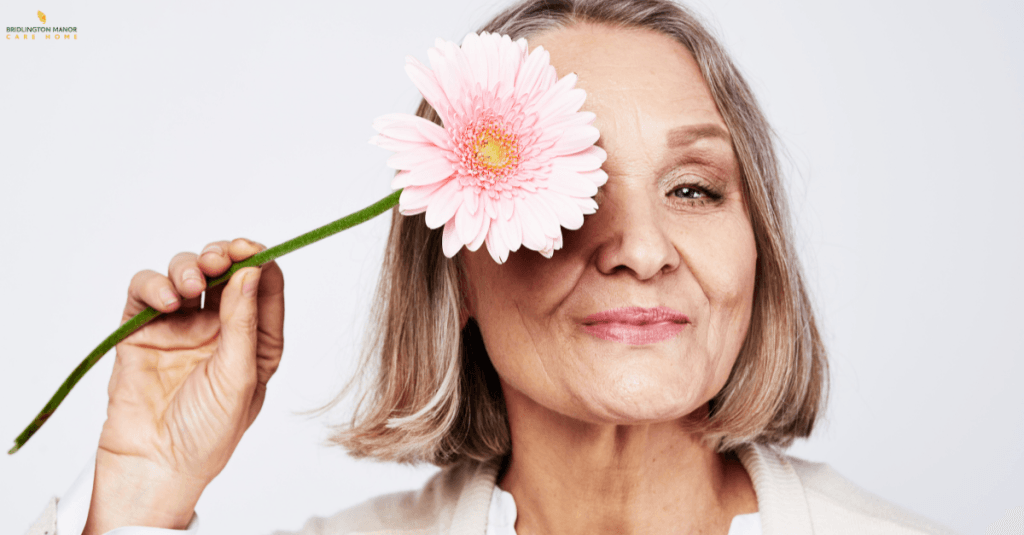
International Elders Day is a wonderful occasion for care homes to organise activities and events that bring together residents, staff and families in celebration of the rich lives of the elderly. Here are a few ways Bridlington manor care home can celebrate this important day:
STORYTELLING SESSIONS
Older adults are repositories of stories that span decades and generations. On International Elders Day, we organize storytelling sessions where residents can share their life experiences. These stories not onlu enrich our understanding of the past but also remind us of the struggles, successes and wisdom that come with age.
INTERGENERATIONAL PROGRAMS
Connecting older adults with younger generations helps bridge the gap between age groups and fosters mutual respect. We invite local schools to spend time with residents, participating in activities like board games, arts and crafts or simply enjoying conversations.
ART AND MUSIC THERAPY
Expressive therapies like art and music are incredibly beneficial for older adults, especially those living with conditions like dementia. Music or art sessions where residents can either create artwork or enjoy live performances can bring immense joy and relaxation.
RECONGINIZING ACHIEVEMENTS
Many residents in care homes have led remarkable lives, whether in their careers, families or personal achievements. Care homes can create a “Wall of Fame” where they showcase these achievements, giving residents a sense of pride and dignity.
ADRESSING CHALLENGES FACED BY THE ELDERLY
While International Elders Day is a day of celebration, it’s also a day to reflect on the ongoing challenges faced by older adults. Some of the most pressing issues include:
AGE DISCRIMINATION
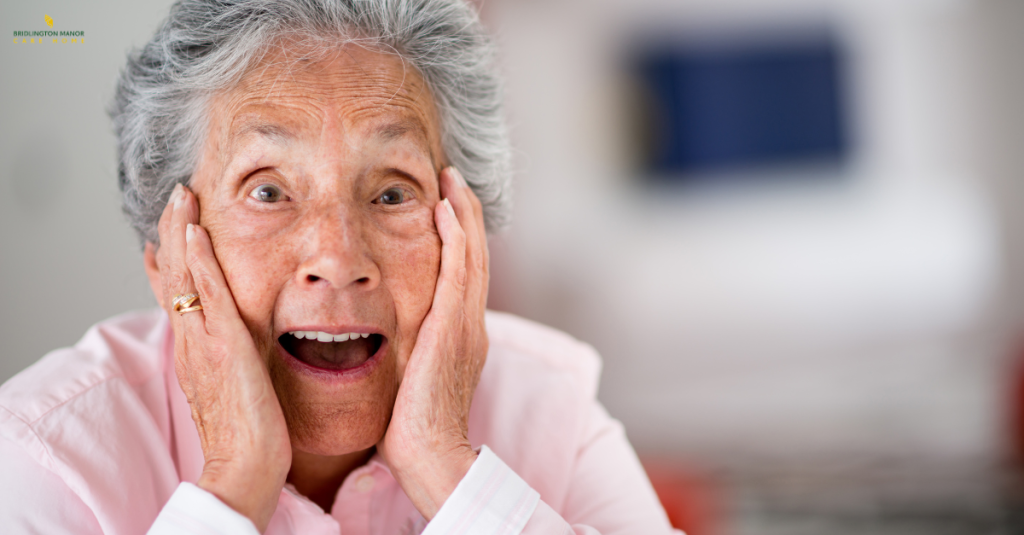
Despite the growing recognition of older individuals’ contributions to society, ageism remains a significant barrier. Discrimination against older people can manifest in the workplace, healthcare settings and even in social interactions. As people live longer and remain healthier for more years, it’s essential to break down stereotypes that older adults are less capable or valuable than their younger counterparts.
HEALTHCARE NEEDS
As people age, they often require more medical attention. Chronic conditions like arthritis and diabetes or acute needs like surgery. Access to quality healthcare can be limited for many older adults, particularly in lower-income countries or rural areas. Moreover, specialized geriatric care is still developing. Many health systems worldwide are not yet fully equippes to address the complex needs of older populations.
Care homes play a crucial role in ensuring that residents have access to appropriate healthcare, medication management and therapy services. On International Elders Day, it’s important to advocate for better healthcare services that address the unique needs of older individuals.
SOCIAL ISOLATION
The main pervasive issues older adults face is social isolation. Many elders live far from family members or have outlived their social circles. This isolation can lead to feelings of loneliness and depression. Care homes can mitigate this by offering residents a sense of community, providing opportunities for socialization and encouraging family involvement.
On International Elders Day, care homes can organize family days where residents’ loved ones are invited to participate in festivities. This not only strengthens family bonds but also reminds residents that they are valued and loved.
ECONOMIC INSECURITY
Many older adults have saved for their retirement, but some of them face economic hardship, especially if they rely solely on pensions or social security. Rising healthcare costs, housing expense and the need for long-term care can strain financial resources. Policymakers need to focus on improving financial support systems for older adults to ensure they can age with dignity.
THE IMPORTANCE OF QUALITY CARE
International Elders Day also highlights the importance of quality care in the later stages of life. For families, placing a loved one in a care home is a significant decision. It’s essential to choose a facility that prioritizes the well-being of its residents. High-quality care homes offer not just medical assistance but also create an environment where residents feel safe, supported, and engaged. At the core of quality elder care are the principles of compassion, respect and personalized attention. Every individual has unique needs, and care homes must cater to those needs to ensure residents experience comfort and dignity. Whether through palliative care, memory care or general daily support, care homes are at the forefront of making later life meaningful.
On this day, we are reminded of the invaluable contributions older adults make to society. They are the keepers of history, the mentors for younger generations, and a source of wisdom and guidance. By celebrating their lives and recognizing the challenges they face, we can foster a more inclusive, respectful world where older individuals are honoured and cherished.

At Bridlington manor, we play a vital role in this mission by providing compassionate and comprehensive care. This will supports both the physical and emotional well-being of our residents. Let’s take this opportunity to reflect on how we can improve the lives of older adults and celebrate their enduring legacy in our communities.