
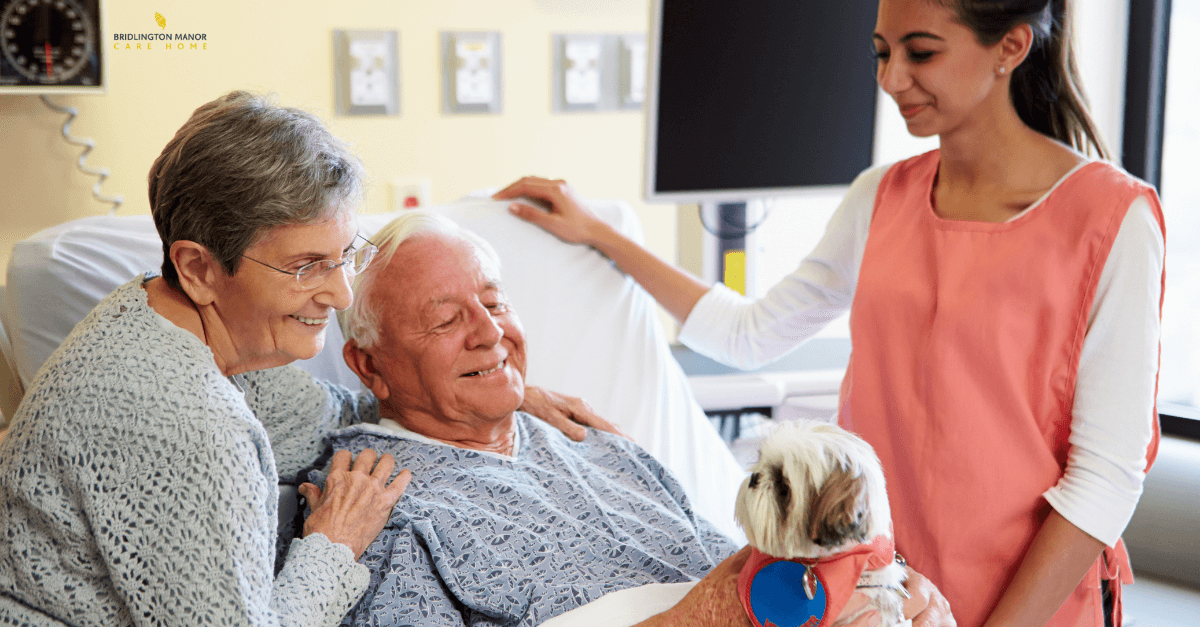
The bond between humans and animals is the part of evolution. In the old age it is for food and hunting, things change when it comes to the current age. Now pets offer unconditional love, companionship and comfort. By these much needed feeling pet therapy has gained recognition for its therapeutic benefits, particularly in care homes. For elderly residents, especially those dealing with cognitive decline, physical ailments or emotional distress pet therapy has proven to be a powerful tool for enhancing mental, emotional and physical well-being. In this blog, we will explore the numerous benefits of pet therapy, how it works and why it’s becoming a vital aspect of care home environments.
WHAT IS PET THERAPY
Pet therapy or animal assisted therapy involves using trained animals to provide comfort, companionship and therapeutic benefits to individuals. In any variety of settings, including care homes, hospitals and rehabilitation centres. These animal, typically dogs, cats, rabbits or even birds visit residents under the guidance of their handlers, helping to create a calming and supportive atmosphere. Pet therapy can take different forms. Varied structure therapeutic sessions aimed at addressing specific health concerns to more informal interactions that provide emotional support.There are two main types of pet therapy,
Animal assisted therapy which is a structured therapy that involves animals to help patients meet specific therapeutic goals. AAT is often part of a broader treatment plan, used alongside other therapies such as physical or occupational therapy.
Animal assisted activities means less formal and more casual interactions between the animal and the patient. This is where the goal is primarily emotional comfort, relaxation and companionship.
THE IMPORTANCE OF PET THERAPY IN CARE HOMES
For elderly residents in care homes isolation, loneliness and feelings of disconnect from their previous way of life are common challenges. Pet therapy offers a bridge to these individuals, providing companionship that can alleviate feelings of loneliness, encourage social interaction and even stimulate memory recall. As people age, physical and cognitive limitations may restrict their social interactions. These restrictions making it difficult to maintain relationships and daily activities. Pet therapy introduces a sense of purpose and joy, stimulating positive emotions and fostering a nurturing environment.
EMOTIONAL AND PSYCHOLOGICAL BENFITS
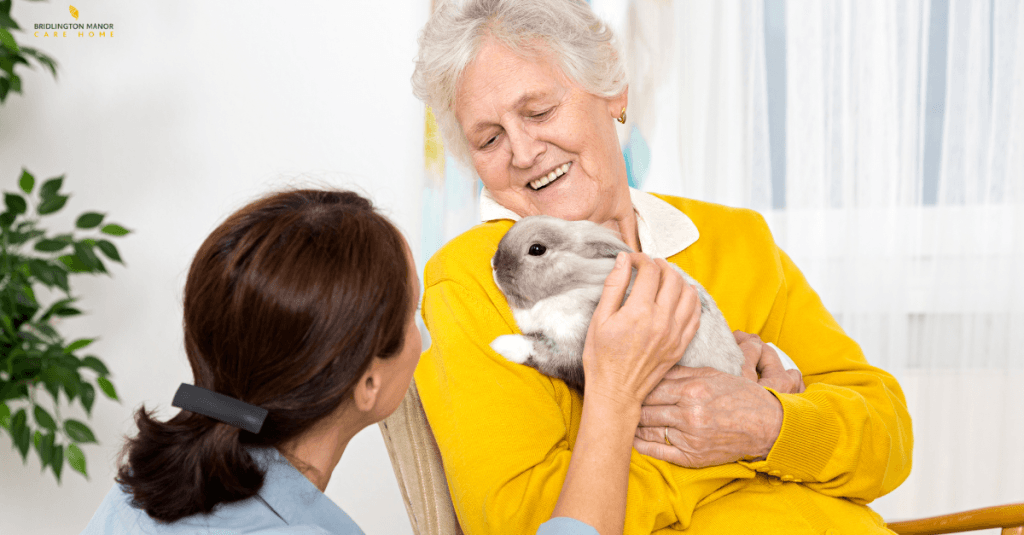
One of the most significant impacts of pet therapy is on residents emotional and psychological well-being. The presence of a friendly and affectionate animal can instantly brighten a residents day. By helping to reduce symptoms of depression, anxiety, and stress pet therapy plays a vital role. For elderly individuals, especially those dealing with conditions like dementia or Alzheimer’s disease, emotional challenges are often challenging by their health conditions.
It can provide a sense of comfort, emotional regulation and a break from the confusion and anxiety that can arise from cognitive decline. Studies shows that pet therapy can lower cortisol levels (the stress hormone). Boosting serotonin and dopamine levels, which contribute to feelings of happiness and relaxation. Many elderly residents form a deep bond with the therapy animals, which can provide a sense of comfort and companionship. This will help in reducing feelings of isolation and loneliness. The presence of animals often encourages conversation and socialization among residents, caregivers and visitors. This can lead to an increase in communication and a more connected community atmosphere.
COGNITIVE BENEFITS
For residents with cognitive impairments, including Alzheimer’s and other forms of dementia, pet therapy can stimulate memory and cognitive functions. Interaction with animals can trigger recollections of pets from the past or even evoke memories associated with animal care, providing moments of mental clarity and engagement. It can often remind residents of pets they owned in the past, triggering pleasant memories and stimulating cognitive activity. Handling animals, such as petting a dog or feeding a rabbit, helps residents stay focused on the present moment. This can be beneficial for individuals who struggle with confusion or memory loss. Many residents with cognitive decline are more likely to speak or express themselves when interacting with therapy animals. These interactions helps maintain or even improve their verbal communication skills.
PHYSICAL HEALTH BENEFITS
Pet therapy is primarily known for its emotional and mental benefits, but it can also have a direct impact on physical health. Engaging with animals often encourages movement, whether it’s a resident reaching out to pet a dog, tossing a ball for the animal or simply standing up to greet them. These small actions can promote mobility and motor function, which is particularly beneficial for residents dealing with physical limitations.
Gentle physical interaction with animals encourages residents to move, even if it’s just walking around the room or stretching to pet the animals. This helps them maintain flexibility and muscle strength. Pet therapy helps to lower blood pressure and heart rates. The calming effect of interacting with animals helps promote cardiovascular health, which is crucial for elderly individuals. For residents dealing with chronic pain or recovering from surgery, pet therapy can serve as a distraction, providing comfort and reducing their perception of pain.
SOCIAL BENEFITS
A care home is a communal environment and creating a sense of community is vital to the residents’ well-being. Pet therapy helps foster social interaction between residents, caregivers and even family members who visit. The presence of animals often breaks down social barriers, encouraging interaction and bonding among individuals who might otherwise feel shy or reserved. Animals act as a social catalyst, helping residents bond over shared experiences or conversations about the therapy animals. This can reduce feelings of isolation and foster a sense of community.
Therapy animals can serve as an intermediary between residents and caregivers, helping build trust and positive relationships. Residents may be more likely to engage with caregivers and medical professionals during therapy sessions involving animals. When family members visit their loved ones in care homes, having a therapy animal present can make the visit more enjoyable and less stressful. They also creating shared positive experiences.
HOW PET THERAPY WORKS IN CARE HOMES
Pet therapy in cate home need proper planning and consideration. The process involves selecting the right animals, ensuring the safety of residents and working with trained professionals to create a structured and supportive environment.
SELECTION OF ANIMALS
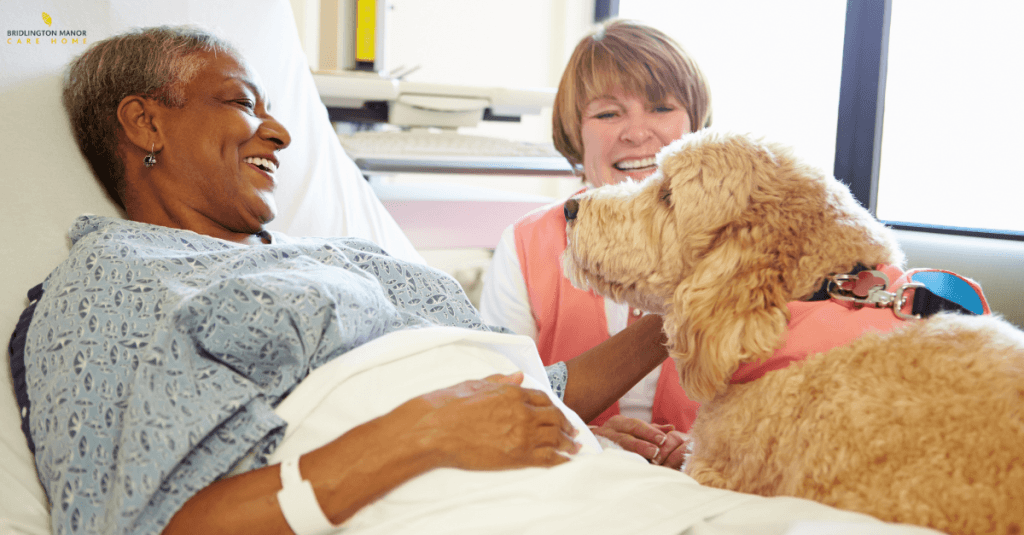
Not all animals are suitable for pet therapy. The animals used must be calm, gentle and trained to interact with elderly individuals. Therapy animals undergo specialized training to ensure they can handle the unique challenges of working in a care home environment, such as mobility aids, sudden noises or unpredictable behaviour from residents.
TRANINING AND CERTIFICATION
Professional organizations, such as Pet Partners and Therapy Dogs International, provide training and certification for animals used in pet therapy. This ensures that the animals behaves well, responsive to their handlers and comfortable working with vulnerable populations. Handlers, who accompany the animals, are also trained to understand the needs of the residents and how to facilitate meaningful interactions.
SAFETY CONSIDERATIONS
The safety of both the residents and the animals is important in any pet therapy program. Animals must be regularly checked for health issues, be up-to-date on vaccinations and be well-groomed to prevent the spread of infections. Additionally, handlers must supervise all interactions to ensure that the animals are treated with respect and that residents feel safe and comfortable.
STRUCTURED SESSIONS
Pet therapy sessions can be structured in a variety of ways, depending on the goals of the therapy. Some sessions might focus on improving mobility, while others may aim to reduce anxiety or provide companionship. Sessions can be one-on-one or involve groups of residents, depending on the needs and preferences of the participants. Some care homes may choose to have animals visit regularly, creating a sense of routine and anticipation while others may organize specific sessions for residents dealing with particular challenges.
RESIDENT PREFERENCES AND PARTICIPATION
It’s important to recognize that not all residents may want to participate in pet therapy. Some individuals may have allergies, fears or personal preferences that prevent them from enjoying animal interactions. Care homes should always ensure that pet therapy is voluntary and that residents are never pressured to participate. For those who do enjoy it, however, pet therapy can become a highly anticipated part of their daily or weekly routine.
CHALLENGES AND CONSIDERATIONS OF PET THERAPY
While pet therapy offers numerous benefits, there are also challenges and considerations that care homes need to address to ensure a successful and positive experience.
ALLERGIES AND HEALTH CONCERNS
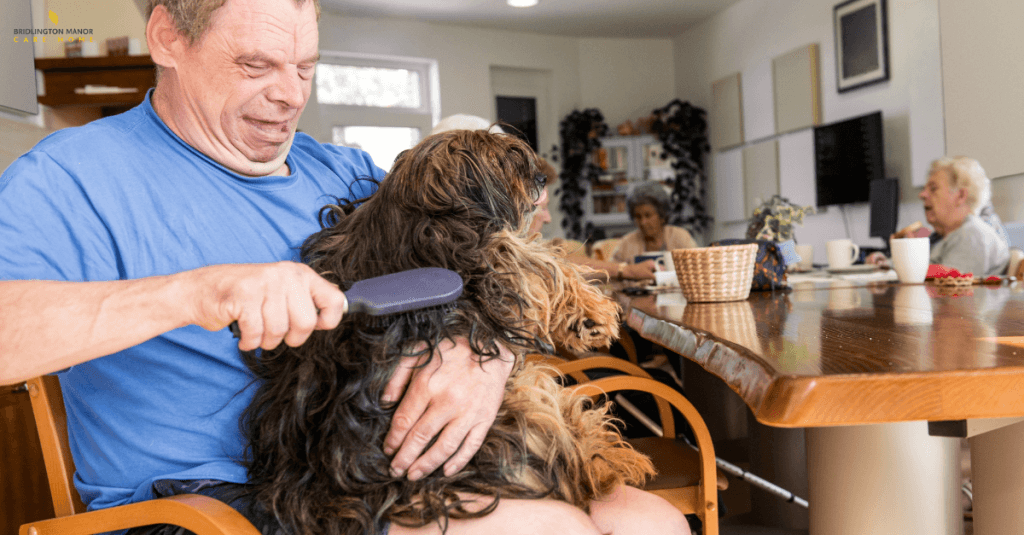
Some residents may be allergic to pet, which can limit their participation in pet therapy. It’s essential for care homes to be mindful of these potential issues and take steps to minimize exposure. Such as ensuring animals are well-groomed and maintaining proper hygiene protocols after each session.
ANIMAL WELFARE
The welfare of therapy animals is just as important as the well-being of the residents. Animals should not be overworked or stressed by their interactions with residents. Handlers must be trained to recognize signs of fatigue or discomfort in their animals. They also have to ensure they have adequate breaks between sessions.
RESIDENT SAFETY
Safety is a top priority during pet therapy. While therapy animals are well-trained and generally calm, unpredictable behaviour from residents could lead to unintended harm to either the resident or the animal. Supervision is key, and handlers must always be present to facilitate safe interactions.
COST AND RESOURCES
Implementing a pet therapy program requires resources, including the cost of hiring certified handlers, maintaining the health and well-being of the animals, and providing the necessary insurance coverage. While many care homes recognize the value of pet therapy, it’s important to budget for these costs to ensure the program is sustainable.
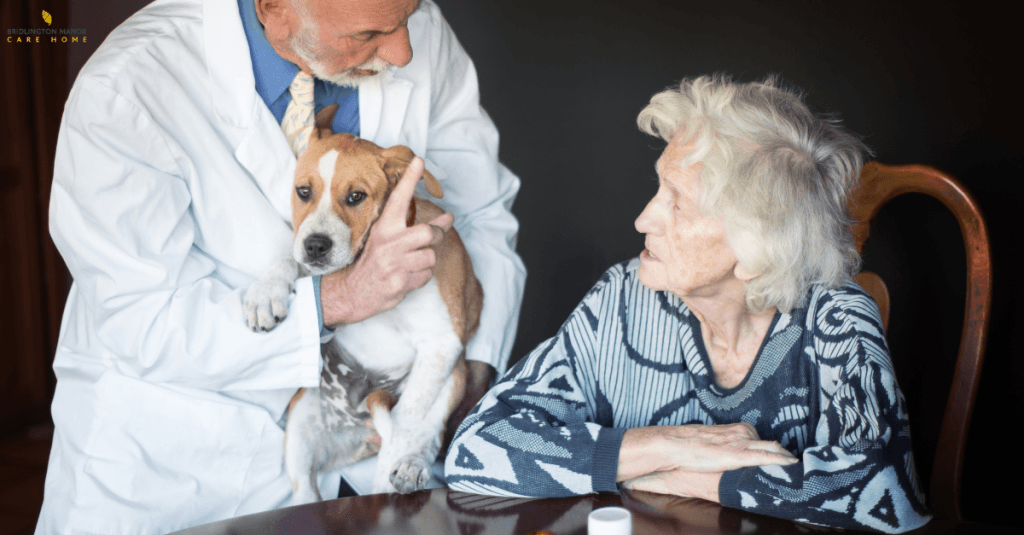
Pet therapy is a valuable and enriching addition to the care home environment. The therapeutic benefits ranging from emotional support and cognitive stimulation to physical health improvements and social engagement. This make it an essential tool in enhancing the quality of life for elderly residents. As care homes continue to prioritize holistic care, pet therapy offers a unique way to address the diverse needs of residents. This can foster happiness, health and connection in a warm and supportive setting. For residents who participate in pet therapy, these animals provide more than just companionship they offer comfort, joy and a meaningful connection to the world around them. As pet therapy continues to grow in popularity, its impact on the care home community is undeniable. It paves the way for happier, healthier and more engaged residents.