
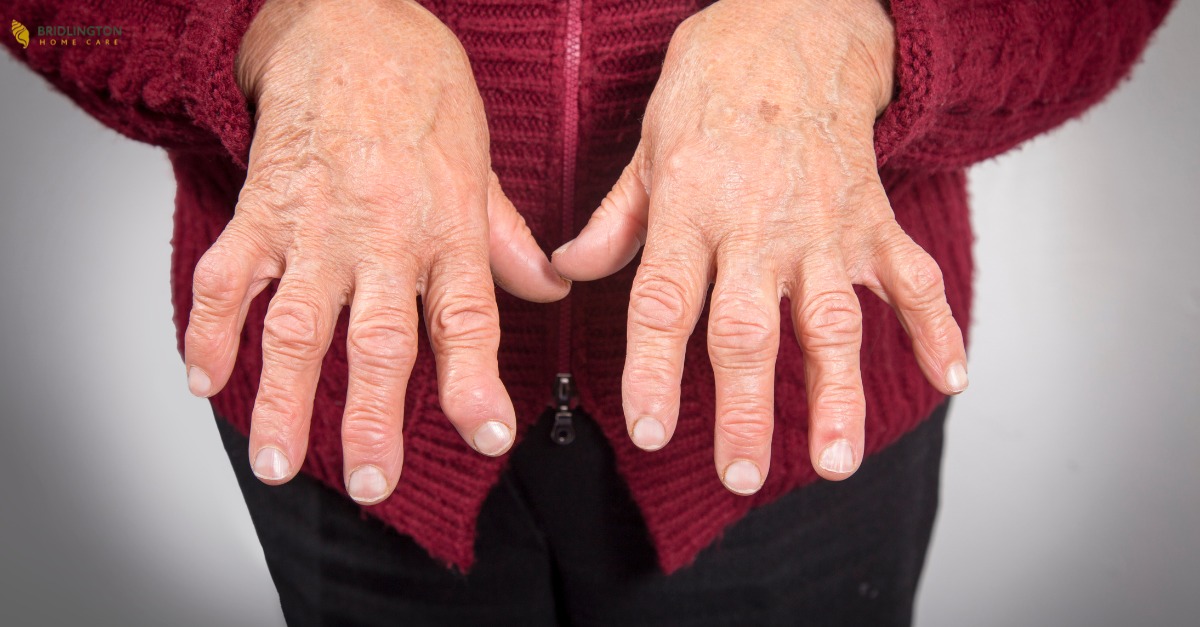
Arthritis is one of the most common health concerns among the elderly, affecting millions in the UK. This chronic condition can significantly impact an individual’s mobility, independence and quality of life. For care homes, understanding arthritis and implementing tailored care strategies is essential for providing a comfortable and supportive environment for elderly residents.
WHAT IS ARTHRITIS ?
Arthritis is not a single disease, it is a group of conditions that cause pain, stiffness and inflammation in the joints. There are over 100 types of arthritis exist, the most common ones affecting older adults include Osteoarthritis, gout and rheumatoid arthritis. Osteoarthritis referred to as wear-and-tear arthritis, it occurs due to the breakdown of cartilage, leading to pain and stiffness, particularly in weight-bearing joints like the knees, hips and spine. An autoimmune condition where the body’s immune system attacks joint tissues, causing inflammation, swelling and deformity is defined as Rheumatoid arthritis. Gout caused by the build up of uric acid crystals in the joints, often affecting the big toe, resulting in sudden severe pain.
PREVALENCE OF ARTHRITIS AMONG THE ELDERLY IN THE UK
According to the Arthritis and Musculoskeletal Alliance, approximately 10 million people in the UK live with arthritis or similar conditions. Among them, the elderly population is disproportionately affected, with nearly half of adults over 65 experiencing symptoms that affect their daily lives.
SYMPTOMS OF ARTHRITIS IN THE ELDERLY
Understanding the symptoms of arthritis disease is vital for early intervention and effective management. Common signs include:
- Persistent joint pain and tenderness.
- Swelling or inflammation around the joints.
- Morning stiffness lasting longer than 30 minutes.
- Reduced range of motion in the affected joints.
- Fatigue and general malaise, particularly in autoimmune types like RA.
Arthritis can profoundly affect an elderly individual’s ability to perform daily activities such as dressing, cooking or walking. If not managed properly, it may lead to loss of independence such as difficulty in carrying out tasks without assistance. Chronic pain can contribute to anxiety, depression and social isolation can emotional well being. Physical health may decline, reduced mobility can lead to muscle atrophy, weight gain, and associated conditions like diabetes or heart disease.
MANAGING ARTHRITIS IN ELDERLY CARE HOMES
Care homes play a pivotal role in enhancing the quality of life for residents with arthritis. Here’s a guide to managing arthritis effectively:
PERSONALIZED CARE PLANS
Developing a care plan tailored to and individual needs ensures they receive appropriate support. This may include:
- Regular pain assessment and management strategies.
- Monitoring physical activity levels.
- Collaborating with healthcare professionals for joint-specific therapies.
PROMOTING PHYSICAL ACTIVITY
Contrary to popular belief, staying active can reduce arthritis symptoms. Activities like:
- Gentle Exercise: Yoga, tai chi and swimming help maintain joint flexibility and strength.
- Physiotherapy: Regular sessions can improve posture, muscle strength and range of motion.
DIETARY INTERVENTIONS
A balanced diet can help manage arthritis symptoms. Nutritional recommendations include:
- Anti-Inflammatory Foods: Omega-3 fatty acids in fish, nuts, and seeds.
- Vitamin D and Calcium: For bone health and reducing joint pain.
- Limiting Purines: Reducing foods like red meat and alcohol can help manage gout.
PAIN MANAGEMENT TECHNIQUES
- Medications: Prescribed by healthcare providers, including NSAIDs, corticosteroids or biologics for severe cases.
- Hot and Cold Therapy: Heat pads and ice packs to relieve stiffness and swelling.
- Complementary Therapies: Acupuncture and massage can reduce pain perception.
ASSISTIVE DEVICES
Providing mobility aids such as canes, walkers and ergonomic furniture can help residents move safely and comfortably.
ROLE OF CARE HOMES IN SUPPORTING MENTAL HEALTH
Living with arthritis can take a toll on mental health. Care homes should focus on:
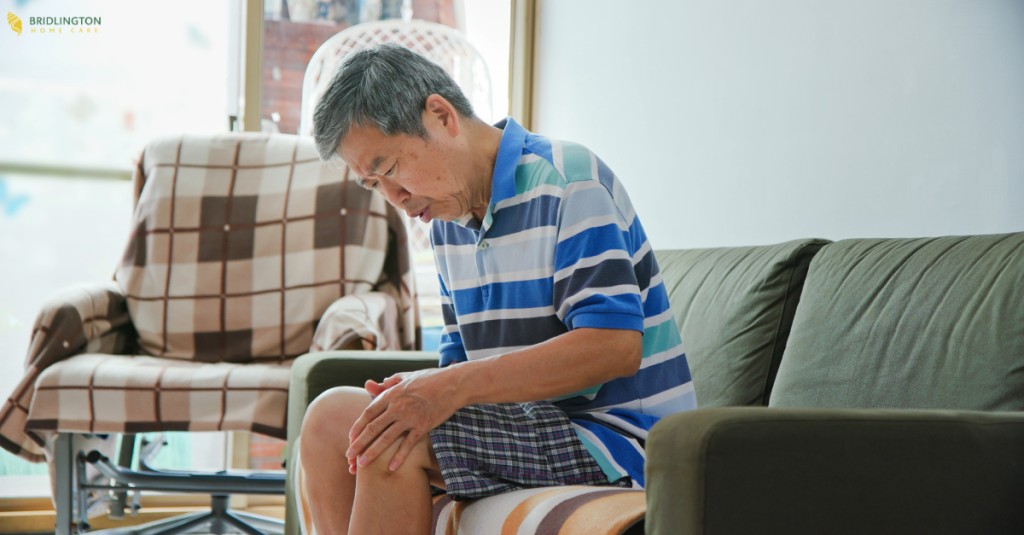
- Counselling Services: Access to therapists who specialize in chronic illness management.
- Social Activities: Encouraging participation in group events to combat isolation.
- Mindfulness and Relaxation Techniques: Guided meditation or breathing exercises to alleviate stress.
MODERN ADVANCES IN ARTHRITIS MANAGEMENT
Care homes should stay updated with advances in arthritis care, such as:
- Biological Treatments: Targeted therapies for autoimmune conditions like RA.
- Minimally Invasive Surgeries: Joint replacements or repairs with quicker recovery times.
- Wearable Devices: Smart technology to monitor joint activity and pain levels.
PREVENTING ARTHRITIS PROGRESSION
While some forms of arthritis cannot be entirely prevented, lifestyle changes can slow disease progression:
- Maintaining a healthy weight to reduce stress on joints.
- Staying physically active to preserve joint function.
- Avoiding smoking, which worsens RA symptoms.
FAQs ABOUT ARITHRITIS IN THE ELDERLY
1. What is the best treatment for arthritis in older adults?
The treatment depends on the type of arthritis but often includes medication, physical therapy and lifestyle changes.
2. Can arthritis be cured?
While arthritis cannot be cured, its symptoms can be managed effectively with early intervention and proper care.
3. How do care homes help with arthritis?
Care homes provide tailored support, including pain management, mobility aids and social engagement, ensuring residents live comfortably.
4. What foods should arthritis patients avoid?
Limit sugar, red meat and alcohol, which can increase inflammation and worsen symptoms.
5. Are there alternative therapies for arthritis?
Yes, therapies like acupuncture, massage and hydrotherapy have shown promising results in relieving arthritis pain.
Arthritis is a common challenge among the elderly, but with the right care and management, its impact can be minimized. Care homes in the UK play a vital role in providing holistic support for residents with arthritis, from personalized care plans to advanced pain management techniques. By fostering a supportive and understanding environment, care homes can significantly enhance the quality of life for elderly individuals battling this condition.

If your loved one requires specialized arthritis care we offers tailored services to ensure comfort, independence and well-being. Contact us today to learn more!