
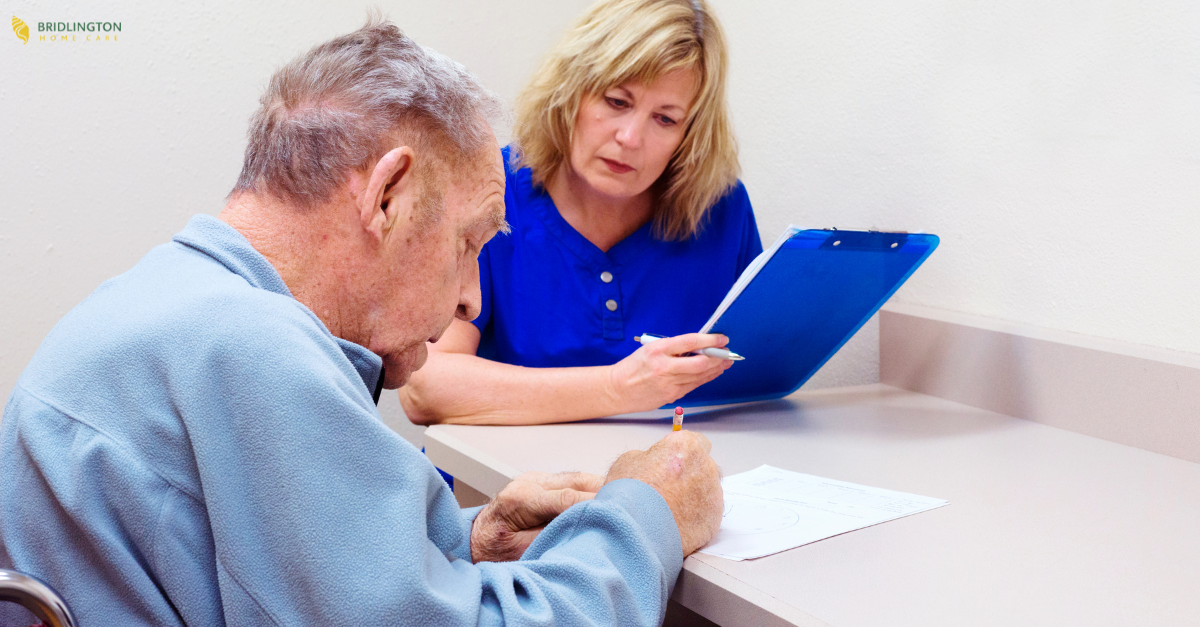
Cognitive behavioural therapy is a popularly recognized and evidence based psychotherapeutic approach that addresses a range of mental health challenges. The structured and practical methods of CBT is particularly effective for individuals facing anxiety, depression and other emotional difficulties. In the care home setting, where residents often confront the complexities of aging, loss and chronic health conditions, CBT can be a transformative tool to enhance mental well-being and quality of life.
WHAT IS COGNITIVE BEHAVIOURAL THERAPY ?
Cognitive behavioural therapy is a form of therapy that aims at identifying and changing negative thought patterns and behaviours that contribute to emotional distress. Developed in the 1960s by Dr. Aaron T. Beck, CBT is grounded in the principle that thoughts, feelings and behaviours are interconnected. By challenging unhelpful beliefs and adopting healthier coping mechanisms, individuals can achieve emotional relief and behavioural change.
Unlike traditional psychotherapy, which delves deeply into past experiences, CBT is solution-focused and emphasizes the present. Its structured nature makes it an ideal approach for older adults, as it can be tailored to address specific concerns within a relatively short timeframe.
WHY IS CBT RELEVANT IN CARE HOMES?
Care home helps individuals to create significant life transitions. This population may face unique emotional and psychological challenges, including:
FEELINGS OF ISOLATION: Residents often experience loneliness due to reduced contact with family and friends.
HEALTH RELATED ANXIETIES: Chronic conditions, physical disabilities and declining cognitive abilities can create stress and fear.
LOSS ANF GRIEF: Many individuals grapple with the loss of loved ones, independence or their homes.
ADJUSTMENT ISSUES: Transitioning to a communal living environment can be tough.
CBT can help residents address these issues by offering tools to manage negative thought patterns and develop constructive coping mechanisms. Furthermore, it empowers residents to take an active role in their emotional well-being, fostering resilience and self-efficacy.
BENEFITS OF CBT IN CARE HOME SETTINGS
CBT offers numerous advantages for care home residents,

IMPROVES MENTAL HEALTH
CBT is particularly effective in treating depression, anxiety and post-traumatic stress disorder (PTSD). For residents who may feel overwhelmed by health concerns or social isolation, CBT provides a pathway to regain a sense of control and purpose.
ENCOURAGES POSITIVE THINKING
The structured approach of CBT helps residents reframe negative thoughts. For example, a resident who believes, “I’m a burden to everyone,” can learn to recognize this as a cognitive distortion and replace it with a more balanced perspective, such as, “I contribute in meaningful ways.”
FOSTERS BETTER COPING MECHANISMS
CBT equips residents with practical skills to handle stressors. Techniques like relaxation exercises, problem-solving and mindfulness can improve emotional regulation and enhance resilience.
ENHANCES RELATIONSHIPS
By addressing negative communication patterns and fostering empathy, CBT can improve interpersonal relationships within the care home community. This contributes to a more supportive and harmonious living environment.
SUPPORT PHYSICAL HEALTH MANAGEMENT
CBT can help individuals to adopt healthier behaviours, such as adhering to medical regimens or engaging in physical activity. For individuals managing chronic pain, CBT techniques like cognitive restructuring and distraction can alleviate discomfort.
KEY TECHNIQUES USED IN CBT
CBT incorporates a variety of evidence based techniques that are adaptable to the care home settings.
COGNITIVE RESTRUCTURING
This technique involves identifying and challenging negative thought patterns. For example, a resident who fears socializing might believe, “No one will like me.” Through CBT, they learn to question this assumption and test it by engaging in small social interactions.
BEHAVIOURAL ACTIVATION
Encouraging residents to engage in activities that bring joy or a sense of accomplishment can counteract feelings of empathy. For instance, participating in art classes, gardening or group exercises can help residents reconnect with meaningful experiences.
MINDFULNESS BASED STRATEGIES
Mindfulness techniques, such as deep breathing and guided meditation, help residents stay present and reduce anxiety. These practices are especially beneficial for individuals who ruminate on past regrets or worry excessively about the future.
EXPOSURE THERAPY
For residents with specific fears, such as falling or interacting with strangers, gradual exposure to the feared situation can reduce avoidance behaviours and build confidence.
PROBLEM SOLVING TRAINING
CBT encourages residents to approach challenges systematically. This can be especially useful for addressing practical concerns, such as managing finances or resolving conflicts with other residents.
ADAPTING CBT FOR OLDER ADULTS IN CARE HOMES
While CBT is highly adaptable, certain alteration can enhance its effectiveness for older adults,
SIMPLIFIED LANGUAGE AND CONCEPTS
Therapists should use clear and concise language, avoiding jargon. Visual aids and written materials can reinforce key concepts.
FOCUS ON PRACTICAL APPLICATION
Older adults may prefer therapy sessions that emphasize actionable solutions over abstract discussions. CBT exercises can be tailored to address specific day-to-day challenges.
INCORPORATING LIFE EXPERIENCE
Residents often have rich life histories that can inform therapy. Therapists can use these experiences to contextualize discussions and highlight strengths.
ADDRESSING SENSORY OR COGNITIVE IMPAIRMENTS
For residents with hearing, vision, or memory challenges, therapists can employ strategies like written handouts, larger print materials or reminders to reinforce learning.
FLRXIBILITY IN DELIVERY
CBT sessions can be conducted individually, in groups or even through digital platforms. Group therapy, in particular, can foster a sense of community and shared understanding among residents.
CBT AND CARE HOME STAFF
In addition to benefiting residents, CBT principles can support care home staff in their roles. Training staff in basic CBT techniques equips them to:
- Recognize signs of emotional distress in residents.
- Offer immediate, practical support during challenging situations.
- Manage their own stress and avoid burnout.
By integrating CBT into staff training, care homes can create an emotionally supportive environment for both residents and employees.
CHALLENGES IN IMPLEMENTING CBT IN CARE HOMES
Despite its benefits, implementing CBT in care homes can present challenges:
RESOURCE CONSTRAINTS
Limited availability of trained therapists can hinder access to CBT. Collaborative efforts with local mental health services or online resources may alleviate this issue.
RESIDENT RELUCTANCE
Some residents may feel hesitant to engage in therapy due to stigma or unfamiliarity with the process. Gentle education and encouragement can help overcome these barriers.
COGINITIVE DECLINE
Residents with dementia or severe cognitive impairments may require modified CBT approaches. Therapists can focus on behavioural strategies and caregiver involvement.
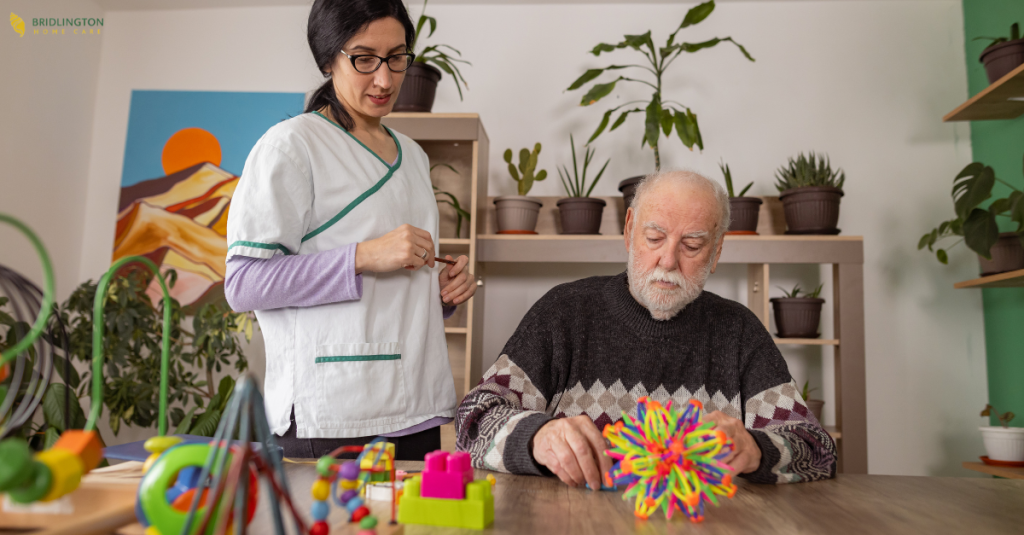
Cognitive Behavioural Therapy is a powerful tool for improving mental health and enhancing the overall well-being of care home residents. Its structured and adaptable approach makes it well-suited to address the unique challenges faced by older adults. By integrating CBT into care home practices, facilities can foster a supportive environment that empowers residents to thrive emotionally, socially and physically.
As the demand for mental health services in care homes continues to grow, adopting innovative CBT strategies will be essential. Whether through one-on-one sessions, group therapy or digital platforms, CBT offers a pathway to a brighter and more fulfilling future for residents and staff alike.