

Living with a chronic condition can be overwhelming, but it doesn’t have to define your life. As individuals age, the likelihood of living with one or more chronic conditions increases. According to the World Health Organization (WHO), chronic conditions including heart disease, diabetes and arthritis are among the most common causes of disability and reduced quality of life for older adults. Managing these conditions is important to maintaining the health, comfort and dignity of their loved ones.
This blog explores how care home setting managing chronic conditions, offering insights for families, caregivers and healthcare professionals. By understanding these conditions, adopting tailored care plans and working closely with the care home staff, it is possible to enhance the quality of life for residents and ensure they receive the best possible care.
WHAT ARE CHRONIC CONDITIONS ?
Chronic conditions are long term health issues that typically progress slowly and can persist for years or even a lifetime. Examples of common chronic conditions in older adults include:
- Heart disease
- Diabetes
- Chronic obstructive pulmonary disease (COPD)
- Arthritis
- Dementia
- Hypertension
- Parkinson’s disease
These conditions often require ongoing medical attention and lifestyle adjustments to prevent complications and reduce symptoms. In a care home setting, a proactive approach to managing these conditions is essential to improve both physical and mental well-being.
THE ROLE OF CARE HOMES IN MANAGING CHRONIC CONDITIONS
Care homes play a major role in providing on going care for residents with chronic conditions. Unlike hospitals, care homes offer more personalized and holistic approach. We focus on long term care and daily management. Here are the key ways care homes contribute to managing chronic conditions.
PERSONALIZED CARE PLANS
Every resident with a chronic condition need special care plan that are made for their unique needs. These plans take into account the resident’s medical history, current health status and preferences. The care plan typically includes:
- MEDICATION MANAGEMENT: Ensuring systematic and accurate administration of prescribed medications.
- DIETARY CONSIDERATION: Implementing diets that align with the resident’s medical condition (eg: low-sodium for hypertension, diabetic-friendly meals)
- EXERCISE AND MOBILITY SUPPORT: Providing physical therapy and activities that promote mobility and joint health, tailored to each individual’s ability.
- REGULAR HEALTH ASSESSMENT: Monitoring the resident’s condition to identify early signs of deterioration or improvement.
ACCESS TO MEDICAL PROFESSIONALS
We works with a variety of healthcare professionals such as doctor, nurses and specialists to provide regular medical check-ups and treatment changes. This continuing monitoring helps to identify potential complications before they become serious, ensuring that the residents health is systematically checked.
MEDICATION MANAGEMENT
The important aspects of managing chronic conditions is to adhering to complex medication regimens. We provide sufficient training to our staff to ensure that residents take their medications at the correct dosage and at the appropriate times, minimizing the risk of missed doses or drug interactions.
PAIN MANAGEMENT
Chronic conditions often come with chronic pain, whether from arthritis, neuropathy or other ailments. Care homes have dedicated strategies in place to manage and alleviate pain. This can include the administration of pain-relief medications, physical therapy and alternative methods like massage or heat therapy.
EMOTIONAL AND MENTAL HEALTH SUPPORT
Chronic conditions can affect mental health of individuals which will leads to the feeling of frustration, anxiety or depression. We provide emotional support through counselling, companionship and engaging activities designed to promote mental wellness. Staff are trained to recognize signs of depression or cognitive decline, enabling them to intervene early.
KEY STRATEGIES FOR MANAGING SPECIFIC CHRONIC CONDITIONS
Every chronic condition is different from one another. But there are some general strategies that care homes employ to ensure that residents receive the best care possible. Here are some condition-specific strategies.

HEART DISEASE
People who are dealing with heart disease require a diet low in fat and sodium, regular physical activity and close monitoring of blood pressure. We also ensure that medications like blood thinners or beta-blockers are administered properly. In addition, staff are trained to recognize the signs of heart failure or stroke, so they can act swiftly in case of emergencies.
DIABETES
Managing diabetes in a care home involves careful monitoring of blood sugar levels, administering insulin or other medications and promoting a balanced diet. Our staff ensure that meals are appropriately timed to align with medication schedules, reducing the risk of blood sugar spikes or drops. Residents with diabetes also receive foot care to prevent complications like ulcers or infections.
COPD
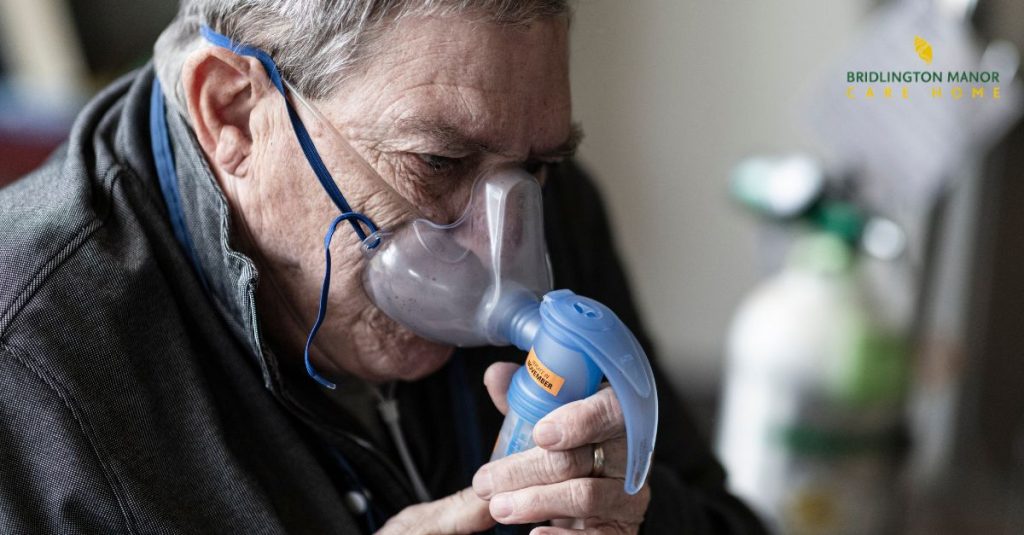
For residents with COPD, respiratory health is top priority. We ensure access to oxygen therapy if needed and encourage breathing exercises to strengthen lung function. Avoiding triggers like cigarette smoke or respiratory infections is essential. Professional caregivers are there to recognize early signs of respiratory distress and provide immediate care.
ARTHRITIS
Residents suffering from arthritis require pain management strategies and support for mobility. Care homes may provide physical therapy, access to warm baths or hydrotherapy and assistive devices to reduce the strain on joints. Regular exercise, even low-impact activities, can help maintain joint flexibility and reduce pain.
DEMENTIA
Managing dementia involves not only addressing memory loss but also coping with changes in behaviour, mood swings and confusion. Care homes provide a structured and supportive environment with routines that help reduce anxiety for dementia patients. Staff receive specialized training in dementia care, which includes creating memory aids, using calming techniques and ensuring the resident’s safety.

Managing a chronic condition is a lifelong journey but with the right care home assistance in place you can live a healthy fulfilling life. While care homes provide essential services, family members also play a important role in managing chronic conditions. Regular communication with the care home staff helps ensure that the care plan aligns with the family’s expectations and the resident’s personal preferences. Visiting frequently and staying engaged in the resident’s care journey can offer emotional support and ensure that the resident’s voice is heard when making important decisions.
Families should remain actively involved, working with the care home to ensure that their loved ones receive the best possible care. With the right strategies in place, it’s possible to manage chronic conditions in a way that supports dignity, comfort, and long-term health.


COGNITIVE BEHAVIOURAL THERAPY - Bridlington Manor says:
[…] In the care home setting, where residents often confront the complexities of aging, loss and chronic health conditions, CBT can be a transformative tool to enhance mental well-being and quality of […]
Physiotherapy Improves Mobility and Independence? says:
[…] Manage chronic conditions […]