
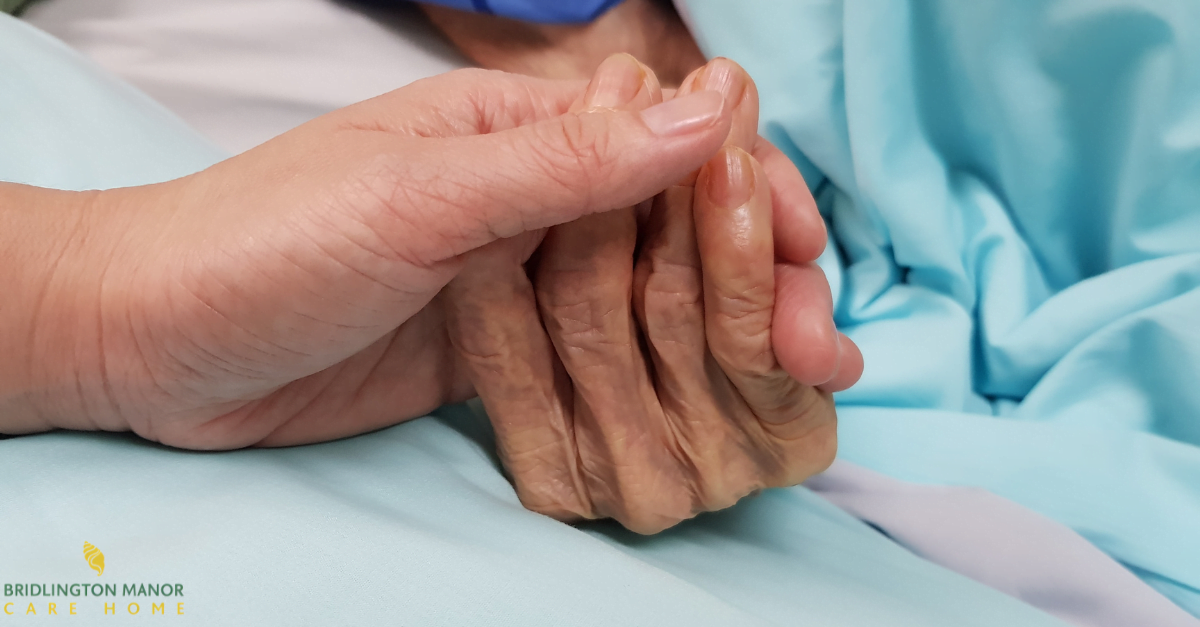
The most emotional and challenging aspect of caring for our loved ones is navigating palliative and end of life care. These stage require not only physical care but also emotional, psychological and spiritual support. These supports ensures that individuals live their remaining days with great dignity, comfort and as much peace possible. This blog explores the critical aspects of palliative and end-of-life care, their importance and how care homes can provide a supportive environment for residents and their families during these sensitive times.
WHAT IS PALLIATIVE CARE ?
Palliative care is the process of medical care for the people with serious illnesses. The design is to improve the quality of life for both the patient and their family by addressing their physical, emotional, social and spiritual needs. Unlike curative treatments that focus on cure the illness, palliative care is about providing relief from the symptoms and stress of the illness. The primary goal is to improve the quality of life for both the patient and their family. This type of care can be provide at any stage of illness and has no limit to those at the end of life. It is a compassionate approach that supports patients in living as fully and comfortably as possible.
KEY COMPONENTS OF PALLIATIVE CARE

SYMPTOM MANAGEMENT
The symptoms that are unavoidable like pain, breathlessness, fatigue, nausea and other distressing symptoms are managed effectively. At this point medications, therapies and holistic treatments are used to keep the patient comfortable.
EMOTIONAL AND PSYCHOLOGICAL SUPPORT
In the end of life both patients and families experience anxiety, depression and fear. Palliative care comes with the solutions like counselling, therapy and supports groups to address these emotions.
SPIRITUAL CARE
Many people are occupy with their spiritual life, at end of the life it brings spiritual questions and concerns. Palliative care includes access to chaplains or spiritual advisors who can provide comfort.
COORDINATION OF CARE
Palliative care involves a multidisciplinary team including doctors, nurses, social workers and therapists. This efficient team works together to create a cohesive care plan tailored to the patients needs.
COMMUNICATION
Open and honest communication about the patient’s condition, prognosis and care preferences is essential. This involves discussions about the patient’s goals, advanced care planning, and decisions about life-sustaining treatments.
WHAT IS END OF LIFE CARE ?
End-of-life care is a part of palliative care, but it is particularly focuses on the final weeks or months of life. The objective is to ensure that the person experiences the least amount of pain and discomfort possible while also supporting them and their family through the final stages of life.
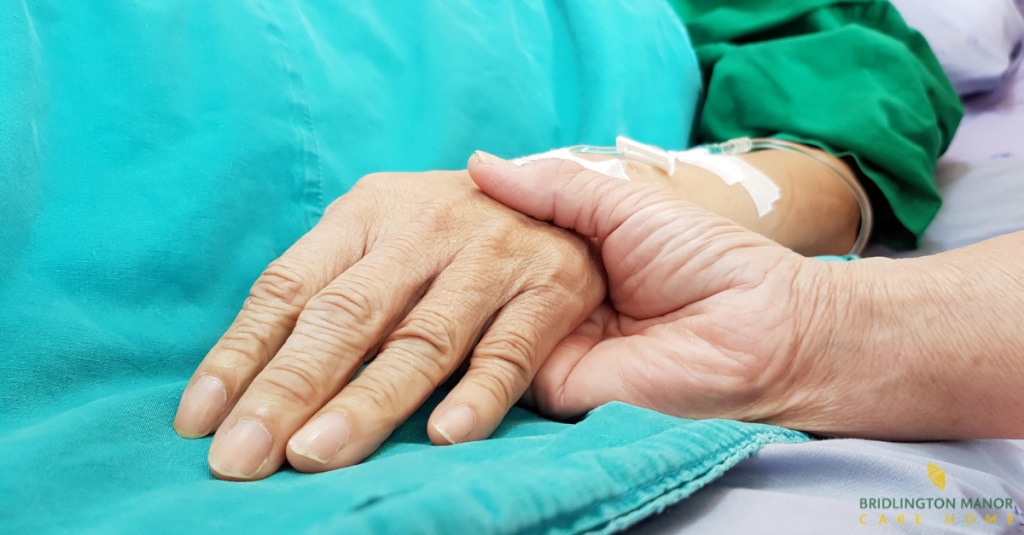
ELEMENTS OF END OF LIFE CARE
PHYSICAL COMFORT
At the end of the life it is more critical to manage pain and other distressing symptoms. Care team works around the clock to ensure that the patients is comfortable as possible.
EMOTIONAL AND MENTAL WELL BEING
The reality of death brings a emotional roller-coaster, at this stage it is very important to provide psychological support to both the patient and their family.
DIGNITY AND RESPECT
It is crucial and kind to respect the wishes of the patient, we must ensure they maintain their dignity. This includes respecting their preferences about where they want to spend their final days, whether at home, in a hospital or in a care home.
SUPPORT FOR FAMILIES
End of life care extends beyond the patient, offering families counselling, support and assistance in making practical arrangements. Bereavement support is also a key component helps the families to cope with the loss.
SPIRITUAL AND CULTURAL CONSIDERATION
Respecting the patient’s cultural and spiritual beliefs is vital. Care homes should offer resources and support that align with these beliefs, ensuring that the patient’s final wishes are honoured.
WHY CARE HOMES ARE IDEAL FOR PALLIATIVE AND END OF LIFE CARE ?
Care home is a ideal environment where palliative and end of life care can manage effectively. Their specialized staffs and resources makes care homes the best place for palliative and end of life care.For many families, knowing that their loved one is in a place where they are receiving the best possible care brings immense relief.
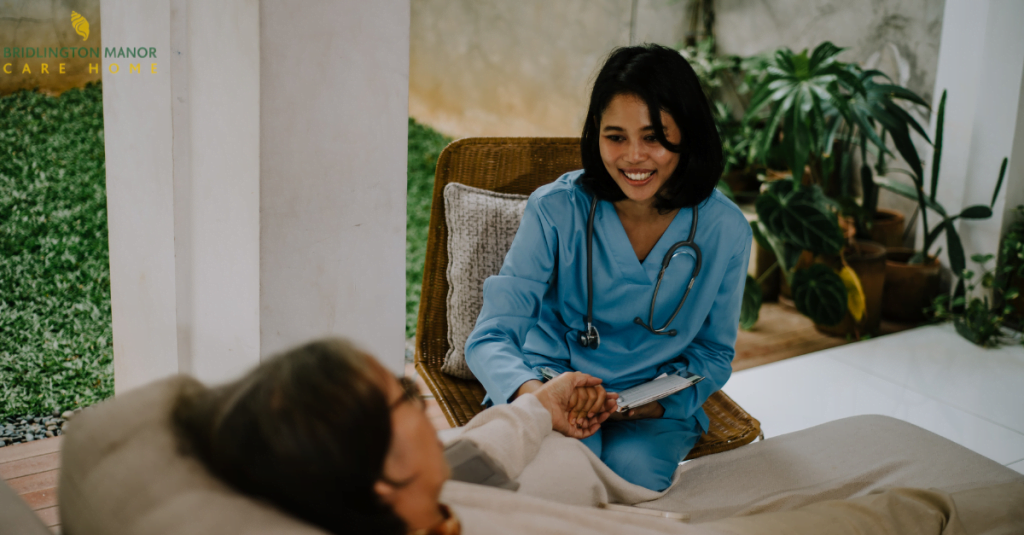
SPECIALIZED STAFFS
Care homes often have staff trained in palliative care, ensuring that residents receive expert symptom management and emotional support.
HOLISTIC APPROACH
The design of care home environment is to be comforting and supportive, with a focus on holistic care that addresses physical, emotional and spiritual needs.
FAMILIARITY AND COMFORT
Residents who have been living in the care home often feel more comfortable in familiar surroundings. Being cared by staff they know and trust can make the end-of-life experience less daunting.
SUPPORT FOR FAMILIES
Care homes provide a supportive space for families to spend time with their loved ones. The availability of on-site counselling and support groups can help families navigate the complexities of end-of-life care.
CONTINUITY OF CARE
Care homes ensure continuity of care, meaning that the same team who has been caring for the resident continues to do so as they approach the end of life. This consistency can be comforting for both the resident and their family.
CHALLENGES AND CONSIDERATIONS IN PALLIATIVE AND END OF LIFE CARE
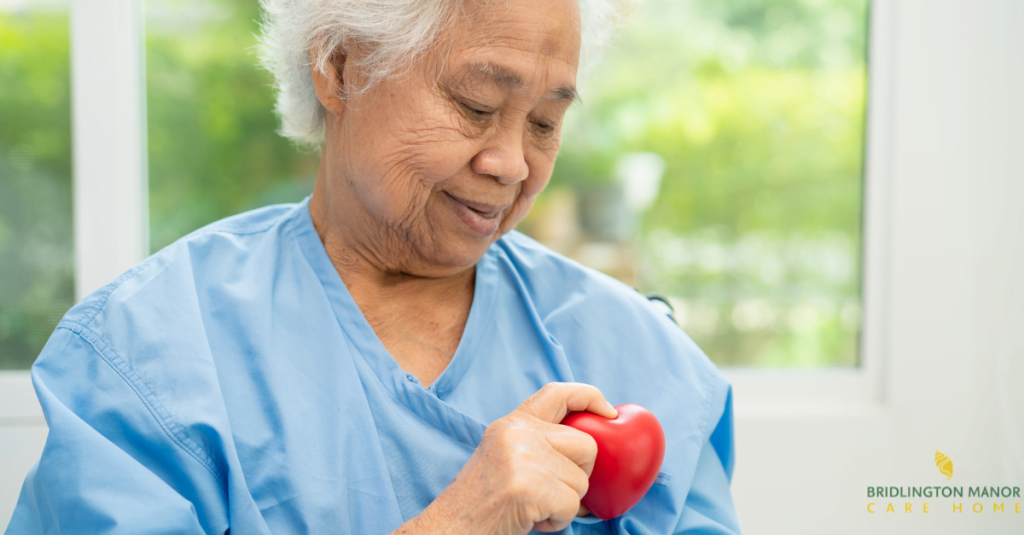
ETHICAL CONSIDERATION
- DECISION MAKING
One of the most challenging aspects of end of life care is making decision about the continuation or withdrawal of treatment. Advance directives and living wills are important tools in ensuring that the patients wishes are respected.
- COMMUNICATION
Clear and compassionate communication between the care team, the patient and their family is vital. Because miscommunication can lead to confusion and distress, so it’s essential that everyone involved is on the same page.
- CULTURAL SENSITIVITY
Understanding and respecting the cultural backgrounds of residents is crucial. Care homes should be equippes to handle the diverse cultural needs and practices associated with death and dying.
FAMILY INVOLVEMENT
- SUPPORTING FAMILY MEMBERS
Families often struggle with the impending loss of a loved one, and care homes play a crucial role in offering them support. Encouraging family involvement in the care process can be therapeutic for both the patient and their loved ones.
- BEREAVEMENT CARE
Post-death support is as important as the care provided during the patient’s life. Care homes should offer bereavement services, including counselling and support groups to help families cope with their grief.
HOW CARE HOMES ENHANCING THEIR PALLIATIVE AND END OF LIFE CARE ?
IMPLEMENTING BEST PRACTICES
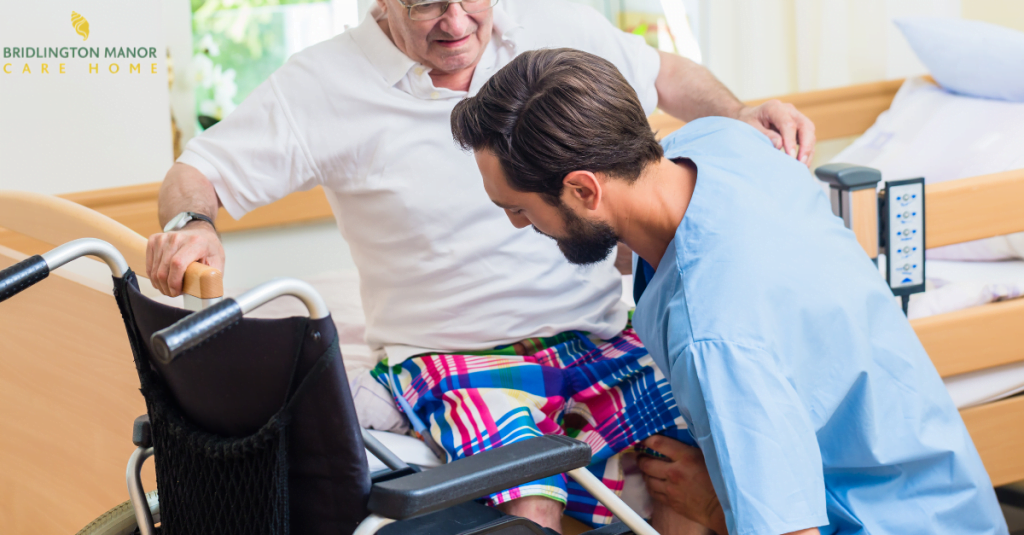
Every resident should have a personalized care plan that satisfy their individual needs, preferences and wishes. These plans should be regularly reviewed and updated as the residents conditions changes. A multidisciplinary team approach ensures that all aspects of the resident’s care are addressed. Regular team meetings to discuss the resident’s condition and adjust care plans accordingly are conducted. Continuous education for staff on the latest palliative care practices to improve the quality of care provided.
ENHANCING COMMUNICATION
Regular meetings with the resident’s family can help keep them informed about their loved one’s condition and care plan. These meetings also provide an opportunity to discuss any concerns or changes in care preferences. Staff are trained to have difficult conversations with residents and their families. Ensuring that these conversations are handles with compassion and clarity can make a significant difference in the overall care experience.
INCORPORATING TECHNOLOGY
Incorporating telemedicine can allow residents to receive specialized care without leaving the comfort of the care home. It also facilitates consultations with palliative care specialists who may not be available on-site. Utilizing digital platforms to manage and update care plans ensures that all team members have access to the latest information. It also allows for better coordination between different members of the care team.
CREATING A SUPPORTIVE ENVIRONMENT
The physical environment in the care home are comfortable and soothing, with spaces that allow for privacy and reflection. Offering a homely atmosphere can help residents feel more at ease during their final days. In addition ensuring that residents have access to spiritual and cultural resources is essential for their emotional and spiritual well-being. This might include having a chapel on-site, providing access to religious leaders or arranging for cultural rituals.
Palliative and end-of-life care are critical components of the services provided by care homes, ensuring that residents can live their final days with dignity, comfort and as much joy as possible. By focusing on personalized care, effective communication and a supportive environment care homes can make a profound difference in the lives of residents and their families.
As we continue to face an aging population, the demand for quality palliative and end-of-life care will only increase. Care homes must rise to the challenge, ensuring they are equippes with the highest standard of care. This not only enhances the quality of life for residents but also solidifies the care home’s reputation as a compassionate and capable provider of elderly care.
In summary, palliative and end-of-life care are about more than just managing symptoms—they are about honouring the individual’s journey, supporting their loved ones, and providing care that is respectful, dignified, and compassionate. By embracing these principles, Bridlington manor care home ensures that care homes are not just places where people live, but places where they are truly cared for until the very end.


HOSPICE CARE - Bridlington Manor says:
[…] Palliative care can be provided at any stage of a serious illness and can be given alongside curative treatments. Its goal is to improve the quality of life by managing symptoms and providing emotional and spiritual support. Palliative care is often employed for patients who may be undergoing aggressive treatments like chemotherapy or surgery but still need help managing the side effects and symptoms of their illness. […]
CARE PLANS IN CARE HOMES - Bridlington Manor says:
[…] cases where a resident is nearing the end of life, the care plan will include details about their end-of-life care preferences. This may involve […]