

Maintaining our health becomes increasingly important as we age. At Bridlington home care, we believe in empowering our residents about seniors health education is the key to promoting their well-being. Seniors health education plays a important role in helping our resident. Seniors health education includes understanding common diseases that affect them and the preventative measures to stay healthy. In this blog post we explain the importants of seniors health education by pointing out some of the common health issues faced by seniors and how can they take some preventative measures to manage them.
COMMON DISEASES IN SENIORS
Seniors frequently contend with a range of chronic and degenerative diseases that significantly impact their health and quality of life. Seniors are more prone to infections such as influenza and pneumonia due to a weakened immune system. Effective management and prevention of these diseases through regular medical check-ups and a healthy lifestyle are crucial for maintaining senior health. Some common diseases and their prevention tips are given below,
HEART DISEASES
Heart diseases are a leading health concern among seniors, significantly impacting their quality of life and longevity. As individuals age, the cardiovascular system undergoes various changes, such as the stiffening of blood vessels and the accumulation of fatty deposits in the arteries. This can lead to conditions like coronary artery disease, heart failure, and arrhythmias. Factors such as hypertension, diabetes, obesity, and a sedentary lifestyle further exacerbate the risk. Early detection and management through lifestyle modifications, regular medical check-ups, and adherence to prescribed medications are crucial in mitigating the effects of heart diseases in the elderly. This will enabling them to maintain a better quality of life and greater independence.

Overview: Heart diseases is the main course of death in seniors. It arises dues to various conditions such as coronary artery disease, heart failure, and arrhythmias.
Prevention: Regular physical activity, a healthy diet, maintaining a healthy weight, and not smoking are the initial steps in preventing heart disease. Regular check-ups to monitor blood pressure and cholesterol levels are also important.
DIABETES
Diabetes is a prevalent and growing concern among seniors, significantly affecting their health and daily living. As people age, the body’s ability to manage blood sugar levels can decline, leading to type 2 diabetes. This condition is often compounded by factors such as obesity, a sedentary lifestyle, and genetic predispositions. Seniors with diabetes face increased risks of complications, including cardiovascular disease, neuropathy, kidney damage, and vision problems. Effective management of diabetes in older adults requires a comprehensive approach that includes regular monitoring of blood glucose levels, a balanced diet, regular physical activity, and adherence to prescribed medications. Early detection and proactive management are vital to prevent complications, improve quality of life, and maintain functional independence for seniors living with diabetes.

Overview: Type 2 diabetes is common among older adults because of when body cannot use insulin properly which lead to high blood sugar level.
Prevention: Through diet and exercise maintain a healthy weigh, monitoring blood sugar levels, and taking prescribed medications can help in managing and preventing diabetes.
OSTEOPOROSIS
Osteoporosis is a common and serious condition among seniors, characterized by weakened bones that are more susceptible to fractures. As individuals age, bone density naturally decreases, but osteoporosis accelerates this process, leading to brittle bones. Factors such as hormonal changes, particularly in postmenopausal women, inadequate calcium and vitamin D intake, sedentary lifestyle, and certain medications can contribute to the development of osteoporosis. Seniors with osteoporosis are at a higher risk of fractures, particularly in the hip, spine, and wrist. This will lead to significant disability, loss of independence, and increased mortality. Preventive measures, including a diet rich in calcium and vitamin D, regular weight-bearing exercise, and medications to strengthen bone density, are crucial in managing osteoporosis. Early diagnosis through bone density screening and proactive treatment can help maintain bone health and reduce the risk of fractures in the elderly.

Overview: Osteoporosis particularly common in postmenopausal women causes bones to become weak and brittle which increase the risk of fractures.
Prevention: Adequate calcium and vitamin D intake, regular weight-bearing exercise and avoiding smoking and excessive alcohol will help maintain bone health.
ARTHRITIS
Arthritis is a prevalent condition among seniors, causing significant pain, stiffness, and reduced mobility. It encompasses various types, with osteoarthritis and rheumatoid arthritis being the most common in older adults. Osteoarthritis results from the wear and tear of cartilage, often affecting weight-bearing joints like the knees, hips, and spine. While rheumatoid arthritis is an autoimmune disorder that primarily targets the joints, leading to inflammation and damage. Risk factors include aging, obesity, joint injuries, and genetic predispositions. Arthritis can severely impact a senior’s quality of life, limiting daily activities and independence. Effective management involves a combination of medication, physical therapy, regular exercise, weight management, and sometimes surgical interventions. Early diagnosis and a comprehensive treatment plan are essential to alleviate symptoms, maintain joint function, and improve overall well-being for seniors living with arthritis.

Overview: This disease affect many seniors particularly osteoarthritis which causes joint pain and stiffness that impacting mobility.
Prevention: Staying active and maintaining a healthy weight will reduce the risk. We cab also manage the symptoms through medication and physical therapy which will help reduce the impact of arthritis.
ALZHEIMER’S DISEASE AND DEMENTIA
Alzheimer’s disease and dementia are significant health concerns among seniors, profoundly affecting their cognitive functions, behavior, and daily living. The most common form of dementia, is a progressive neurological disorder that leads to memory loss, confusion, impaired judgment, and personality changes. In a broader term, encompasses various conditions characterized by cognitive decline, with Alzheimer’s being the predominant cause. Risk factors include aging, genetic predisposition, and lifestyle factors such as poor diet and lack of mental and physical activity. These conditions also place a heavy emotional and physical burden on caregivers and families. There is currently no cure for Alzheimer’s or most forms of dementia, early diagnosis and intervention can help manage symptoms and improve quality of life. Approaches such as medication, cognitive therapies, and supportive care are essential in providing relief and enhancing the well-being of seniors living with these debilitating conditions.
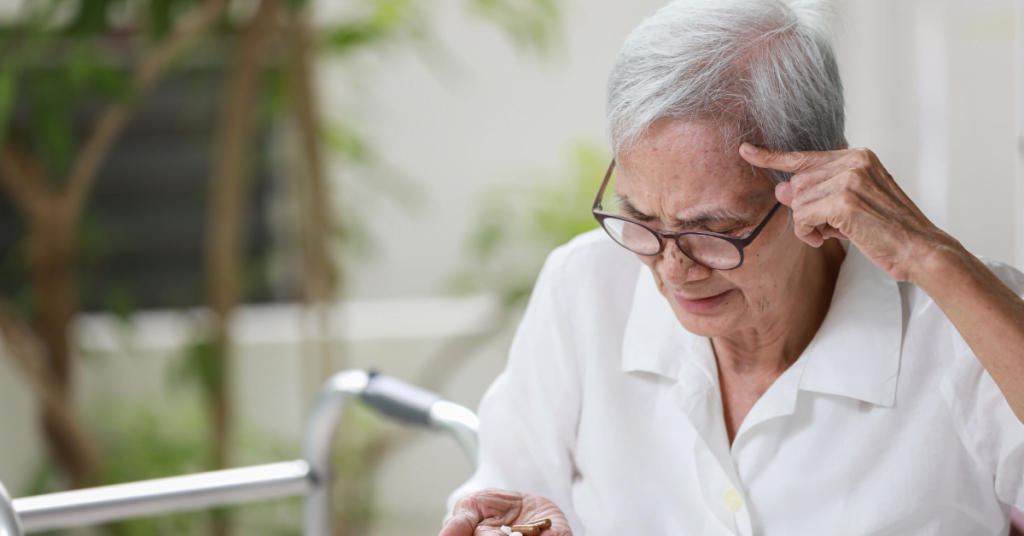
Overview: Alzheimer’s disease is a common form of dementia which affects in memory loss and cognitive decline.
Prevention: There is no sure way to prevent dementia but staying mentally and physically active, eating a healthy diet, and engaging in social activities may helps to reduce the risk.
CHRONIC OBSTRUCTIVE PULMONARY DISEASE (COPD)
Chronic Obstructive Pulmonary Disease (COPD) is a prevalent and debilitating respiratory condition among seniors. COPD is characterized by persistent airflow limitation and breathing difficulties. It encompasses conditions such as emphysema and chronic bronchitis. Moslty these resulting from long-term exposure to irritants like cigarette smoke, air pollution, and occupational dust. Aging further exacerbates the decline in lung function, making seniors particularly vulnerable to COPD. Symptoms include chronic cough, shortness of breath, wheezing, and frequent respiratory infections, significantly impacting their quality of life. Managing COPD in seniors involves a comprehensive approach, including smoking cessation, medications such as bronchodilators and corticosteroids, pulmonary rehabilitation, and supplemental oxygen therapy. Early diagnosis and proactive management are crucial in slowing disease progression, reducing symptoms, and improving overall health and functional status for seniors with COPD.
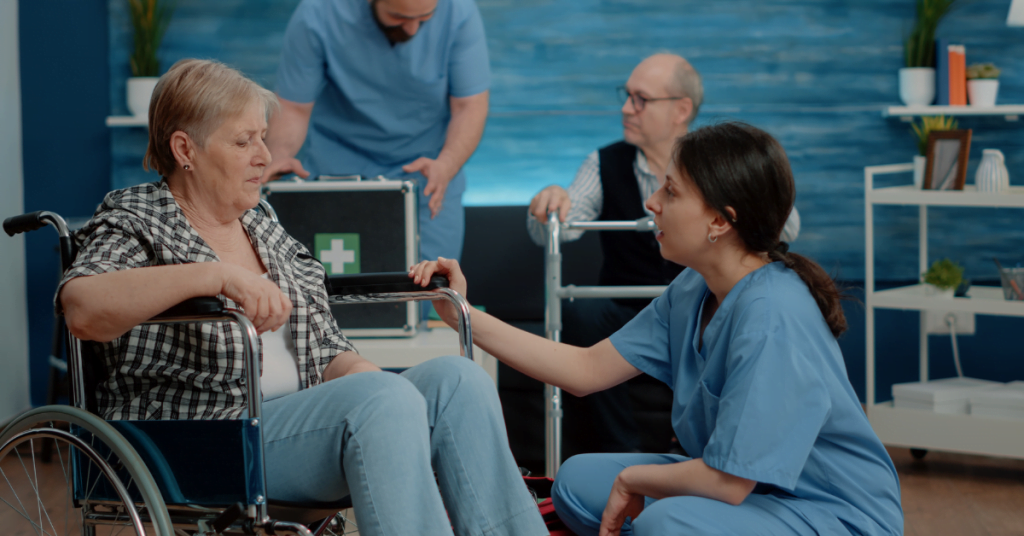
Overview: COPD is a lung condition that causes breathing difficulties. This disease includes emphysema and chronic bronchitis.
Prevention: The key preventive measures are not smoking, avoiding lung irritants, and following medical advice to managing the symptoms.
PREVENTATIVE HEALTHCARE FOR SENIORS
Preventative health care for seniors is crucial in maintaining their health, independence, and quality of life. It involves taking curial steps to maintain health and prevent disease. Here are some essential preventative measures that we emphasize at Bridlington home care:
REGULAR HEALTH SCREENING
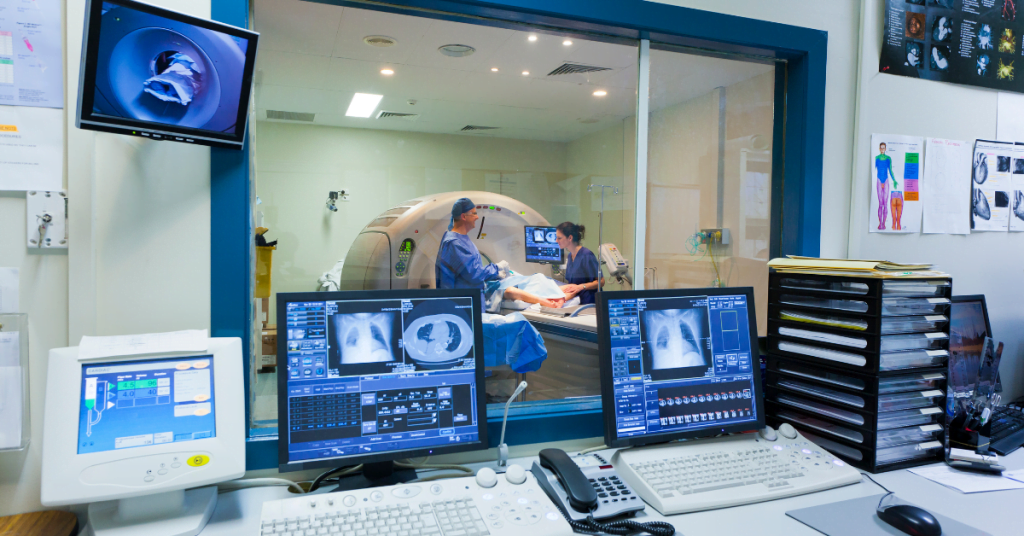
Routine health check are available here for blood pressure, cholesterol, diabetes, and cancer. This will help detect issues early when they are more curable.
VACCINATIONS

Vaccinations such as the flu shot, pneumonia vaccine, and shingles vaccine, is crucial for preventing serious illnesses. We always stay up-to-date in vaccinating our residents.
HEALTHY EATING

We always provide balanced diet rich in fruits, vegetables, whole grains, lean proteins, and healthy fats supports overall health. A balanced diet also helps prevent chronic diseases.
PHYSICAL ACTIVITES AND LFE STYLE

Encouraging healthy habits such as regular exercise helps maintain mobility, strength, and cardiovascular health. Life styles such as walking, swimming, and yoga are best options for seniors which are available at Bridlington.
MENTAL HEALTH CARE

We consider mental health is important as physical health. Activities that stimulate the brain, social interactions, and access to mental health resources with proper sleep are vital components of senior care.
MEDICATION MANAGEMENT

A proper medication management like ours ensures that residents take their prescriptions correctly, avoiding potential side effects and interactions.
HYDRATION

We always ensure adequate fluid intakes. Hydration is essential for maintaining bodily functions and preventing dehydration, may lead to serious health issues.
At Bridlington home care, we are dedicated to providing our residents with the knowledge and resources they need to live healthy, fulfilling lives. By understanding common diseases that affect seniors and adopting preventative health care practices we can help our residents achieve optimal health and well-being that drastically helps in improving the quality of life. Our comprehensive health education system is designed to empower our residents to take control of their health, supported by our team of caring professionals.


SAFETY AND SECURITY IN CARE HOMES - Bridlington Manor says:
[…] management in senior care homes is a critical component of ensuring residents’ health and safety. By implementing following measures, Bridlington care homes help prevent medication […]