
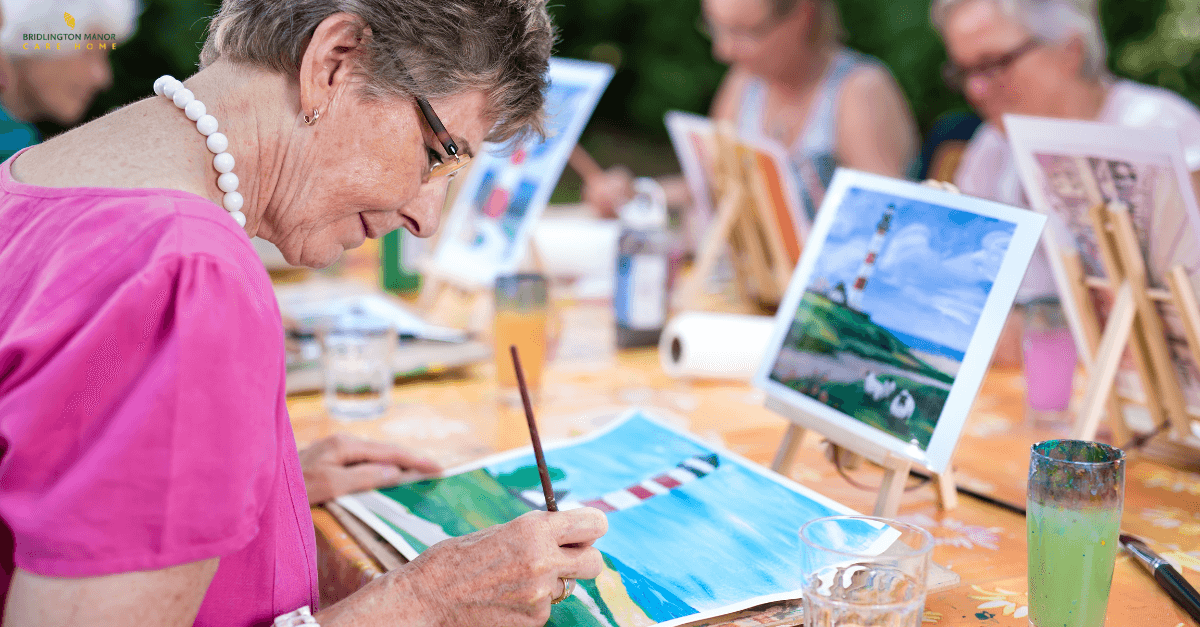
Art therapy is a powerful tools in healthcare settings in care homes. Art therapy in care homes helps the elderly and vulnerable populations benefit from its creative and therapeutic potentials. It offers way for emotional expression, cognitive stimulation and social engagement which are essential in promoting holistic wellbeing. Those residents in care home who struggling with physical health conditions, cognitive decline or emotional isolation.It provides a sense of purpose, relaxation and joy. This blog explores the benefits of art therapy, its application in care homes and why it is a crucial element in enhancing the quality of life for the elderly.
WHAT IS ART THERAPY ?
It is a form of psychotherapy that uses visuals arts as a medium for individuals to express emotions, thoughts and experiences, particularly those difficult to communicate verbally. It allows participants to explore their feelings through drawing, painting, sculpture and other creative activities. Certified art therapists guide individuals through this process, using creative activities to promote healing and personal growth.
In care homes, art therapy is often integrates with daily routines as part of therapeutic activities designed to enhance emotional, cognitive and social wellbeing. It can be used to alleviate symptoms of anxiety, depression and dementia while providing a non-verbal method of self-expression for those who struggle with speech or memory.
WHY ART THERAPY MATTERS IN CARE HOMES
Care homes are the spaces where residents often face physical limitations, emotional stress and feelings of isolation. Many elderly residents have experienced significant life changes such as the loss of independence, mobility and even the loss of loved ones. Art therapy can serve as an effective coping mechanism in such settings, providing a meaningful way to navigate these challenges. Here are some reasons why art therapy is essential in care homes,
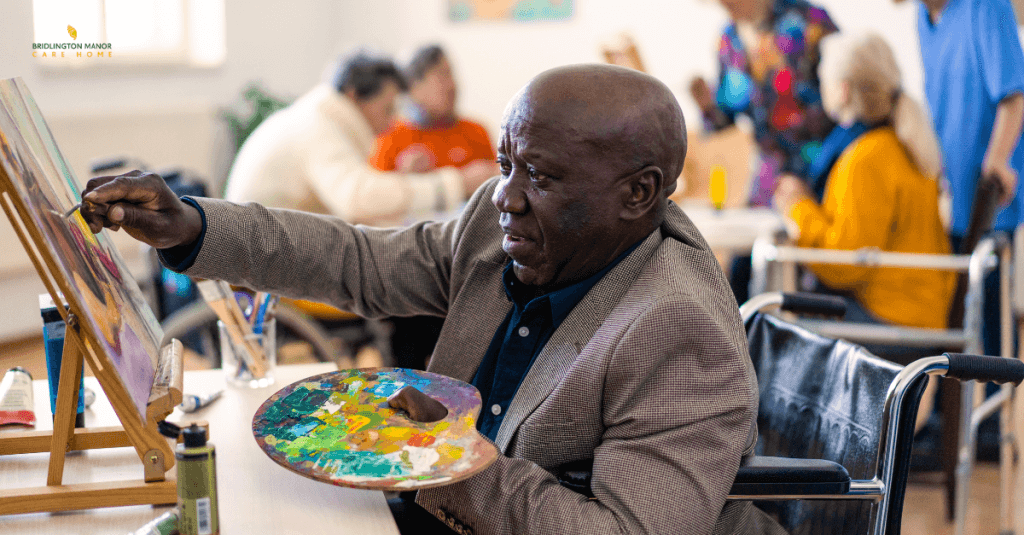
- EMOTIONAL EXPRESSION: Many care home residents struggle with verbal communication, either due to cognitive decline or simply because they have a lifetime of complex emotions to process. It offers a safe space for expressing these feelings, without the need for words.
- REDUCING ANXIETY AND DEPRESSION: Creative expression through art has been linked to reduced stress, anxiety and depression. The act of creating art, focusing on colours, shapes and the creative process, has a calming effect and encourages mindfulness.
- COGNITIVE STIMULATION: Art therapy engages the brain in a way that supports cognitive functions. For residents with dementia or Alzheimer’s disease, creating art can help trigger memories, improve focus and enhance cognitive function. Simple activities such as colouring or moulding clay stimulate both the right and left brain.
- SOCIAL INTERACTION : Many art therapy sessions are conducted in groups, allowing residents to interact with one another, share their experiences and build connections. This social interaction is crucial in preventing loneliness and isolation.
- BOOSTING SELF ESTEEM: Art therapy allows residents to produce something tangible, providing a sense of accomplishment and pride. This can boost self-esteem, which is often affected in elderly individuals, especially those living in care homes.
THE PSYCHOLOGICAL AND EMOTIONAL BENEFITS OF ART THERAPY
Art therapy in care homes helps residents more than we think. It helps psychological and emotional well being of the participants. Here are some of the psychological and emotional benefits,
A NON VERBAL WAY FOR EMOTIONS
Elderly individuals, especially those with communication difficulties, often struggle to express their emotions. Art therapy provides an alternative, non-verbal outlet, enabling residents to communicate deep-seated feelings of loss, grief, frustration or joy. Art becomes a language where colours, shapes and forms convey emotions that words cannot.
SENSE OF IDENTITY
As individuals age, they may feel that their sense of self has diminished, especially when dealing with illness or the challenges of aging. Through creating art, residents can rediscover parts of their identity that may have been overshadowed. Whether it’s through painting a landscape that reminds them of their hometown or drawing images from their memories, It helps reinforce personal identity and history.
THERAPEUTIC REFLECTION
Art therapy encourages introspection. By reflecting on their artwork, residents can process past experiences, unresolved feelings and current emotional states. For some, this reflection offers healing, allowing them to come to terms with past traumas or current realities.
ENHANCED MOOD AND MENTAL HEALTH
Engaging in art therapy stimulates the release of endorphins, the body’s natural feel-good chemicals. This leads to improved mood and a reduction in symptoms of depression and anxiety, which are common among care home residents.
ART THERAPY AND DEMENTIA CARE
Dementia is one of the most prevalent conditions among elderly populations in care homes. With no cure for the disease, care home staff and families are often left seeking alternative ways to provide comfort and support. Art therapy offers one such approach.
ENHANCING MEMORY
Though dementia affect memory and cognitive abilities, art therapy can promise in enhancing residents ability to recall certain aspects of their lives. It often taps into long-term memories, which may remain intact even when short-term memories fade. For instance, when asked to create a piece of art based on their past experiences, many residents can access memories from their childhood or younger adulthood.
REDUCING AGITATION AND BEHAVIOURAL SYMPTOMS
Dementia often brings with it a range of behavioural symptoms, including agitation, confusion and restlessness. Art therapy provides a soothing activity that can help reduce these symptoms. The calming and immersive nature of art-making allows residents to focus their attention and energy on something constructive, reducing instances of agitation.
SUPPORTING COMMUNICATION
As dementia progresses, verbal communication often deteriorates, leaving residents frustrated and isolated. Art therapy gives them an alternative means of communicating their thoughts and emotions. Even abstract shapes and colours can be interpreted as expressions of their inner experiences.
THE SOCIAL ASPECT OF ART THERAPY IN CARE HOMES
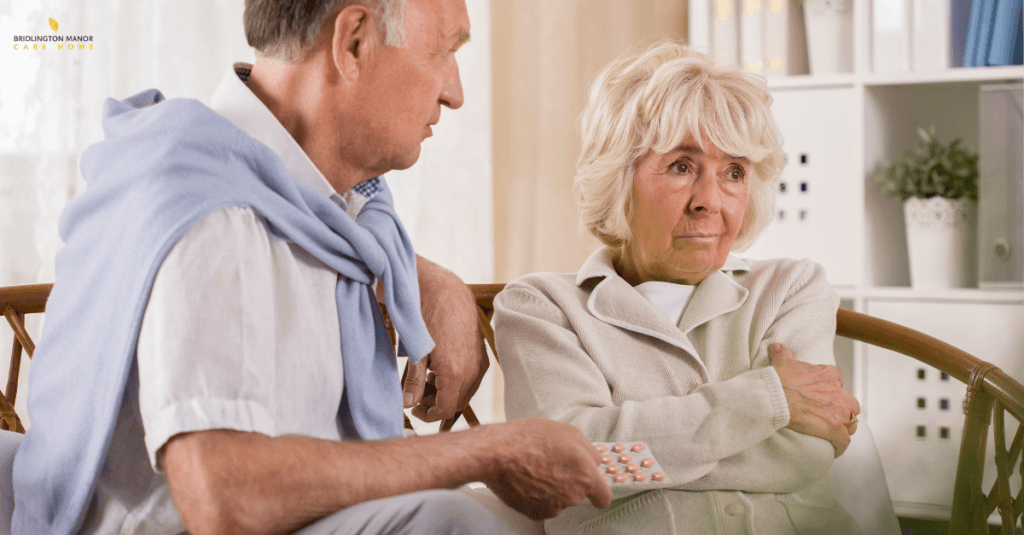
One of the most significant benefits of art therapy in care homes is the way it brings residents together. Isolation is a common challenge in care homes, especially for residents who may not have frequent visitors or those who are unable to participate in physically demanding activities.
BUILDING CONNECTIONS
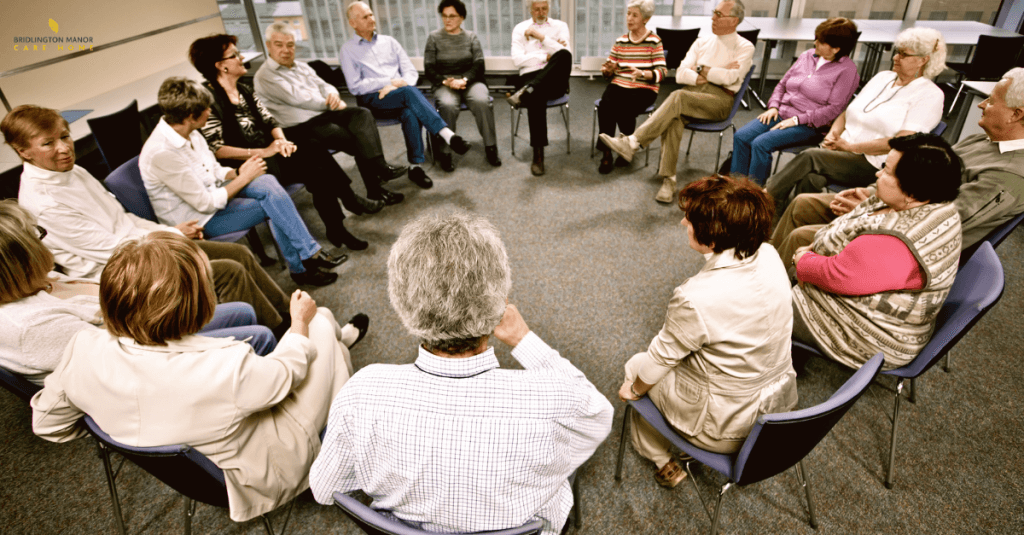
Art therapy sessions are often held in groups, which fosters a sense of community among the participants. Residents can share their artwork, discuss the meanings behind their creations, and even collaborate on group projects. This shared creative process builds social bonds and reduces feelings of loneliness.
PEER SUPPORT
In group art therapy sessions, residents provide each other with support and encouragement. Whether it’s admiring each other’s work or simply enjoying the process together, this social interaction can lead to increased feelings of acceptance and belonging.
INCLUSIVE AND ACCESSIBLE
One of the great advantages of art therapy is its inclusivity. It can adapt to suit the abilities of all residents, regardless of their physical or cognitive limitations. Whether a resident prefers drawing, painting or working with clay, there is always a way to engage them in a way that makes them feel capable and valued.
ART THERAPY IN PALLIATIVE AND END OF LIFE CARE
For residents in palliative or end-of-life care, It can provide comfort and support. It allows these individuals to express emotions that may be too difficult to articulate, such as fear, sadness or acceptance of death. The creative process gives them a sense of control in a time when they may feel that much of their life is out of their hands.
EMOTIONAL COMFORT
For those nearing the end of life, art therapy provides a means of emotional comfort and resolution. It helps them process their emotions, reflect on their lives, and in some cases, leave a legacy. Creating art can provide a sense of peace and accomplishment.
LEGACY AND LIFE REVIEW
Many residents use art therapy as an opportunity to reflect on their lives. They may create pieces that represent important moments, people or values. This form of life review allows residents to process their personal histories and share their stories with others, offering a sense of closure and continuity.
HOW TO IMPLEMENT ART THERAPY IN CARE HOMES
Integrating art therapy in care home requires thoughtful planning and skilled professionals. Here are some steps to consider,
HIRING QUALIFIED ART THERAPISTS
It should be facilitated by trained and certified professionals who understand both the therapeutic and creative processes. These professionals can assess residents’ needs and tailor sessions to meet their emotional, cognitive and physical abilities.
CREATING A SAFE AND SUPPORTIVE ENVIRONMENT
The environment in which art therapy takes place is important. Care homes should provide a comfortable, well-lit, and quiet space where residents can focus on their art without distractions. The space should also be equipped with accessible art supplies that cater to a range of abilities.
INCORPORATING INDIVIDUAL AND GROUP SESSIONS
To meet the varied needs of residents, care homes should offer both individual and group art therapy sessions. Individual sessions provide a more personalized experience, allowing residents to explore their emotions in a one-on-one setting. Group sessions, on the other hand, foster social interaction and peer support.
MAKING ART THERAPY A REGULAR ACTIVITY
For art therapy to have a lasting impact, it should be offered regularly. Whether it’s a weekly session or part of a daily routine, consistency is key to helping residents build trust in the process and reap its full benefits.
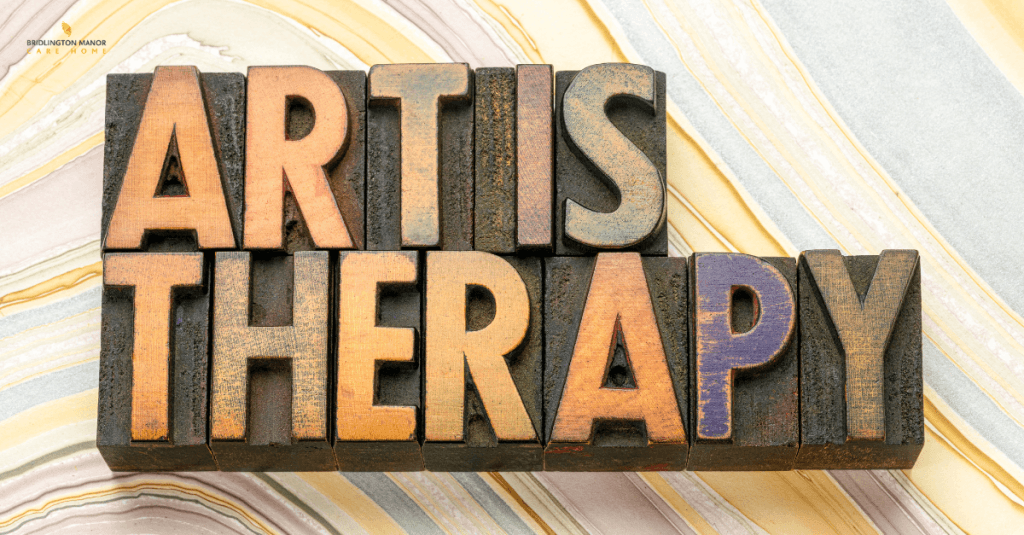
Art therapy in care homes is not just about painting pretty pictures; it’s a vital therapeutic practice that enhances the emotional, cognitive, and social well-being of elderly residents. By providing a creative outlet for self-expression, offering opportunities for social interaction, and supporting cognitive health, It improves the quality of life for those in care homes.
As care homes continue to evolve in their approach to elderly care, integrating art therapy into their services can make a profound difference, offering comfort, connection and a sense of purpose to residents. Whether used to alleviate anxiety, support those with dementia, or provide emotional comfort in palliative care, enriches the lives of elderly individuals in profound ways. By making creative expression a regular part of care home life, these institutions can foster an environment where residents feel valued, heard and emotionally supported. As the demand for compassionate, holistic care grows, It stands out as a meaningful, accessible and effective approach to nurturing the wellbeing of care home residents.

MEMORY CARE - Bridlington Manor says:
[…] such as music therapy, reminiscence therapy and art therapy are central to memory care. These programs stimulate cognitive function, boost mood and foster […]