

In the calm environment of a care home, ensuring the well-being of residents is a top most priority. Aromatherapy is an old way of using natural essential oils to enhance physical and emotional health. This has now emerged as a powerful tool for promoting relaxation and improving quality of life in care settings. As more families in the UK search for holistic care solutions for their loved ones, aromatherapy is gaining attraction for its ability to create a calming and therapeutic environment.
Let’s talk about how aromatherapy can benefit elderly residents, its applications in care homes and why it should be a key consideration for your loved one.
What is Aromatherapy ?
Aromatherapy is a complementary therapy that utilizes the natural extracts from plants. These natural extracts is known as essential oils, to promote health and well-being. These oils can be inhaled, applied topically or used in diffusers to deliver their therapeutic effects.
The practice of aromatherapy taps into the body’s limbic system, the part of the brain responsible for emotions, memories and behaviour. This connection makes it a particularly effective approach for addressing a wide range of emotional and physical conditions, especially among elderly individuals.
Benefits of Aromatherapy for Elderly Residents
Aromatherapy offers great advantages for the elderly which makes it a perfect fit for care homes focused on enhancing residents overall well-being. Some of the key benefits of aromatherapy are;
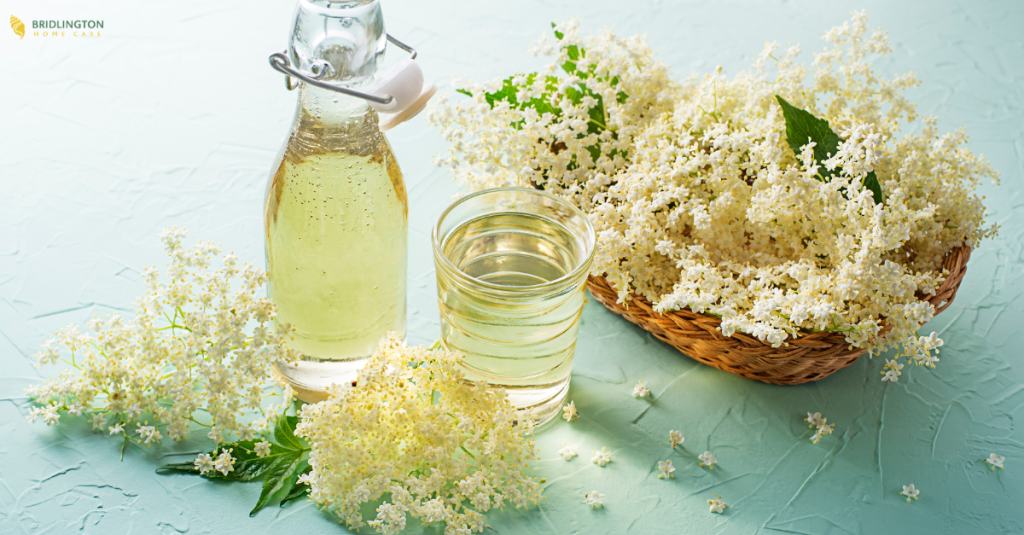
Promotes Relaxation and Reduces Anxiety
Stress and anxiety can directly impact the quality of life, especially for seniors adjusting to a new living environment. Essential oils like lavender and chamomile are renowned for their calming properties, helping to alleviate stress and promote a sense of peace. By diffusing these oils in communal spaces or individual rooms, care homes can create a soothing atmosphere that fosters relaxation.
Improves Sleep Quality
Insomnia and disrupted sleep patterns are common challenges faced by the elderly. Aromatherapy can play a important role in improving sleep schedule. Oils like lavender and sandalwood have natural sedative properties that can help residents fall asleep faster and enjoy deeper, more restorative sleep. This is especially beneficial for individuals dealing with chronic conditions or anxiety-related sleep issues.
Eases Physical Discomfort
Chronic pain and stiffness are frequent complaints among older adults. Essential oils such as eucalyptus, peppermint and ginger are effective in relieving muscle pain, joint stiffness and inflammation. Incorporating these oils into massage therapies or warm baths can provide residents with much-needed relief from physical discomfort.
Boosts Emotional Well-Being
Loneliness and depression are significant concerns for many elderly residents. Citrus-based oils like lemon, orange and bergamot are known for their uplifting properties. These scents can elevate mood, reduce feelings of sadness and foster a positive atmosphere within the care home.
Enhances Cognitive Function
Cognitive decline is a common issue among elderly residents, particularly those with dementia or Alzheimer’s disease. Rosemary oil, refers to as the “memory herb,” that has shown to improve concentration and mental clarity. Regular exposure to this oil can support cognitive health and slow the progression of memory-related conditions.
Incorporating Aromatherapy in Care Homes
Care homes can implement aromatherapy in different ways to ensure it benefits all residents. From group activities to personalized care plans, the following strategies demonstrate how this holistic therapy can adopt into daily routines:
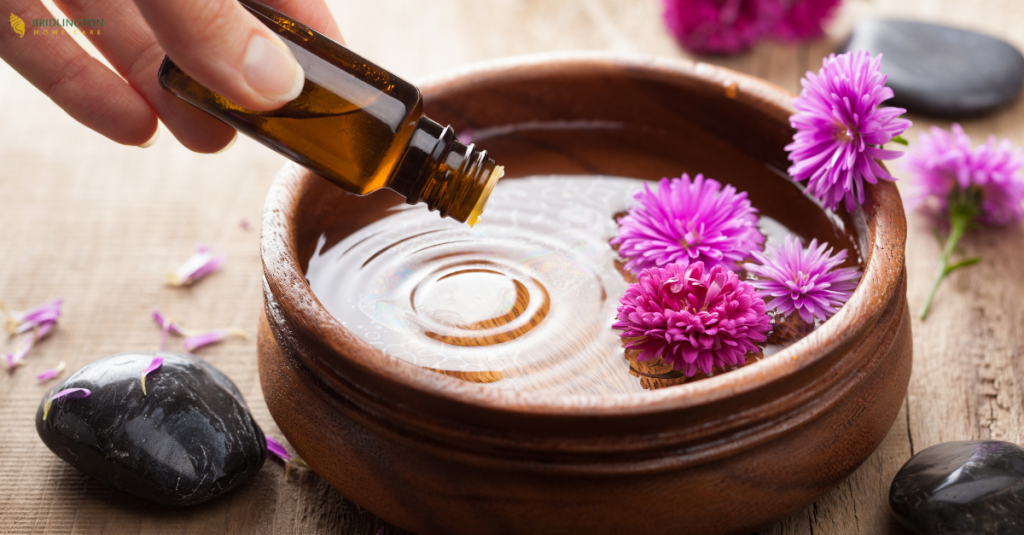
Diffusers for Communal Areas
Ultrasonic diffusers are the perfect way to spread the calming effects of essential oils throughout shared spaces like lounges and dining areas. Diffusing lavender or chamomile can create a an environment where residents feel at ease during social interactions or mealtimes.
Personalized Aromatherapy
Each residents needs and preferences are unique. By tailoring aromatherapy sessions to individual requirements care homes can maximize the therapeutic benefits. For example a resident struggling with arthritis might benefit from a topical application of eucalyptus oil, while another with sleep issues might appreciate lavender-infused pillow sprays.
Aromatherapy Workshops
Engaging residents in workshops where they can learn about and experience various essential oils not only educates but also fosters a sense of community. These sessions can be both therapeutic and enjoyable, encouraging residents to take an active role in their well-being.
Integration into massage therapies
Aromatherapy massages are a powerful combination of touch and scent that can alleviate both physical and emotional discomfort. Using oils like ginger for pain relief or lavender for relaxation can enhance the effectiveness of massage therapy.
Calming Bath Rituals
Adding essential oils to warm baths is a simple yet effective way to promote relaxation and soothe sore muscles. Bathing with oils like sandalwood or geranium can turn a routine activity into a therapeutic experience.
Specialized Training for Staff
Staff trained in aromatherapy can better understand how to safely and effectively use essential oils. Proper training ensures that oils are correctly diluted, applied, and tailored to the specific needs of residents.
Safety and Consideration for Aromatherapy in Care Homes
While aromatherapy is generally safe, it is essential to follow certain guidelines to ensure the well-being of residents. Consider the quality of the oils, proper dilution to avoid skin irritation, patch test and overexposure of the oil. A advice from medical professionals is also takes into concern.
When searching for a care home, families often look for facilities that go beyond basic care to provide a holistic approach to well-being. Aromatherapy aligns perfectly with this goal, offering a range of physical, emotional and cognitive benefits.

If you’re considering a care home for a loved one, it’s worth inquiring about their use of complementary therapies like aromatherapy. Ask about the types of essential oils they use, how they integrate them into daily routines and whether staff getting proper training in this practice. A care home that embraces such therapies is likely to prioritize the overall well-being of its residents.
When integrated thoughtfully, aromatherapy can turn a care home into a sanctuary of comfort, healing and happiness. Whether you’re a family member exploring options or a care provider looking to innovate, embracing aromatherapy can make a lasting difference in the lives of elderly residents.