

It is a unique form of care specially made to meet the needs of individuals living with memory related conditions such as Alzheimer’s disease dementia and other cognitive impairments. The demand of memory care services increase day by day. This blog explores what memory care entails, its benefits and how families can choose the right facility for their loved ones.
WHAT IS MEMORY CARE ?
It means structured environment designed to support individuals with memory loss. This is not like general elder care,it provides specialized programs, environments and staff trained to handle cognitive decline. It focuses on safety, mental stimulation and maintaining quality of life. A dedicated wing that offer a care home or as a standalone facility, memory care units emphasize secure living, sensory engagement and a supportive community to prevent feelings of isolation and confusion.
THE GROWING NEED FOR MEMORY CARE
According to the World Health Organization (WHO), over 55 million people worldwide live with dementia, with nearly 10 million new cases annually. The rising numbers highlight the urgency of developing effective care solutions. It not only helps those with memory loss but also supports their families by easing the caregiving burden.
KEY FEATURES OF MEMORY CARE
PERSONALIZED CARE PLANS
Memory care facilities develop individualized care plans to address each resident’s unique needs. These plans consider the severity of cognitive impairment, physical health and personal preferences.
HIGHLY TRAINED STAFF
The staff in memory care units undergo specialized training to manage dementia symptoms like agitation, confusion and memory lapses. They are highly skilful in techniques to calm residents, encourage participation in activities and handle challenging behaviours compassionately.
SAFE AND STRUCTURED ENVIRONMENT
The design of memory care is to facilities the preventions of wandering and enhance safety. Features such as secured entrances, monitored exits and dementia-friendly layouts ensure that residents are protected without feeling confined.
THERAPEUTIC ACTIVITIES
Activities such as music therapy, reminiscence therapy and art therapy are central to memory care. These programs stimulate cognitive function, boost mood and foster social interaction.
FAMILY SUPPORT AND INVOLVEMENT
Many dementia care programs encourage family involvement, offering regular updates, family counselling sessions and resources to help relatives understand dementia better.
BENEFITS OF MEMORY CARE
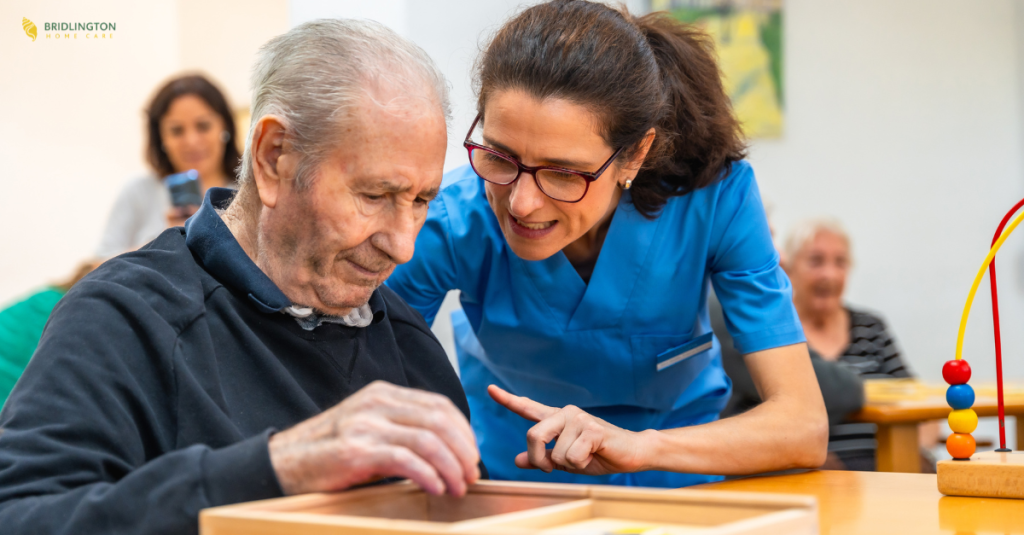
IMPROVED QUALITY OF LIFE: It facilities provide a sense of routine and familiarity, which can reduce anxiety and confusion in residents. Structured daily schedules help residents feel more secure and engaged.
ENHANCED SAFETY: With 24/7 supervision and secure environments, it minimizes risks such as falls, wandering and accidental injuries.
SPECIALIZED HEALTHCARE: Regular monitoring and tailored medical care ensure that residents’ physical and mental health needs are met effectively.
SOCIAL CONNECTION: Living in a memory care community allows residents to interact with peers, reducing feelings of loneliness and isolation.
SUPPORT FOR FAMILIES: It offers respite to family caregivers, enabling them to focus on their well-being while ensuring their loved one is in safe hands.
WHEN TO CONSIDER MEMORY CARE
Determining when it is necessary can be challenging. Some signs that indicate a need for specialized care include:
- Frequent episodes of confusion or disorientation.
- Increased wandering or unsafe behaviour.
- Difficulty managing daily tasks such as cooking, bathing, or medication.
- Behavioural changes like aggression or agitation.
- Overwhelming stress or burnout experienced by family caregivers.
Early intervention is important, as it allows the individual to transition to memory care while still able to adapt to the new environment.
CHOOSING THE RIGHT MEMORY CARE FACILITY
Choosing the right facility include detailed research and consideration of your loved one’s needs. Here are some factors to evaluate.
STAFF QUALIFICATIONS AND TRAINING
Inquire about staff to resident ratio and the specific training caregivers receive. Skilled staff make a significant difference in the quality of care provided.
FACILITY DESIGN
Look for dementia-friendly layouts with clear signage, safe walking paths and accessible communal areas. Natural lighting and calming colour schemes can also enhance comfort.
RANGE OF ACTIVITIES
A good memory care facility offers diverse programs to stimulate cognitive, physical and emotional well-being.
HEALTHCARE SERVICES
Ensure the facility has access to medical professionals, including on-site nurses and partnerships with nearby hospitals.
FAMILY INVOLVEMENT
Facilities that prioritize family communication and involvement demonstrate a commitment to holistic care.
COST AND FINANCIAL OPTIONS
Memory care can be expensive. Explore payment options, including insurance coverage, long-term care policies and government assistance programs.
MEMORY CARE VS. OTHER TYPES OF SENIOR CARE
Memory care is far different from other form of senior care such as assisted living and nursing homes. Assisted living focuses on helping the residents with daily tasks and nursing homes cater to complex medical needs but memory care is specifically designed for cognitive impairments. The specialized approach in memory care addresses the unique challenges posed by conditions like Alzheimer’s, providing tailored support and a safer environment.
MEMORY CARE AND PALLIATIVE CARE A HOLISTIC APPROACH
In the later stages of dementia, integrating memory care with palliative care ensures a compassionate approach to managing symptoms and enhancing comfort. Palliative care focuses on pain relief, emotional support and quality of life, aligning well with the goals of memory care.
TIPS FOR FAMILIES TRANSITIONING TO MEMORY CARE
Moving a loved one into dementia care can be an emotional journey. Here are some tips to ease the process.
INVOLVE YOUR LOVED ONE: If possible, include your loved one in the decision-making process to help them feel more in control.
PERSONALIZE THEIR SPACE: Decorate their room with familiar items, photographs and personal belongings to create a sense of home.
COMMUNICATE WITH STAFF: Share your loved one’s preferences, routines and history with caregivers to ensure personalized care.
STAY CONNECTED: Visit regularly and participate in family events at the facility to maintain a strong bond with your loved one.
SEEK SUPPORT: Joining a caregiver support group can provide emotional solace and practical advice from others in similar situations.

Memory care plays a vital role in supporting individuals with cognitive impairments and their families. By providing specialized environments, trained staff and engaging programs,It facilities ensure that residents live with dignity and comfort. For families, finding the right dementia care option is a significant step toward securing a better future for their loved ones. If you’re considering dementia care for your family member, explore local facilities, ask questions and prioritize their specific needs to make an informed decision.