
Aging is often perceived as a gradual decline in health, independence and productivity. This conventional view has overshadowed the potential that lies in the later stages of life. Enter Active Aging Theory is a groundbreaking approach that seeks to transform how society views aging. Developed by the World Health Organization (WHO), this theory emphasizes that aging can be a positive experience filled with health, engagement and fulfillment. By focusing on optimizing opportunities for physical, mental and social well-being, active aging enables individuals to continue contributing meaningfully to their communities and families.
In this blog, we’ll delve into the origins and principles of Active Aging Theory, its dimensions, benefits and how individuals and societies can embrace its transformative power.
UNDERSTANDING ACTIVE AGING THEORY
The World Health Organization (WHO) introduced Active Aging Theory in 2002 as part of its effort to address the challenges posed by global aging. With advancements in healthcare and living conditions, people are living longer than ever before. While this is a triumph of human progress, it also presents challenges ranging from healthcare costs to societal attitudes toward older adults.
Active Aging Theory shifts the narrative, promoting the idea that aging does not equate to dependence or decline. Instead, it sees older adults as vital, active contributors to their families, communities and the economy.
The WHO defines active aging as “the process of optimizing opportunities for health, participation and security to enhance quality of life as people age.” This definition underscores the importance of empowerment, equity and inclusivity. Active aging is not only for the wealthy or physically fit—it is a universal goal that applies to individuals across all socioeconomic levels and abilities.
THE PILLARS OF ACTIVE AGING
Active Aging Theory is built on several interrelated dimensions that contribute to overall well-being:

HEALTH AND WELLNESS
Health is the foundation of active aging. Without it, maintaining independence and engaging in society becomes difficult. Key components include:
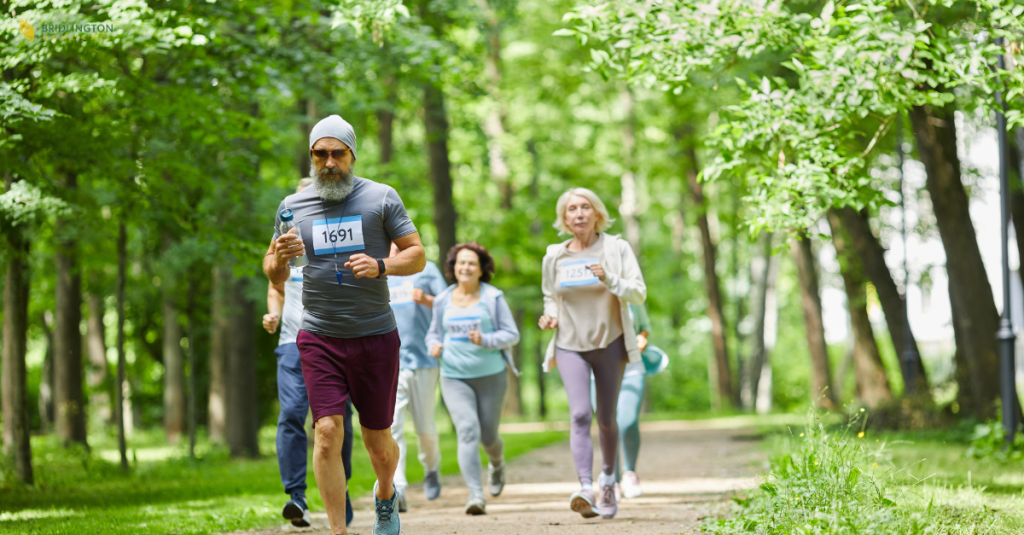
Physical Activity: Regular exercise tailored to individual needs helps maintain strength, flexibility and cardiovascular health. Activities like walking, yoga or swimming are excellent options for older adults.
Preventive Healthcare: Routine screenings, vaccinations and early interventions for chronic conditions can significantly improve quality of life.
Nutrition: A balanced diet rich in nutrients supports physical and mental health while managing conditions like diabetes, heart disease or osteoporosis.
SOCIAL PARTICIPATION
Social connections are essential for emotional and mental well-being. Isolation and loneliness, common among older adults, can lead to depression and cognitive decline. Active aging emphasizes:
Strong Relationships: Maintaining bonds with family and friends reduces feelings of isolation.
Community Involvement: Joining clubs, volunteering or participating in local events fosters a sense of belonging.
Intergenerational Engagement: Older adults can mentor younger generations, bridging age gaps and sharing valuable life lessons.
LIFELONG LEARNING
Learning doesn’t stop with age. Intellectual stimulation is vital for cognitive health, helping to prevent conditions like dementia. Older adults are encouraged to:
- Pursue hobbies such as painting, gardening or playing musical instruments.
- Enroll in educational programs or online courses to acquire new skills.
- Stay informed and adapt to modern technology, which can open up new avenues for connection and productivity.
ECONOMIC AND ENVIRONMENTAL SECURITY
Feeling secure is crucial for aging actively. This includes having access to financial resources, stable housing and age-friendly environments. The theory highlights:
Economic Stability: Policies that ensure access to pensions, healthcare and affordable living options.
Safe Environments: Urban planning that incorporates ramps, public transportation and safe recreational spaces to support mobility and independence.
THE BENEFITS OF ACTIVE AGING
Active Aging Theory provides benefits not only to individuals but also to families and society as a whole.

FOR INDIVIDUALS
Improved Health: Regular physical activity and preventive care reduce the risk of chronic illnesses and enhance overall well-being.
Cognitive Resilience: Lifelong learning and engagement improve memory, attention and problem-solving skills.
Emotional Fulfillment: Social connections and purposeful living contribute to greater happiness and lower rates of depression.
Longevity: A balanced lifestyle often leads to longer, healthier lives. Active older adults can play a significant role in family dynamics—acting as caregivers, mentors or emotional support systems. Their independence reduces the burden on younger family members who might otherwise provide extensive care.
FOR SOCIETY
An engaged older population contributes to the economy through volunteerism, mentorship and even continued employment. Active aging reduces healthcare costs by preventing illnesses and promoting self-care. It challenges ageist stereotypes, fostering a more inclusive society.
CHALLENGES TO ACTIVE AGING
While the benefits of active aging are clear, achieving it is not without challenges. Some common barriers include:
HEALTH INEQUALITIES
Not all individuals have equal access to healthcare, nutritious food or fitness programs. Chronic conditions, disabilities or financial constraints can hinder participation.
SOCIAL ISOLATION
Factors such as living alone, mobility issues or lack of transportation can leave older adults disconnected from their communities.
ECONOMIC BARRIERS
Retirement often brings financial insecurity. Older adults with limited savings may struggle to afford housing, healthcare or recreational activities.
AGEISM
Negative societal attitudes about aging can discourage older adults from pursuing opportunities or participating fully in life.
HOW TO PROMOTE ACTIVE AGING
To overcome these barriers, both individuals and communities must take proactive steps:
FOR INDIVIDUALS
Stay Physically Active: Incorporate exercises into daily routines, even if it’s just a 20-minute walk.
Build Social Connections: Reach out to friends, join clubs or volunteer in the community.
Pursue Education: Try a new hobby, take online courses or read widely to stimulate the mind.
Adapt and Thrive: Embrace changes in health or circumstances with resilience, seeking support when needed.
FOR COMMUNITIES AND GOVERNMENTS
Create Age-Friendly Environments: Urban planning should include accessible infrastructure, public spaces and transportation.
Invest in Programs: Provide affordable fitness classes, healthcare screenings and community centers tailored for older adults.
Tackle Ageism: Promote positive images of aging through media, education and policy changes.
Support Financial Security: Strengthen pension systems and create employment opportunities for older adults.
Active Aging Theory provides a hopeful and empowering vision for the future of aging. It challenges individuals to see aging not as a limitation but as an opportunity for growth, learning and contribution. At the same time, it calls on societies to invest in creating environments and policies that enable older adults to thrive.
Aging is a natural part of life, but how we approach it can make all the difference. By embracing active aging, we can ensure that later life is not just about adding years to life, but life to years.